Sport as a Lifestyle, Not Just a Competition
Sport is often associated with stadiums, medals, trophies, and moments of victory. For many people, the first image that comes to mind is professional athletes competing at the highest level, pushing their bodies and minds to the limit. Yet sport is much more than organized competition. It is a way of life, a daily practice, and a mindset that can influence how people move, think, and connect with the world around them. In modern society, sport has become one of the most powerful symbols of an active lifestyle.
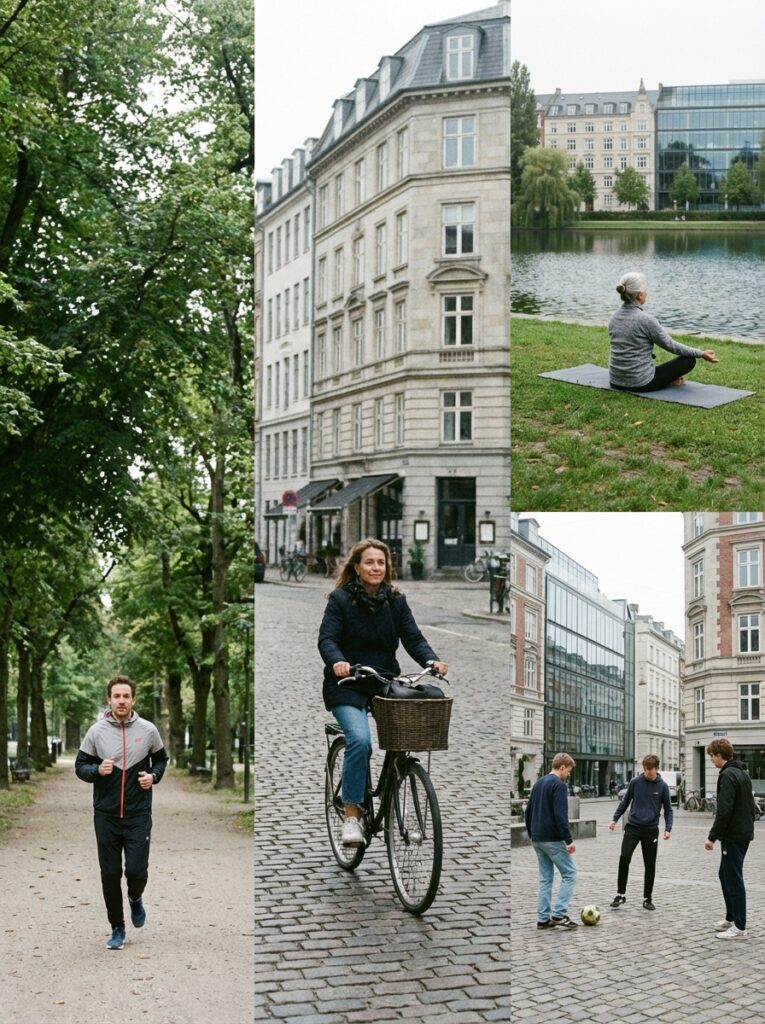
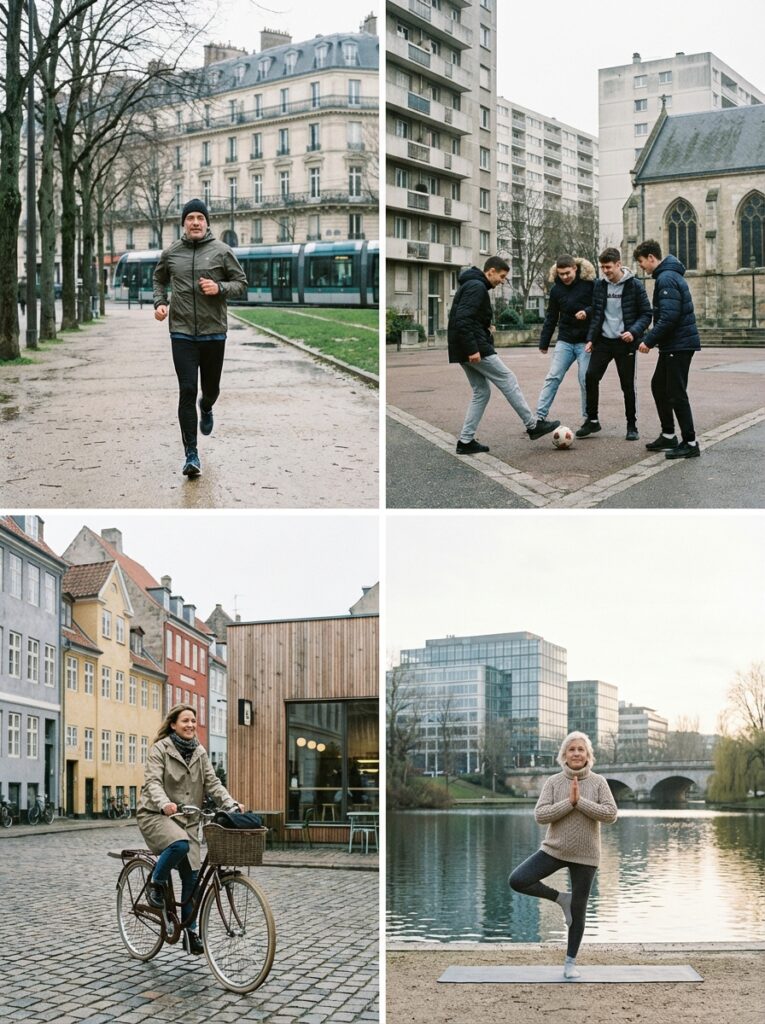
At its core, sport encourages movement. In a time when many people spend hours sitting at desks, in cars, or in front of screens, regular physical activity has become more important than ever. Sport offers an enjoyable and meaningful reason to move. Whether it is running in the park, cycling through the city, swimming laps after work, or joining a casual football match on the weekend, sport transforms exercise into something dynamic and rewarding. It gives structure to physical activity and helps people stay motivated over time.
One of the most valuable aspects of sport is its ability to improve physical health. Regular participation in sports can strengthen the heart, improve endurance, build muscles, and enhance flexibility. It also supports better balance, coordination, and body awareness. These benefits are not limited to professional athletes. A person who plays tennis twice a week, practices yoga consistently, or jogs every morning can experience real improvements in health and energy. Over time, sport can reduce the risk of lifestyle-related conditions such as obesity, high blood pressure, and chronic fatigue.
But physical health is only part of the story. Sport also plays a major role in mental well-being. In recent years, more attention has been given to the connection between movement and emotional health. Exercise is known to reduce stress, improve mood, and help people manage anxiety. Sport, in particular, offers something special because it combines movement with focus, challenge, and enjoyment. When someone is playing basketball, practicing martial arts, or training for a race, their mind becomes fully engaged in the moment. This kind of concentration can provide relief from daily worries and create a strong sense of mental clarity.
Another important benefit of sport is discipline. Every form of athletic activity requires some level of commitment. Progress does not happen overnight. Whether someone wants to improve their stamina, learn a new skill, or simply become more consistent, they must show up again and again. This process teaches patience and resilience. It shows people that growth comes through regular effort, not instant results. These lessons often carry over into other parts of life, including work, school, and personal relationships.
Sport also has a remarkable ability to build confidence. When people challenge themselves physically and begin to improve, they often discover strengths they did not know they had. A beginner who once struggled to run for five minutes may eventually complete a 10-kilometer race. A child who feels shy in everyday life may become more confident after joining a volleyball team. An adult who never thought of themselves as athletic may find joy and pride in learning how to hike, dance, or row. These experiences change more than the body. They reshape self-image.
Beyond personal growth, sport creates community. It brings people together across age, culture, and background. A local sports club, fitness class, or neighborhood tournament can become a place of friendship and mutual support. Team sports are especially powerful in this way because they teach communication, trust, and shared responsibility. Players learn that success depends not only on individual talent but also on cooperation. Even in individual sports, there is often a strong sense of belonging among those who train together and encourage each other.
This social dimension is one reason sport continues to thrive in cities, schools, and communities around the world. It offers connection in a world that can sometimes feel isolating. A group run at sunrise, a weekend badminton match, or a community cycling event can create bonds that go far beyond the activity itself. In many cases, sport becomes a common language between people who might otherwise have little in common.
The influence of sport is especially important for young people. Children and teenagers who participate in sports often learn valuable life skills early on. They learn how to follow rules, respect opponents, accept wins and losses, and keep improving after setbacks. These lessons are not always easy, but they are essential. Sport teaches that losing is not the end of the journey. It is part of learning. This idea can help young people develop a healthier attitude toward failure and effort.
At the same time, the modern idea of sport is changing. It is becoming more inclusive and flexible. In the past, many people believed sport was only for the naturally gifted or highly competitive. Today, that attitude is shifting. More people now understand that there is no single way to be active. Sport can be competitive, but it can also be playful, relaxing, social, or deeply personal. Someone may love intense training sessions, while another person prefers recreational swimming or long-distance walking. Both are valid expressions of an active lifestyle.
Technology has also shaped modern sport culture. Fitness apps, smartwatches, online coaching, and social media communities have made it easier for people to track progress and stay inspired. At the same time, there is a growing movement back toward simplicity: running without pressure, exercising outdoors, and choosing movement for joy rather than performance alone. This balance between innovation and authenticity reflects the wider evolution of sport in everyday life.
The stories that emerge from sport are often the most inspiring part of all. These are not only stories of famous champions. They are also stories of ordinary people who use sport to rebuild their lives, recover from hardship, or rediscover purpose. A person recovering from illness may find strength through gentle training. Someone facing burnout may regain balance through regular exercise. A community divided by differences may come together through a shared match or event. These moments remind us that sport is not only about speed, strength, or skill. It is about human spirit.
In the end, sport is far more than an activity. It is a powerful expression of energy, resilience, and hope. It encourages people to care for their bodies, sharpen their minds, and connect with others. It proves that movement can be meaningful and that an active life can be built step by step, no matter one’s age or starting point. When sport is seen not only as competition but also as lifestyle, it becomes accessible to everyone. And that is perhaps its greatest strength: it invites all of us to move forward.