In today’s rapidly evolving society, the concept of “lifestyle” has expanded far beyond material comfort or outward appearances. It now reflects how individuals structure their daily lives, make choices, and create meaning through routines, environments, and personal values. A modern lifestyle is increasingly defined by balance—the ability to harmonize work, family, personal interests, and well-being in a sustainable and fulfilling way.
This article explores how people can shape a more balanced lifestyle through practical habits, intentional choices, and thoughtful design of their everyday experiences. Rather than focusing on perfection or trends alone, the goal is to highlight realistic approaches that can improve quality of life over time.
The Meaning of a Modern Lifestyle
A modern lifestyle is not a fixed formula. It varies depending on personal goals, cultural context, and life stage. However, one common theme stands out: the desire for balance.
People today are more aware of how their daily routines affect their physical health, mental clarity, and overall satisfaction. As a result, lifestyle choices are becoming more intentional. Instead of simply reacting to demands, individuals are learning to design their days in ways that align with their priorities.
This shift includes:
- Choosing meaningful work over constant busyness
- Valuing time and energy as much as financial success
- Seeking simplicity in a world full of distractions
Everyday Convenience: Small Changes That Matter
Convenience plays a major role in shaping daily life. However, convenience does not necessarily mean complexity or dependency on technology. Often, it comes from simplifying routines and reducing unnecessary friction.
Some practical ways to improve daily convenience include:
- Organizing living spaces to save time and effort
- Planning meals or schedules in advance
- Using tools or systems that reduce repetitive tasks
For example, preparing a weekly plan for meals or tasks can reduce decision fatigue. Similarly, keeping frequently used items within easy reach can streamline daily routines.
These small adjustments may seem minor, but they contribute significantly to a smoother and less stressful lifestyle.
Living Spaces: Creating Environments That Support Well-Being
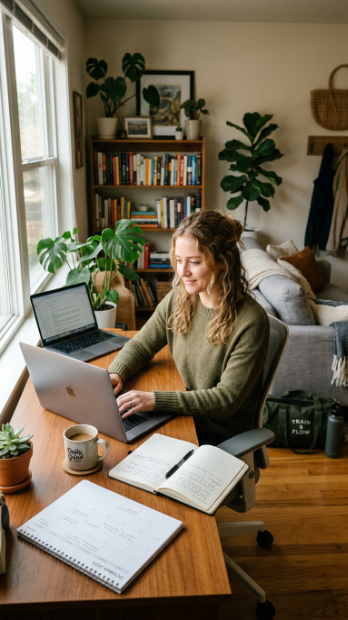
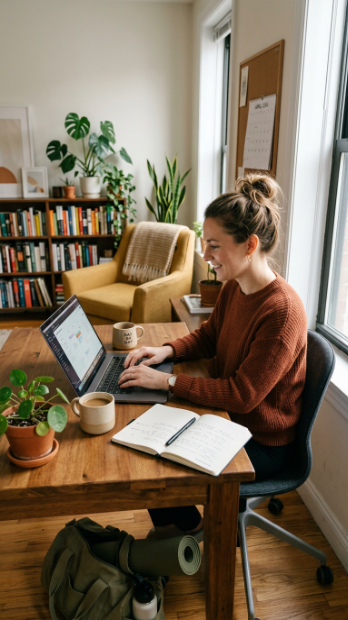
The spaces we live in have a powerful influence on how we feel and function. A well-designed environment can promote relaxation, focus, and creativity.
Modern living spaces are increasingly designed with intention. This does not require large budgets or dramatic changes. Instead, it involves thoughtful use of available space.
Key elements of a supportive living environment include:
- Natural light: Enhances mood and productivity
- Clean and organized layouts: Reduce stress and improve focus
- Comfortable furniture: Supports physical well-being
- Personal touches: Reflect identity and create emotional connection
Even small changes—such as decluttering a desk or adding plants—can transform how a space feels and functions.
Personal Habits: The Building Blocks of Lifestyle
A lifestyle is ultimately shaped by daily habits. These habits, repeated over time, define routines and influence long-term outcomes.
Positive habits do not need to be complex. In fact, the most effective ones are often simple and consistent.
Examples include:
- Starting the day with a clear plan or intention
- Taking regular breaks during work
- Limiting distractions such as excessive screen time
- Setting aside time for reflection or relaxation
Building habits requires patience and consistency. It is often more effective to introduce one small habit at a time rather than attempting a complete overhaul.
Consumer Trends: Making Thoughtful Choices
Modern consumers are increasingly mindful of how their purchases affect their lifestyle and the environment. Rather than focusing solely on quantity, many people are prioritizing quality, functionality, and sustainability.
This shift is reflected in trends such as:
- Choosing durable, long-lasting products
- Supporting brands with transparent practices
- Reducing unnecessary consumption
Thoughtful consumption is not about restriction—it is about making choices that align with personal values and enhance daily life.
For instance, investing in a well-made item that lasts longer can be more beneficial than frequently replacing cheaper alternatives. This approach not only saves money over time but also reduces waste.
Time Management: Structuring the Day Effectively
Time is one of the most valuable resources in modern life. Managing it effectively is essential for maintaining balance between responsibilities and personal interests.
A structured yet flexible schedule can help individuals stay productive while avoiding burnout.
Some useful strategies include:
- Prioritizing tasks based on importance, not urgency
- Breaking large tasks into smaller, manageable steps
- Allocating time for rest and leisure
Importantly, a good schedule should reflect personal priorities. It should include not only work-related tasks but also time for family, hobbies, and self-care.
Enhancing Life Experience: Beyond Productivity
While productivity is important, a fulfilling lifestyle also includes moments of enjoyment and personal growth. Enhancing life experience means paying attention to how daily activities feel, not just what they accomplish.
This can involve:
- Exploring hobbies or creative interests
- Traveling or discovering new environments
- Engaging in meaningful conversations
- Practicing gratitude and mindfulness
These experiences add depth and richness to everyday life. They remind individuals that lifestyle is not just about efficiency—it is also about enjoyment and connection.
Balancing Work, Family, and Personal Interests
One of the most common challenges in modern life is balancing multiple responsibilities. Work demands, family commitments, and personal goals often compete for time and attention.
Achieving balance does not mean giving equal time to everything. Instead, it involves making conscious decisions about what matters most at any given moment.
Some practical approaches include:
- Setting clear boundaries between work and personal time
- Communicating expectations with family or colleagues
- Being flexible and adapting to changing circumstances
Balance is not static—it evolves over time. What works in one phase of life may need adjustment in another.
The Role of Mindset
A balanced lifestyle is not only shaped by external factors but also by internal mindset. How individuals perceive their routines and challenges can influence their overall satisfaction.
A positive and adaptable mindset can help:
- Reduce stress in difficult situations
- Encourage continuous improvement
- Support resilience and motivation
Rather than striving for perfection, focusing on progress can lead to more sustainable and satisfying outcomes.
Technology and Modern Living
Technology plays a significant role in shaping modern lifestyles. It offers convenience and connectivity but can also lead to distraction and overload if not used mindfully.
To maintain balance, it is helpful to:
- Set boundaries for screen time
- Use technology as a tool, not a constant presence
- Create moments of disconnection throughout the day
By using technology intentionally, individuals can benefit from its advantages without compromising their well-being.
Conclusion
A modern lifestyle is a reflection of daily choices, habits, and priorities. By focusing on convenience, thoughtful consumption, supportive environments, and balanced time management, individuals can create a life that feels both productive and fulfilling.
The key is not to follow a rigid formula, but to develop a system that works in real life—one that adapts to personal needs and evolves over time.
Ultimately, a balanced lifestyle is about harmony: aligning work, relationships, and personal interests in a way that supports long-term well-being and satisfaction.
Lifestyle: Designing a Balanced Life in a Fast-Moving World
In today’s rapidly evolving society, the concept of “lifestyle” has expanded far beyond material comfort or outward appearances. It now reflects how individuals structure their daily lives, make choices, and create meaning through routines, environments, and personal values. A modern lifestyle is increasingly defined by balance—the ability to harmonize work, family, personal interests, and well-being in a sustainable and fulfilling way.
This article explores how people can shape a more balanced lifestyle through practical habits, intentional choices, and thoughtful design of their everyday experiences. Rather than focusing on perfection or trends alone, the goal is to highlight realistic approaches that can improve quality of life over time.
The Meaning of a Modern Lifestyle
A modern lifestyle is not a fixed formula. It varies depending on personal goals, cultural context, and life stage. However, one common theme stands out: the desire for balance.
People today are more aware of how their daily routines affect their physical health, mental clarity, and overall satisfaction. As a result, lifestyle choices are becoming more intentional. Instead of simply reacting to demands, individuals are learning to design their days in ways that align with their priorities.
This shift includes:
- Choosing meaningful work over constant busyness
- Valuing time and energy as much as financial success
- Seeking simplicity in a world full of distractions
Everyday Convenience: Small Changes That Matter
Convenience plays a major role in shaping daily life. However, convenience does not necessarily mean complexity or dependency on technology. Often, it comes from simplifying routines and reducing unnecessary friction.
Some practical ways to improve daily convenience include:
- Organizing living spaces to save time and effort
- Planning meals or schedules in advance
- Using tools or systems that reduce repetitive tasks
For example, preparing a weekly plan for meals or tasks can reduce decision fatigue. Similarly, keeping frequently used items within easy reach can streamline daily routines.
These small adjustments may seem minor, but they contribute significantly to a smoother and less stressful lifestyle.
Living Spaces: Creating Environments That Support Well-Being
The spaces we live in have a powerful influence on how we feel and function. A well-designed environment can promote relaxation, focus, and creativity.
Modern living spaces are increasingly designed with intention. This does not require large budgets or dramatic changes. Instead, it involves thoughtful use of available space.
Key elements of a supportive living environment include:
- Natural light: Enhances mood and productivity
- Clean and organized layouts: Reduce stress and improve focus
- Comfortable furniture: Supports physical well-being
- Personal touches: Reflect identity and create emotional connection
Even small changes—such as decluttering a desk or adding plants—can transform how a space feels and functions.
Personal Habits: The Building Blocks of Lifestyle
A lifestyle is ultimately shaped by daily habits. These habits, repeated over time, define routines and influence long-term outcomes.
Positive habits do not need to be complex. In fact, the most effective ones are often simple and consistent.
Examples include:
- Starting the day with a clear plan or intention
- Taking regular breaks during work
- Limiting distractions such as excessive screen time
- Setting aside time for reflection or relaxation
Building habits requires patience and consistency. It is often more effective to introduce one small habit at a time rather than attempting a complete overhaul.
Consumer Trends: Making Thoughtful Choices
Modern consumers are increasingly mindful of how their purchases affect their lifestyle and the environment. Rather than focusing solely on quantity, many people are prioritizing quality, functionality, and sustainability.
This shift is reflected in trends such as:
- Choosing durable, long-lasting products
- Supporting brands with transparent practices
- Reducing unnecessary consumption
Thoughtful consumption is not about restriction—it is about making choices that align with personal values and enhance daily life.
For instance, investing in a well-made item that lasts longer can be more beneficial than frequently replacing cheaper alternatives. This approach not only saves money over time but also reduces waste.
Time Management: Structuring the Day Effectively
Time is one of the most valuable resources in modern life. Managing it effectively is essential for maintaining balance between responsibilities and personal interests.
A structured yet flexible schedule can help individuals stay productive while avoiding burnout.
Some useful strategies include:
- Prioritizing tasks based on importance, not urgency
- Breaking large tasks into smaller, manageable steps
- Allocating time for rest and leisure
Importantly, a good schedule should reflect personal priorities. It should include not only work-related tasks but also time for family, hobbies, and self-care.
Enhancing Life Experience: Beyond Productivity
While productivity is important, a fulfilling lifestyle also includes moments of enjoyment and personal growth. Enhancing life experience means paying attention to how daily activities feel, not just what they accomplish.
This can involve:
- Exploring hobbies or creative interests
- Traveling or discovering new environments
- Engaging in meaningful conversations
- Practicing gratitude and mindfulness
These experiences add depth and richness to everyday life. They remind individuals that lifestyle is not just about efficiency—it is also about enjoyment and connection.
Balancing Work, Family, and Personal Interests
One of the most common challenges in modern life is balancing multiple responsibilities. Work demands, family commitments, and personal goals often compete for time and attention.
Achieving balance does not mean giving equal time to everything. Instead, it involves making conscious decisions about what matters most at any given moment.
Some practical approaches include:
- Setting clear boundaries between work and personal time
- Communicating expectations with family or colleagues
- Being flexible and adapting to changing circumstances
Balance is not static—it evolves over time. What works in one phase of life may need adjustment in another.
The Role of Mindset
A balanced lifestyle is not only shaped by external factors but also by internal mindset. How individuals perceive their routines and challenges can influence their overall satisfaction.
A positive and adaptable mindset can help:
- Reduce stress in difficult situations
- Encourage continuous improvement
- Support resilience and motivation
Rather than striving for perfection, focusing on progress can lead to more sustainable and satisfying outcomes.
Technology and Modern Living
Technology plays a significant role in shaping modern lifestyles. It offers convenience and connectivity but can also lead to distraction and overload if not used mindfully.
To maintain balance, it is helpful to:
- Set boundaries for screen time
- Use technology as a tool, not a constant presence
- Create moments of disconnection throughout the day
By using technology intentionally, individuals can benefit from its advantages without compromising their well-being.
Conclusion
A modern lifestyle is a reflection of daily choices, habits, and priorities. By focusing on convenience, thoughtful consumption, supportive environments, and balanced time management, individuals can create a life that feels both productive and fulfilling.
The key is not to follow a rigid formula, but to develop a system that works in real life—one that adapts to personal needs and evolves over time.
Ultimately, a balanced lifestyle is about harmony: aligning work, relationships, and personal interests in a way that supports long-term well-being and satisfaction.