Modern lifestyle is often described through images of speed: full calendars, endless notifications, quick meals, rushed errands, and the pressure to perform well in every area of life at the same time. Yet for many people, the true aspiration of modern living is not simply to do more. It is to live better. A good lifestyle today is increasingly defined by balance, intention, and the ability to create a daily rhythm that supports work, family, rest, and personal interests without making life feel mechanical or overwhelming.
Lifestyle, in its most meaningful sense, is not about luxury or appearance alone. It is about the small and repeated choices that shape how people experience ordinary days. The way a home is arranged, the way mornings begin, the way meals are planned, the way time is protected, and even the way people choose what to buy all contribute to a broader sense of quality of life. A balanced lifestyle does not need to be expensive or highly curated. It needs to feel practical, supportive, and sustainable.
One of the clearest changes in modern life is that people are paying more attention to convenience—but not the shallow kind. True convenience is not just about speed. It is about reducing unnecessary friction in everyday routines. A well-organized kitchen, a work bag prepared the night before, clothes selected in advance, or a grocery list that prevents repeated last-minute shopping trips can all save energy that would otherwise be lost to small decisions. These systems may seem minor, but together they create breathing room. When daily life runs more smoothly, people often feel calmer and more present.
This is one reason lifestyle content has become so relevant. Many adults are no longer searching only for grand advice about success or productivity. They are looking for ways to make life feel more manageable and enjoyable. The rise of interest in home organization, meal preparation, time blocking, digital decluttering, and mindful consumption reflects a larger desire: to live with less chaos and more clarity. In a world full of demands, a thoughtful routine can become a form of personal stability.
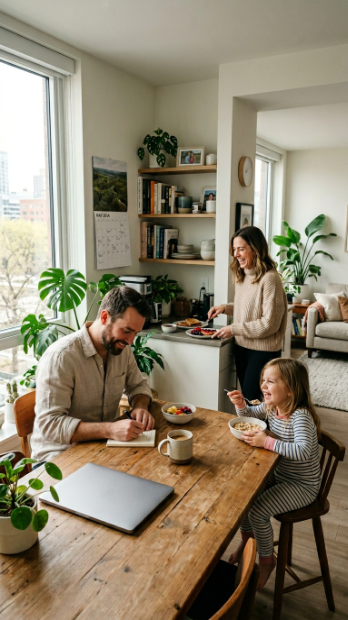
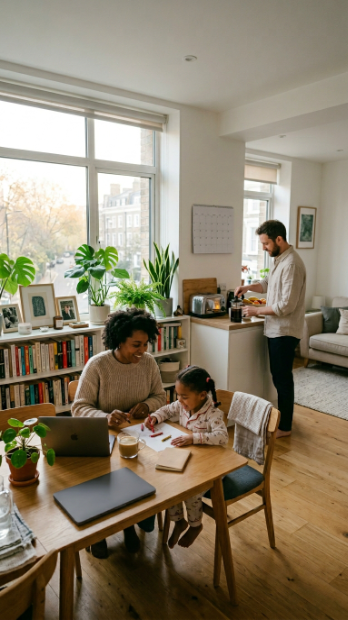
The home plays a central role in this shift. It is no longer seen only as a place to return to after work. For many, it is also a workspace, a place of recovery, a social space, and a setting for personal hobbies. As a result, the quality of one’s living environment matters more than ever. A comfortable home does not require a perfect design style or expensive furniture. Often, what matters most is whether the space supports daily life well. Good lighting, a clean and usable table, storage that reduces clutter, a quiet corner for reading, and small touches of personality can transform a space from purely functional into genuinely restorative.
The appeal of a well-designed living space is not only visual. It is emotional. A room that feels calm can influence the mood of the people inside it. A tidy entrance can make coming home feel lighter. A dining area that invites conversation can encourage more meaningful time with family. Even simple habits, such as opening windows in the morning, keeping surfaces clear, or adding plants to a room, can subtly improve the atmosphere of a home. Lifestyle, then, is not separate from environment. It is shaped by it.
At the same time, personal habits remain at the core of balanced living. The most effective lifestyle habits are rarely dramatic. They do not need to look impressive on social media. In fact, the habits that improve life most reliably are often quiet and repeatable: waking up at a consistent time, drinking water early in the day, preparing a simple breakfast, reviewing the day’s priorities, walking after dinner, limiting unnecessary screen time, and ending the evening with a calmer routine. These actions are not trendy because they are new. They are valuable because they work.
One challenge of modern lifestyle culture is that it can sometimes turn ordinary improvement into pressure. People are shown idealized routines, immaculate homes, and highly optimized schedules that may not reflect the realities of work, parenting, limited budgets, or personal fatigue. This creates a false standard. A good lifestyle is not one that looks flawless from the outside. It is one that genuinely supports the person living it. That may mean choosing simple meals over elaborate recipes, setting realistic exercise goals instead of extreme plans, or allowing rest without guilt. Practical living is more sustainable than performative living.
Consumer choices also play a major part in today’s lifestyle conversation. More people are asking not only what they can buy, but why they are buying it. This shift has influenced everything from clothing and home goods to food delivery, digital subscriptions, and beauty products. A thoughtful lifestyle includes awareness of consumption patterns. Convenience can be useful, but constant consumption does not automatically create comfort or happiness. In many cases, buying fewer and choosing more carefully leads to greater satisfaction than continually chasing the newest option.
This does not mean rejecting trends entirely. Trends can introduce useful ideas, better products, and creative inspiration. But a healthy lifestyle approach places trends in context. The key question is whether a product or habit improves life in a meaningful way. Does it save time? Does it reduce stress? Does it last? Does it match actual needs? Modern consumers are increasingly drawn to purchases that feel intentional rather than impulsive. A durable item that fits daily use often provides more value than a fashionable object that quickly loses relevance.
Time management is another essential part of modern living, especially for people trying to balance work responsibilities, family care, and personal interests. Many people do not suffer only from lack of time; they suffer from fragmented time. Their attention is divided, their schedules are reactive, and their days are shaped by interruption rather than intention. This is why simple planning methods have become so popular. A written to-do list, a weekly schedule, a shared family calendar, or designated times for chores can bring a sense of order to days that might otherwise feel scattered.
Still, a balanced lifestyle is not the same as constant efficiency. There is a difference between organizing life and over-controlling it. The purpose of good planning is not to remove spontaneity or pleasure. It is to protect what matters. When time is used with more awareness, there is often more room for meaningful experiences: dinner with family, a solo coffee break, an evening walk, a hobby revisited after months of neglect, or a quiet hour without digital noise. The most fulfilling schedules are not always the fullest. They are the ones that reflect real priorities.
This is especially important when thinking about the relationship between work and personal life. In many households, the boundaries between the two have become less clear. Messages arrive after office hours, home responsibilities fill weekends, and attention is constantly pulled in multiple directions. Building a better lifestyle often begins with rebuilding these boundaries. That might mean defining a true end to the workday, keeping certain meals device-free, or creating protected time for family and rest. These choices may seem small, but they help restore a sense of control that many people have lost.
Personal interests should also be seen as part of a healthy lifestyle, not as optional extras. Hobbies, reading, gardening, music, cooking, crafting, photography, exercise, and other forms of recreation offer more than entertainment. They create identity outside of obligation. They remind people that life is not only about tasks and deadlines. A person who regularly makes space for enjoyment often feels more grounded and less emotionally drained. Modern living becomes richer when it includes not just productivity, but personality.
Perhaps the most valuable aspect of lifestyle as a category is that it invites people to think about quality of life in a realistic way. It asks practical questions: How can daily routines become easier? How can a home feel more supportive? How can spending become more intentional? How can time be used in a way that honors both responsibility and pleasure? These are not superficial concerns. They shape how people feel in their own lives.
In the end, modern lifestyle is not about achieving a perfect balance every day. Such balance rarely exists in a fixed form. Some weeks demand more work, some seasons require more family attention, and some days simply do not go as planned. What matters is the ability to return to habits, spaces, and choices that restore a sense of alignment. A balanced life is not built through one ideal routine. It is built through many practical decisions that make everyday living more calm, functional, and meaningful.
That is why lifestyle remains such an important subject. It reflects the ordinary architecture of life: how people live, what they value, and how they make daily experience better. In a world that often celebrates urgency, there is something powerful about choosing to live with more care. Not more perfect, not more expensive, not more complicated—just more intentionally.