

Stress has become an unavoidable part of modern life. From work deadlines and financial pressures to personal responsibilities and constant digital connectivity, the sources of stress are everywhere. While stress is often viewed as something negative that should be eliminated, the reality is more complex. Stress itself is not always harmful—what matters is how it is managed.
In small amounts, stress can actually be useful. It helps people stay alert, focused, and motivated to respond to challenges. However, when stress becomes constant or overwhelming, it begins to affect both physical and mental health in significant ways.
One of the main reasons stress has become more difficult to manage is the nature of modern life. Unlike short-term stress in the past, many people now experience continuous pressure without clear periods of recovery. Work does not always end at the office, and digital devices make it possible to stay connected at all times.
This constant state of alertness can lead to fatigue, reduced concentration, and emotional exhaustion. Over time, chronic stress can affect sleep, weaken the immune system, and increase the risk of various health issues.
Recognizing the signs of stress is an important first step. These signs are not always obvious. While some people experience anxiety or irritability, others may notice physical symptoms such as headaches, muscle tension, or difficulty sleeping. In many cases, stress builds gradually, making it easy to ignore until it becomes more serious.
Managing stress does not require major changes or complex strategies. In fact, the most effective approaches are often simple and practical. One of the most important factors is awareness—understanding what causes stress and how it affects daily life.
For many individuals, stress is closely linked to time pressure and expectations. Feeling that there is not enough time to complete tasks or meet responsibilities can create constant tension. Addressing this often involves setting realistic expectations and learning to prioritize.
Not every task is equally important, and trying to do everything at once can increase stress rather than reduce it. By focusing on what truly matters and letting go of unnecessary pressure, it becomes easier to manage daily demands.
Another key element is rest. In a culture that values productivity, rest is often seen as unproductive. However, without adequate rest, the body and mind cannot recover. Short breaks during the day, along with proper sleep, are essential for maintaining balance.
Physical activity is also an effective way to manage stress. Exercise does not need to be intense to be beneficial. Simple activities such as walking, stretching, or light movement can help release tension and improve mood.
These activities work by reducing stress hormones and increasing the production of chemicals that promote a sense of well-being.
Breathing is another powerful yet often overlooked tool. When people are stressed, their breathing tends to become shallow and rapid. Slowing down the breath, even for a few minutes, can help calm the nervous system and reduce immediate tension.
This can be done anywhere, making it a practical method for managing stress in real-time situations.
Social support plays an important role as well. Talking to friends, family members, or colleagues can provide relief and perspective. Sharing concerns often makes them feel more manageable.
At the same time, it is important to choose supportive environments. Negative or high-pressure surroundings can increase stress, while positive and understanding relationships can help reduce it.
Technology, while useful, can also contribute to stress. Constant notifications, emails, and social media updates create a sense of urgency that is not always necessary. Setting boundaries with technology—such as limiting notifications or taking breaks from screens—can reduce this pressure.
For many people, the challenge is not knowing what to do, but actually doing it consistently. Habits play a crucial role in stress management. Small, repeated actions are more effective than occasional efforts.
For example, taking a short walk every day or setting aside a few minutes for relaxation can gradually improve overall well-being. These habits may seem minor, but their effects accumulate over time.
It is also important to understand that stress cannot always be avoided. Life will continue to present challenges, and some level of stress is inevitable. The goal is not to eliminate stress completely, but to develop the ability to respond to it in a healthy way.
This shift in perspective can make a significant difference. Instead of viewing stress as something to fear, it can be seen as a signal—an indication that something needs attention or adjustment.
In some cases, stress may be linked to deeper issues such as workload imbalance, lack of control, or unresolved concerns. Addressing these underlying factors can lead to more lasting improvements than focusing only on surface-level solutions.
Professional support may also be helpful for those experiencing persistent or severe stress. Seeking guidance is not a sign of weakness, but a practical step toward better health.
As awareness of mental health continues to grow, there is a greater understanding that stress management is an essential part of overall well-being. It is not separate from physical health, but closely connected to it.
Looking ahead, the way people approach stress is likely to continue evolving. There is a growing emphasis on balance, prevention, and sustainable habits rather than quick fixes.
In the end, managing stress is not about achieving a perfect state of calm. It is about developing the ability to navigate challenges without becoming overwhelmed.
By paying attention to daily habits, setting realistic expectations, and allowing time for rest and recovery, individuals can create a more balanced and resilient approach to life.
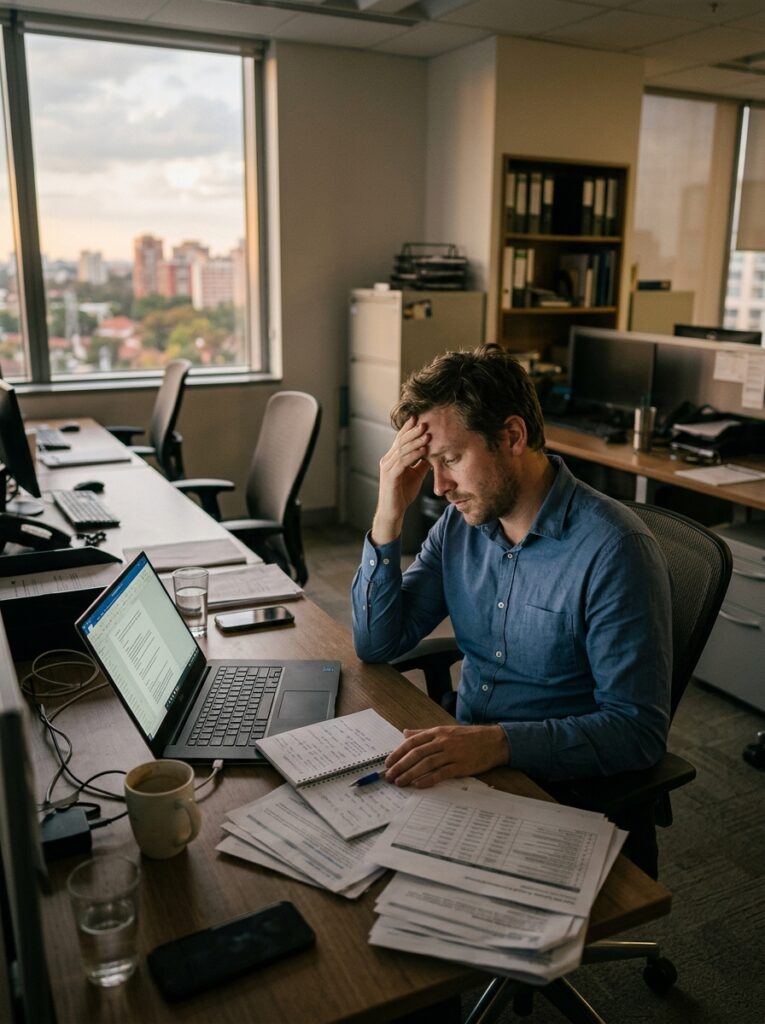
In a world that often moves too fast, learning how to manage stress may be one of the most important skills for maintaining long-term health and well-being.
