As sticker prices, interest rates and insurance costs remain elevated, U.S. car buyers are rethinking nearly every step of the purchase, from what they shop for to how long they plan to keep it.
For generations, buying a car in the United States followed a familiar script. A household picked a brand, compared a few models, negotiated over price, and drove home in a new vehicle that fit both lifestyle and budget. That script has not disappeared, but it has been rewritten by a harsher financial reality. For many Americans, the central question is no longer which vehicle they prefer. It is which vehicle they can still afford.
The change has been building for several years. New vehicles have become more expensive, financing has become more burdensome, and the total cost of ownership now stretches far beyond the monthly payment. Insurance premiums, repair bills and registration costs all weigh on the decision. The result is a more cautious, more strategic buyer, one who often enters the market already prepared to compromise.
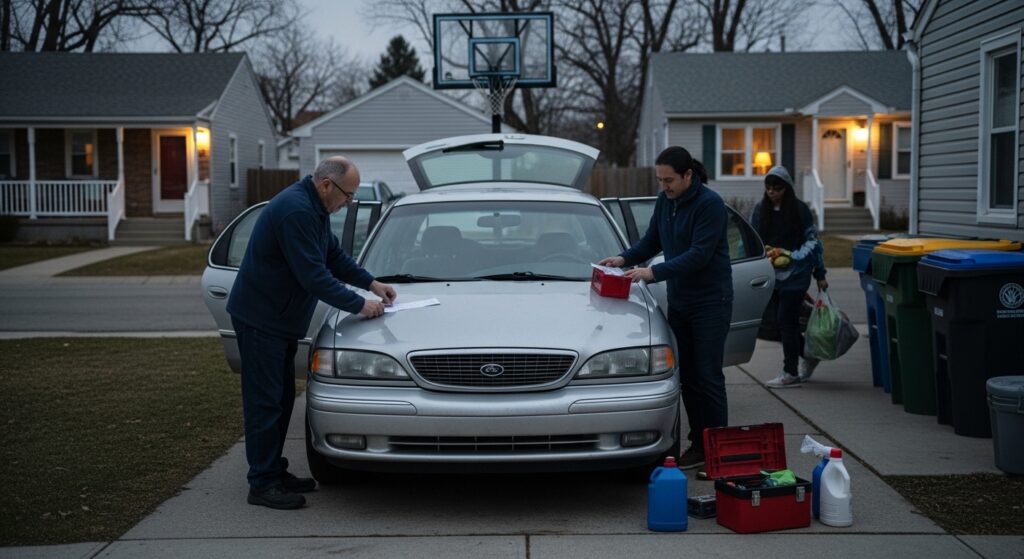
That compromise begins with timing. More Americans are delaying purchases altogether, hoping for better incentives, lower rates or a softer market. Families that might once have traded in a vehicle after a few years are now trying to squeeze more life out of aging cars. The average vehicle on American roads is rising, reflecting a broader pattern of consumers keeping what they have because replacing it feels too expensive. In practical terms, that means more money going toward maintenance, more attention to repair decisions and a greater willingness to tolerate an older vehicle if it still runs reliably.
When Americans do shop, many are entering the market with a different mindset than they had before the pandemic-era run-up in prices. The old idea of walking into a dealership with a preferred make and model has increasingly given way to a budget-first search. Buyers begin with the payment they think they can survive each month, then work backward to the vehicle. In many cases, that calculation leads them away from the new-car lot and toward used inventory, certified pre-owned vehicles or smaller, less well-equipped models than they originally planned to buy.
This payment-first mentality has changed the way dealers and lenders structure the conversation. Sticker price still matters, but the loan term has become just as important. Longer loans, once seen as an exception, are now a routine part of the affordability equation. Extending financing lowers the monthly payment enough to keep a buyer in the market, even if it increases the amount paid over time. For some households, that trade-off is the only path into a vehicle that meets daily needs. For others, it is a sign of how stretched the market has become.
That stretch is reshaping the used-car business as well. Used vehicles have become the pressure valve for consumers priced out of new models, but they are no bargain in the way they once were. Strong demand has kept used prices firm enough that many buyers are discovering the gap between new and used is narrower than expected, especially when interest rates on used loans come in higher. Even so, the used market remains the place where many Americans feel they still have some room to maneuver. Buyers who once would have insisted on a brand-new crossover are accepting a three-year-old sedan, a higher-mileage SUV or an older pickup if the numbers work.
The rise in prices has also changed what Americans value inside the vehicle itself. Features that once helped justify moving up to a premium trim are now easier to drop. Panoramic roofs, oversized wheels, upgraded audio systems and luxury packages often disappear from the wish list once buyers see what those extras do to the monthly bill. Safety technology tends to remain non-negotiable for families, but convenience and prestige features are increasingly treated as optional. In a tighter market, practicality has regained ground.
This does not mean Americans have stopped wanting larger vehicles. Sport utility vehicles and pickups remain deeply embedded in the U.S. market, for cultural as well as practical reasons. But even within those categories, shoppers are adjusting. Some are moving from full-size trucks to midsize ones, from three-row SUVs to two-row crossovers, or from high-end trims to base versions. Others are reconsidering vehicle type entirely, particularly younger buyers and urban households willing to sacrifice size for fuel savings and lower upfront cost.
Hybrids have benefited from this environment. For buyers worried about gasoline costs but not ready to commit to an electric vehicle, hybrids offer a middle path. They promise better fuel economy without requiring home charging or major lifestyle changes. In a market defined by caution, that kind of compromise has appeal. Fully electric vehicles still attract interest, especially when incentives are available, but for many Americans the decision remains heavily shaped by charging access, resale concerns and initial purchase price. Rising costs have not erased interest in newer technology, but they have made buyers more selective about when innovation feels worth the premium.
Leasing, too, has become part of the calculation, though not always in the way automakers might prefer. Some consumers see leasing as a way to reduce monthly pressure and avoid the long-term risks of owning an expensive vehicle whose value may change quickly. Others are moving away from leases because mileage restrictions and recurring payments make ownership feel more secure in an uncertain economy. In both cases, the decision reflects the same broader shift: Americans are treating vehicle acquisition less as a routine purchase and more as a financial strategy.
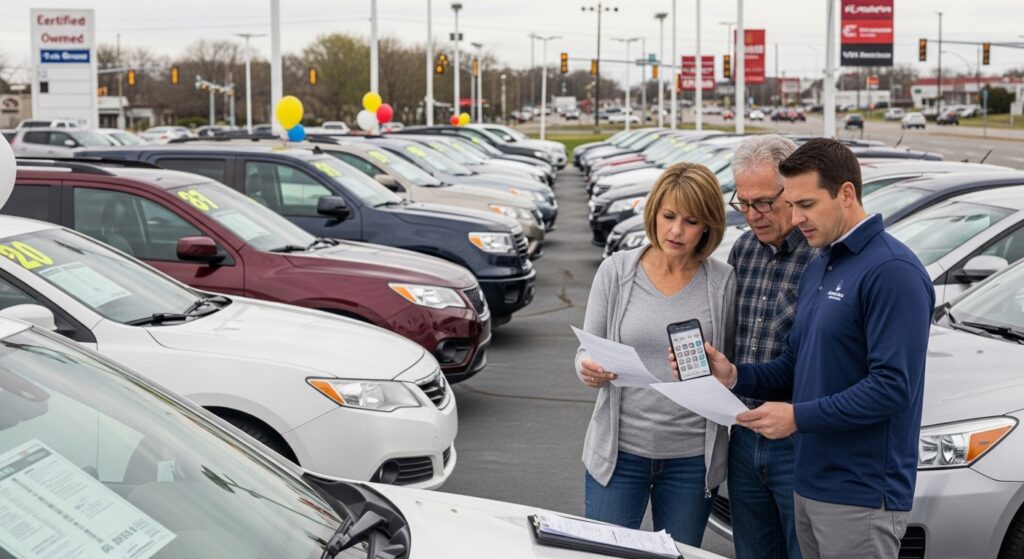
Another important change is the way people shop. Buyers are spending more time online, comparing loan scenarios, insurance estimates and trade-in values before they ever visit a showroom. They arrive better informed, but also more defensive. The emotional element of buying a car has not vanished, yet it is increasingly filtered through spreadsheets, calculators and preapproval letters. Consumers want fewer surprises. They want to know the all-in cost, not just the advertised offer. For dealerships, that means the sale often begins long before the first handshake.
The divide between income groups has also become more visible. Higher-income households can still absorb large down payments, rising monthly costs or premium vehicles with limited compromise. For middle-income and lower-income buyers, the same market looks very different. They are more likely to delay purchases, stretch loan terms, accept older vehicles or exit the market for new cars altogether. This creates a two-speed auto economy: one segment still buying expensive new models, another trying to preserve mobility at the lowest possible cost.
That divide matters because the car remains a necessity for much of the country. In many American suburbs, smaller cities and rural areas, a reliable vehicle is not optional. It is how people get to work, school, medical care and childcare. When vehicle prices rise faster than incomes, the strain is not merely about consumer preference. It becomes a question of economic access. A car purchase that once signaled upward mobility can start to feel like a defensive move, a financial burden assumed simply to maintain ordinary daily life.
There are broader consequences for the industry. Automakers have spent years emphasizing larger vehicles, richer trims and higher-margin products, a strategy that helped boost profits when consumers were willing or able to pay. But a market that pushes too many buyers out of reach risks undermining long-term loyalty. A customer who settles for an old used vehicle today may still aspire to buy new again later, but only if the market eventually offers an affordable path back in.
For now, Americans are adapting rather than retreating. They are buying later, borrowing longer, researching harder and compromising faster. They are holding on to older cars, prioritizing reliability over status and thinking more carefully about every dollar tied to transportation. The American car buyer still wants freedom, convenience and personal choice. What has changed is the price of those things, and the growing realization that in today’s market, affordability is shaping the purchase as much as desire.