THE ALGORITHMIC CURTAIN RISE AND THE CRISIS OF THE HUMAN CREATIVE
Hollywood and global media giants face a radical restructuring as generative AI moves from experimental tool to industry standard in April 2026
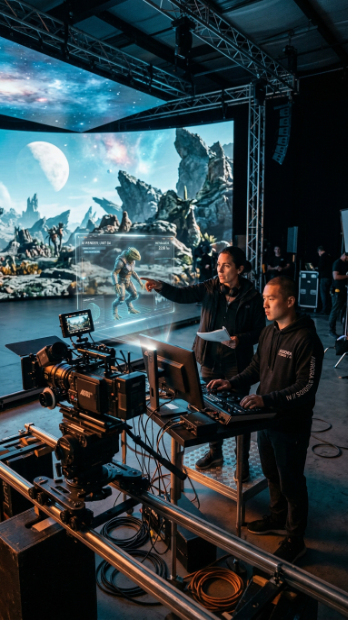
The global entertainment landscape in April 2026 is defined by a profound and unsettling transition as the boundaries between human artistry and machine intelligence become increasingly porous. This month represents a critical milestone in the digital transformation of media with the release of the first major studio feature film generated almost entirely through agentic AI workflows. The film which has sparked intense debate among critics and labor unions alike serves as a lightning rod for the tensions that have been simmering since the historic Hollywood strikes of the previous years. Industry analysts report that the traditional greenlight process has been fundamentally altered with studios now prioritizing intellectual property that can be easily adapted into multi platform digital ecosystems including interactive VR experiences and short form social content. As legacy media companies struggle to maintain their footing in an era of hyper personalization the very definition of what constitutes entertainment is being rewritten by algorithms that can predict and satisfy audience cravings with uncanny precision.
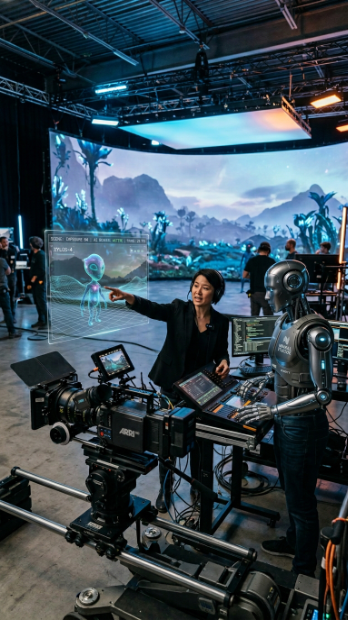
The rapid adoption of generative AI in post production and animation has already led to a significant shift in the labor market. Reports from major production hubs suggest that tens of thousands of entry level roles in sound design visual effects and voice acting are being phased out in favor of automated systems that can perform complex tasks in a fraction of the time and cost. This technological surge has created a new class of creative professionals known as prompt engineers and AI orchestrators who manage the output of sophisticated models to ensure brand consistency and narrative coherence. However the human cost of this efficiency is a subject of growing concern for organizations like SAG AFTRA and the Writers Guild of America. These unions are currently locked in a fresh round of negotiations with the Alliance of Motion Picture and Television Producers seeking stronger protections against the unauthorized use of digital replicas and the dilution of creative credits. The fear is not just the loss of jobs but the potential loss of the human soul in storytelling as data driven metrics begin to dictate plot points and character arcs to maximize engagement.
In the realm of streaming the battle for eyeballs has moved beyond content libraries and into the territory of immersive technology. Netflix and Disney Plus have recently unveiled updated platforms that integrate high fidelity cloud gaming and live interactive events directly into their interfaces. This convergence of cinema and gaming is particularly evident in the rise of the metaverse which despite earlier skepticism has evolved into a robust ecosystem for virtual concerts and digital fashion. Coachella 2026 which concluded earlier this month featured a record number of virtual attendees who experienced the festival through spatial audio and high definition VR headsets from the comfort of their homes. These virtual spaces are no longer just novelties but are becoming essential revenue streams for artists who can reach a global audience without the logistical constraints of physical touring. The success of these digital venues has prompted major music labels to rethink their business models focusing heavily on avatar based branding and virtual merchandise sales.
The theatrical experience is also undergoing a selective renaissance. While mid budget dramas continue to migrate to streaming platforms the cinema has become a venue for massive event films that offer something the home environment cannot replicate. High end exhibitors are investing in multis