Balanced Living in Modern Life Begins with Small Daily Choices
In modern life, the idea of “living in balance” is mentioned more and more often. However, for many people, it still feels like a vague goal. Some believe that balance means having plenty of free time, an easy job, financial stability, and a perfectly organized routine. In reality, balance does not necessarily come from a life without pressure. It often comes from how individuals organize, choose, and respond to everyday situations. It is a state built from small, consistent details rather than one major change achieved in a short time.
One common misunderstanding is treating balance as a fixed destination. Many people wait until work becomes easier, children grow older, the house is more organized, or life becomes less busy before focusing on self-care and improving their lifestyle. But in reality, life is rarely completely calm. There will always be unexpected tasks, busy periods, and different types of pressure. Therefore, balanced living is not about waiting for ideal conditions—it is about learning to maintain a steady rhythm within real-life circumstances.
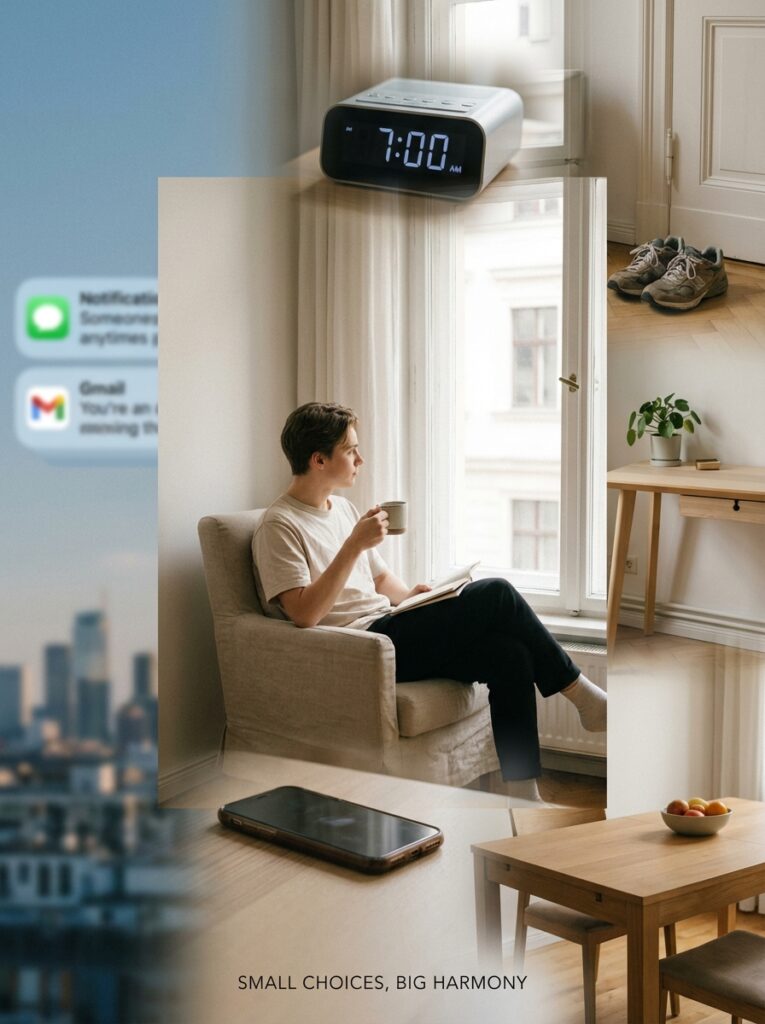
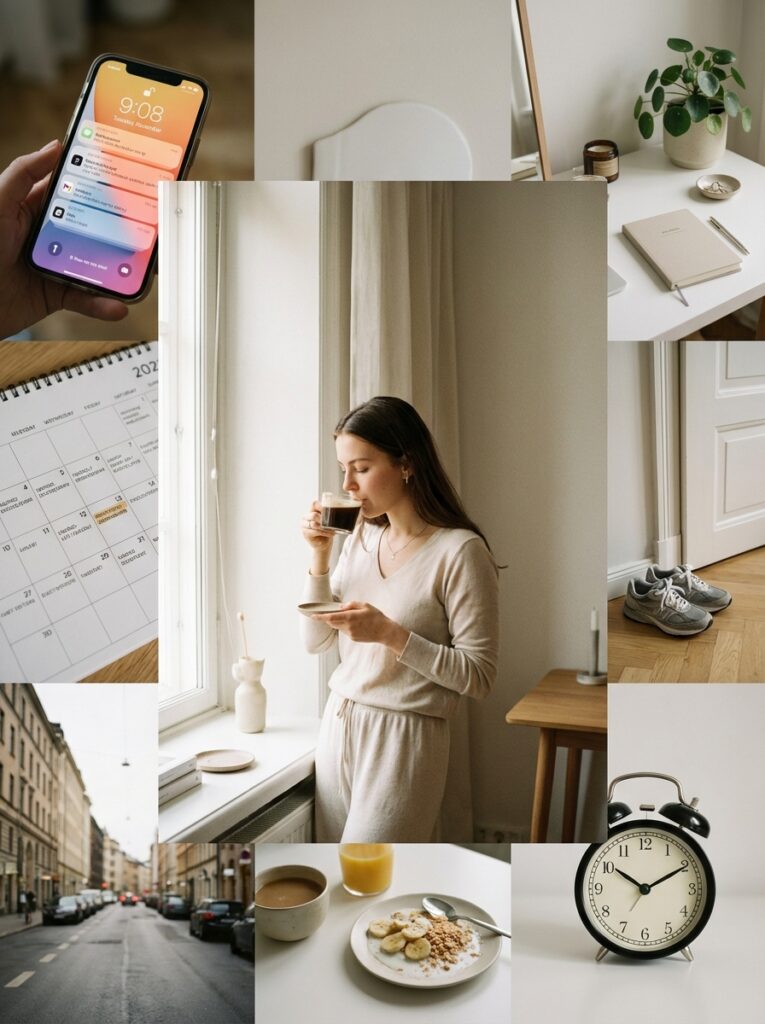
Small daily choices often have a greater impact than people realize. For example, how someone starts their morning can shape the entire day. A rushed morning—waking up late, multitasking, checking the phone immediately, and jumping into work—often puts the mind into a tense state. In contrast, waking up slightly earlier, having a few quiet moments, drinking water, breathing deeply, or preparing for the day at a slower pace can create a noticeably different feeling. This shows that balance does not always come from big changes, but from setting a personal rhythm.
Living space also plays a significant role in daily well-being. A home does not need to be large or elaborately designed to feel comfortable. What matters more is whether it is organized, functional, and restful. A cluttered environment can quietly increase fatigue. Scattered belongings, a messy workspace, poor lighting, or neglected corners can keep the mind distracted by small, constant stimuli. On the other hand, simply tidying a small area, allowing more natural light, maintaining cleanliness, or creating a cozy corner can noticeably improve the living experience.
Balanced living is also closely related to setting boundaries between work and personal life. In an always-connected world, many people carry work with them throughout the day via phones, emails, and messaging platforms. This blurs the line between work and rest. Some people sit at dinner but are mentally still at work. Others go to bed but continue checking notifications. When boundaries disappear, fatigue accumulates quickly. A key part of balanced living is knowing when to stop, when to disconnect from work, and when to be fully present for family, personal time, or rest.
Simple personal habits also contribute to a more sustainable lifestyle. Activities like walking, reading a few pages of a book, preparing a proper meal, organizing daily tasks, or maintaining a consistent sleep schedule can create meaningful change over time. Not everyone needs the same set of habits. The important thing is to find small actions that help you feel more stable, focused, and at ease. For one person, it might be making the bed every morning. For another, it could be cooking at home a few times a week or spending half an hour without using a phone before sleep. These small but suitable habits are what build a lasting lifestyle.
Another increasingly important factor is the quality of time. Many people feel constantly busy but end the day unsatisfied with how their time was spent. This often happens because time is fragmented by small tasks, constant scrolling, or a lack of clear priorities. Balanced living does not mean doing everything—it means knowing what matters most at each stage. Sometimes work needs priority; other times, family, rest, or personal well-being should come first. When people understand where to focus their energy, they feel more in control and less overwhelmed.
Consumption habits also reflect lifestyle choices. Today, buying things is not just about meeting basic needs but also about emotions, habits, and how people shape their living environment. However, with so many trends and options, not everything new is truly necessary. A practical lifestyle often involves more selective consumption—choosing what is genuinely useful, prioritizing quality over quantity, and considering whether something adds convenience or just clutter. Reducing unnecessary possessions can create a sense of lightness, both physically and mentally.
Balance does not mean always being positive or productive. A harmonious life still includes tired days, slower moments, and periods of doing very little. In a society that values productivity, rest is sometimes overlooked. Yet resting at the right time is what helps sustain long-term energy. An evening without extra work, a weekend without an overloaded schedule, or time spent on personal interests can have a deeper value than they appear.
It is also important to recognize that balanced living does not follow a universal formula. Each person has different circumstances, needs, and rhythms. What works for a single person in a city may not suit someone with a family or an irregular work schedule. Instead of copying others, individuals should observe what truly helps them feel healthier, calmer, and more aligned with their values. Balance does not come from imitation—it comes from understanding one’s own life and adjusting it accordingly.
In a fast-moving world, balanced living is becoming an essential skill. It does not require a perfect life, but rather greater awareness of the small choices repeated each day. By organizing time more thoughtfully, improving living spaces, maintaining positive habits, and allowing room for rest, people can not only live more effectively but also more comfortably. And perhaps that is the true meaning of a modern lifestyle—not always having more, but having what truly fits.