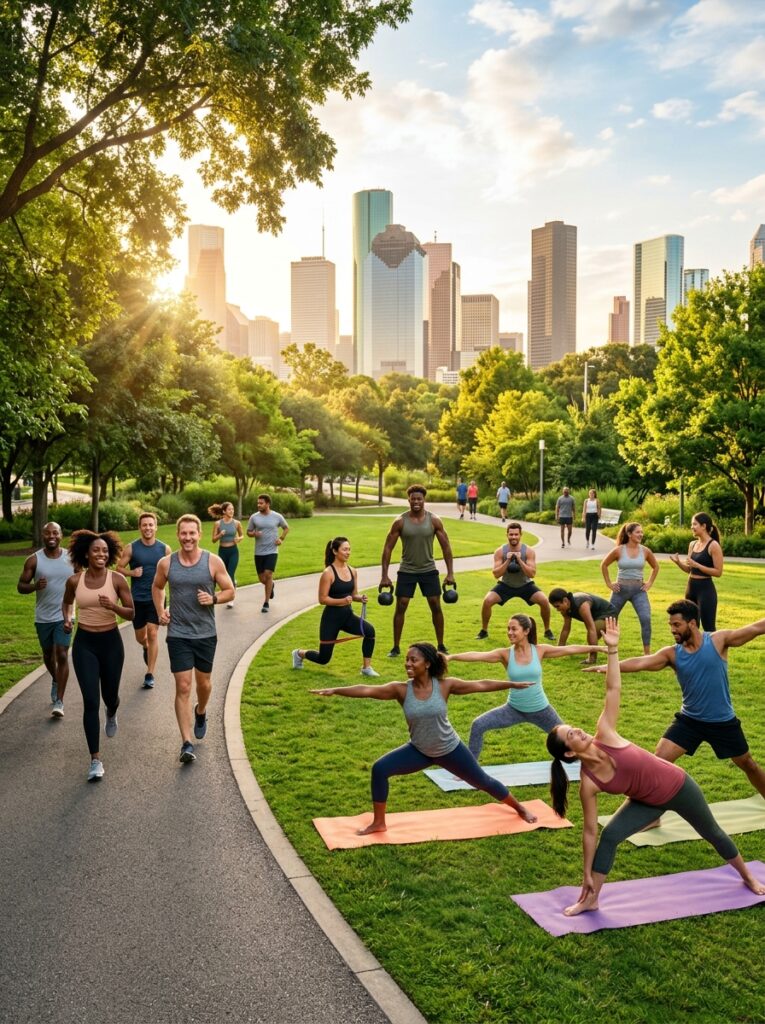
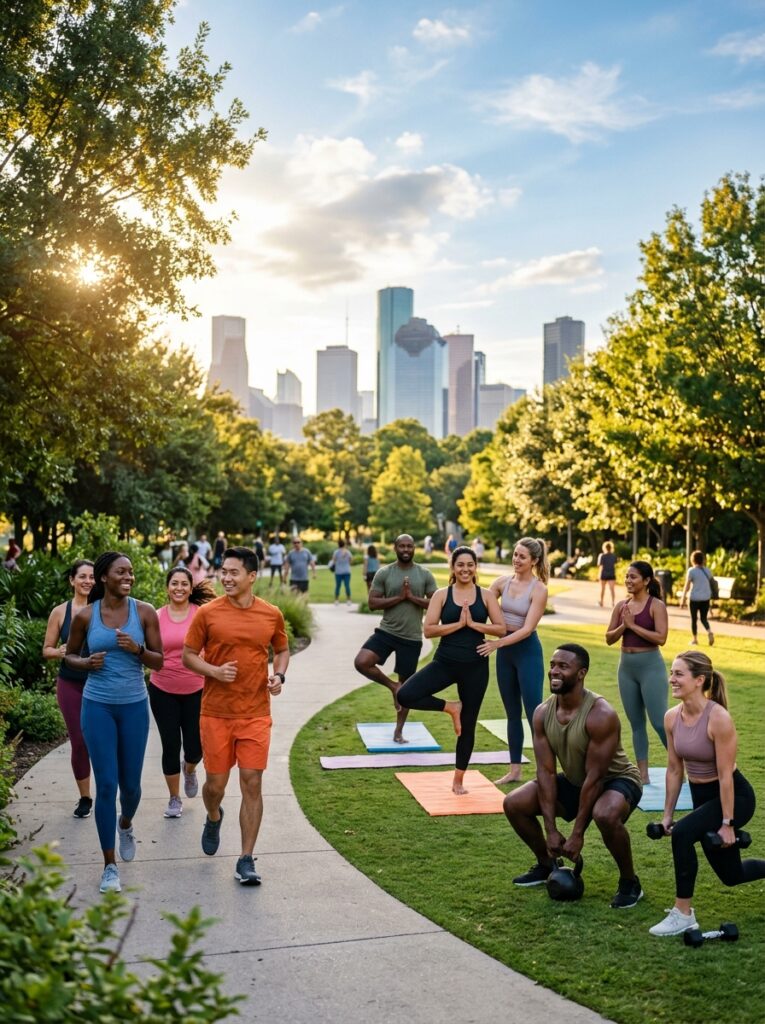
In today’s fast-paced world, where technology dominates daily routines and sedentary lifestyles are increasingly common, maintaining an active lifestyle has become more important than ever. Sport and physical activity are no longer just recreational options—they are essential components of a healthy and balanced life. From improving physical health to enhancing mental well-being, an active lifestyle plays a critical role in shaping how we live, work, and perform.
Understanding Active Living
Active living refers to a lifestyle that integrates physical activity into everyday routines. It does not necessarily mean spending hours in the gym or training like a professional athlete. Instead, it emphasizes consistent movement, whether through structured exercise or simple daily activities such as walking, cycling, or even household chores.
The key idea is sustainability. An active lifestyle is not about intensity alone—it’s about consistency. Even moderate activity performed regularly can lead to significant improvements in overall health.
The Physical Benefits of Staying Active
One of the most obvious benefits of an active lifestyle is improved physical health. Regular exercise strengthens the cardiovascular system, enhances lung capacity, and improves blood circulation. These effects reduce the risk of chronic diseases such as heart disease, diabetes, and obesity.
Additionally, physical activity helps maintain a healthy weight by burning calories and boosting metabolism. Strength training contributes to muscle growth and bone density, which is particularly important as people age. Flexibility exercises, such as stretching or yoga, improve joint mobility and reduce the risk of injury.
Importantly, physical activity also improves immune function. People who engage in regular exercise tend to get sick less often and recover faster when they do.
Mental Health and Emotional Well-being
Beyond physical health, sport and movement have a profound impact on mental well-being. Exercise stimulates the release of endorphins—chemicals in the brain that create feelings of happiness and reduce stress.
In a world where stress, anxiety, and burnout are increasingly common, physical activity serves as a natural and effective coping mechanism. A simple 30-minute walk can significantly reduce tension and improve mood.
Regular exercise has also been linked to better sleep quality, improved concentration, and enhanced cognitive performance. People who stay active often report higher levels of confidence and a more positive outlook on life.
The Role of Sport in Building Discipline and Resilience
Sport is not just about physical strength—it also builds character. Whether you are training for a marathon or simply trying to stay consistent with your workouts, sport teaches discipline, perseverance, and resilience.
Setting fitness goals and working toward them helps develop a sense of purpose. Overcoming challenges during training—such as fatigue or self-doubt—translates into greater mental toughness in everyday life.
Team sports, in particular, foster collaboration, communication, and leadership skills. They create a sense of belonging and encourage social interaction, which is essential for emotional health.
Modern Fitness Trends
As awareness of health and wellness continues to grow, several fitness trends have emerged, making it easier for people to stay active.
1. Personalized Fitness Programs
Today, individuals can tailor their workouts based on their goals, whether it’s weight loss, muscle gain, or improved endurance. Fitness apps and wearable devices track progress and provide data-driven insights, making training more efficient.
2. Home Workouts and Digital Fitness
With the rise of online platforms, people can now access professional training programs from the comfort of their homes. This flexibility makes it easier for busy individuals to maintain a consistent routine.
3. Outdoor Activities
Activities such as hiking, cycling, and running have gained popularity as people seek to combine exercise with nature. Outdoor sports not only improve physical fitness but also provide mental relaxation.
4. Mind-Body Practices
Yoga, Pilates, and meditation are increasingly popular for their ability to connect physical movement with mental awareness. These practices are particularly beneficial for stress management and overall balance.
How to Start an Active Lifestyle
For many people, the biggest challenge is simply getting started. However, adopting an active lifestyle does not require drastic changes.
Start Small
Begin with simple activities like walking for 15 minutes a day or doing basic stretching exercises. Gradually increase the intensity and duration as your body adapts.
Set Realistic Goals
Clear and achievable goals provide motivation. For example:
- Walking 5,000 steps daily
- Exercising three times a week
- Completing a 5K run within three months
These milestones help track progress and maintain consistency.
Find What You Enjoy
Not everyone enjoys the same type of exercise. Some prefer gym workouts, while others enjoy dancing, swimming, or cycling. Finding an activity you enjoy makes it easier to stay committed.
Stay Consistent
Consistency is more important than intensity. Even moderate exercise performed regularly is more effective than occasional intense workouts.
Listen to Your Body
Rest and recovery are essential. Overtraining can lead to injury and burnout. Pay attention to your body’s signals and allow time for recovery.
Inspiring Stories of Transformation
Many people have transformed their lives through sport. Consider the story of a busy office worker who struggled with weight and low energy levels. By starting with daily walks and gradually incorporating strength training, he lost over 20 kilograms within a year and regained confidence and vitality.
Another example is a mother balancing work and family responsibilities. By dedicating just 30 minutes a day to yoga, she improved her physical health, reduced stress, and became more present in her daily life.
These stories demonstrate that anyone can achieve meaningful change through consistent effort.
The Future of Active Living
The future of fitness is closely tied to technology and accessibility. Smart devices, virtual coaching, and AI-driven training programs are making it easier than ever to stay active.
At the same time, society is shifting its focus from appearance to overall well-being. People are no longer exercising فقط to look good—they are doing it to feel better, perform better, and live longer.
Conclusion
An active lifestyle is one of the most powerful tools for improving both physical and mental health. It does not require perfection or extreme effort—only consistency and commitment.
In a world filled with challenges and distractions, sport provides a pathway to balance, resilience, and vitality. By making movement a part of everyday life, individuals can unlock their full potential and enjoy a healthier, more fulfilling future.