
How are electric vehicles changing the travel habits of modern users?
In recent years, electric vehicles (EVs) have no longer been a distant concept seen only at technology exhibitions or in long-term transportation development plans. They are gradually becoming a familiar part of modern life, especially in large cities where users are increasingly concerned about operating costs, convenience, and sustainable mobility solutions. This shift is not only happening at the market level but is also clearly influencing travel habits, consumer thinking, and how people perceive personal transportation.
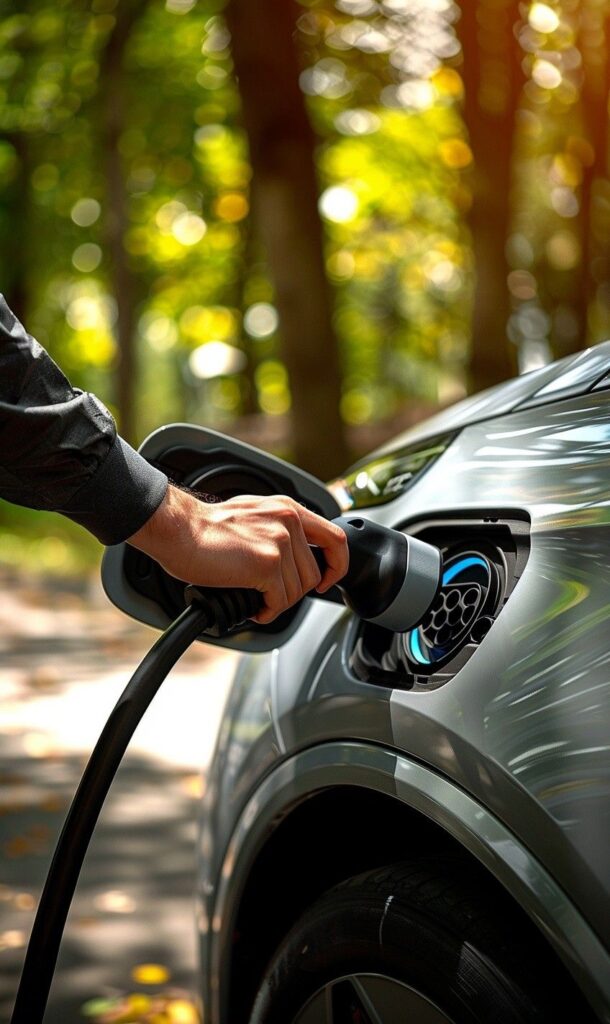
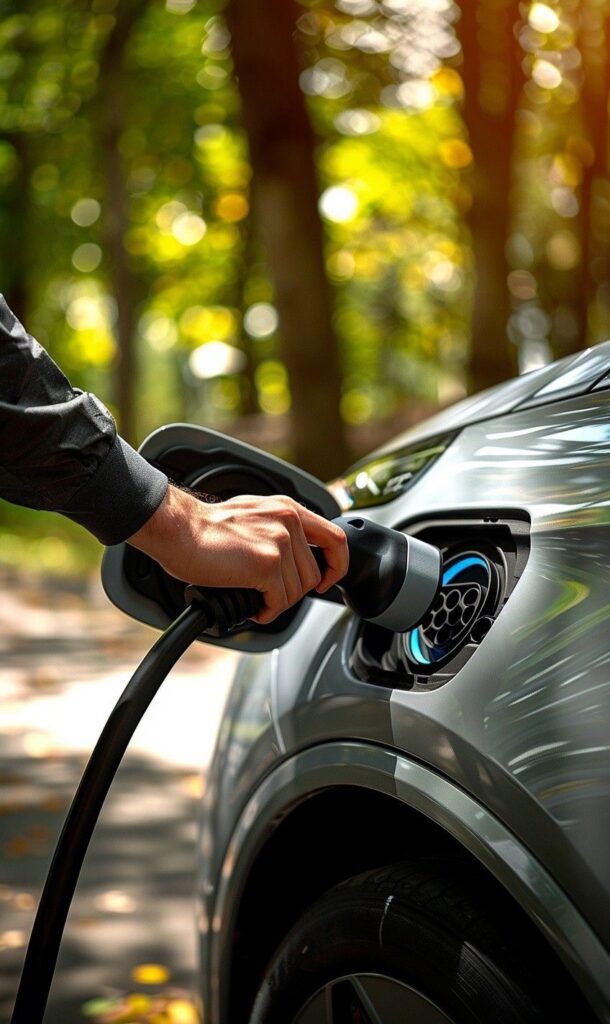
One of the most noticeable changes is how users calculate operating costs. With internal combustion engine vehicles, fuel costs have always been a constant concern, especially with fluctuating gasoline prices. In contrast, EVs provide a greater sense of control over usage costs. Many users are becoming familiar with the concept of charging at home, at the workplace, or while shopping and resting. The shift from “refueling” to “managing charging time” creates an entirely different habit, requiring drivers to plan their journeys more intelligently while also reducing long-term cost pressures.
Beyond cost considerations, EVs are also reshaping driving experiences and vehicle usage behavior. Many first-time EV drivers are impressed by smooth acceleration, quiet operation, and a more comfortable cabin environment. These features are particularly well-suited to urban settings, where drivers frequently encounter traffic congestion, stoplights, and slow-moving residential areas. Reduced vibration and noise can help minimize driver fatigue during daily use, especially for those who regularly travel moderate distances within the city.
In addition, EVs are redefining the concept of a car as a mobile technology device. In many modern models, large central displays, driver-assistance systems, over-the-air software updates, mobile app controls, and smart connectivity features have become key highlights. This transforms car ownership from simply having a means of transportation into owning a technological ecosystem that enhances personal experience. Users can check battery levels, pre-condition the cabin, track vehicle location, or receive maintenance updates directly on their smartphones. As a result, the way people use their cars increasingly resembles how they interact with digital devices in modern life.
However, the transition to EVs also introduces new requirements in terms of user mindset. Previously, drivers mainly focused on oil changes, engine maintenance, or fuel levels. With EVs, users need a better understanding of battery lifespan, proper charging habits, and how to optimize driving range. For example, maintaining a stable battery level, avoiding frequent deep discharges, or limiting excessive fast charging in certain situations can help improve long-term efficiency. This shift requires users to adopt a more proactive approach and spend time learning about the technology rather than relying solely on old habits.
From a market perspective, EVs are also reshaping competition among automakers in a very different way. While brands once focused heavily on engine power, fuel efficiency, or mechanical design, competition now also revolves around software, battery performance, feature updates, and user experience. This gives buyers a broader set of criteria to consider. An attractive EV today not only needs a good design but also a user-friendly interface, effective driver assistance systems, reliable connectivity apps, and after-sales services suited to this new operating model.
Moreover, EVs are influencing how consumers perceive environmental responsibility in their personal choices. While not everyone purchases an EV for environmental reasons, more people are recognizing that choosing a lower-emission vehicle aligns with a modern and responsible lifestyle. This is especially true among younger users, urban families, and tech enthusiasts, for whom EVs symbolize a new way of living: practical, optimized, and trend-conscious. Although debates remain about electricity sources, battery production, and recycling infrastructure, the growing acceptance of EVs shows that sustainability is becoming an important factor in purchasing decisions.
Of course, not all mobility needs are immediately suited to electric vehicles. For those who frequently travel long distances, live in areas with limited charging infrastructure, or require continuous high-intensity vehicle use, internal combustion engine vehicles may still be a more practical choice at present. However, what is notable is that EVs are no longer seen as an option for only a small group of users. Instead, they are becoming a truly competitive alternative, pushing the market to adapt.
From the user’s perspective, the most significant change brought by EVs may not lie in power or technical specifications, but in how they encourage people to rethink daily mobility. Users are paying more attention to overall convenience, long-term costs, smart features, and the role of technology in the driving experience. This represents a deeper transformation, as it reflects not only a shift in products but also in the lifestyle of modern urban living.
In the near future, as charging infrastructure continues to expand, battery technology improves, and vehicle prices become more accessible, EVs may no longer be considered a “new trend” but rather a standard part of personal transportation. When that happens, user travel habits will continue to evolve—becoming more connected, more flexible, and more integrated with technology. Electric vehicles, therefore, are not just a story of the automotive industry, but of a generation of users embracing a new way of life.
