THE EVOLUTION OF GLOBAL ENDURANCE RACING AND THE TRANSFORMATION OF HUMAN LIMITS
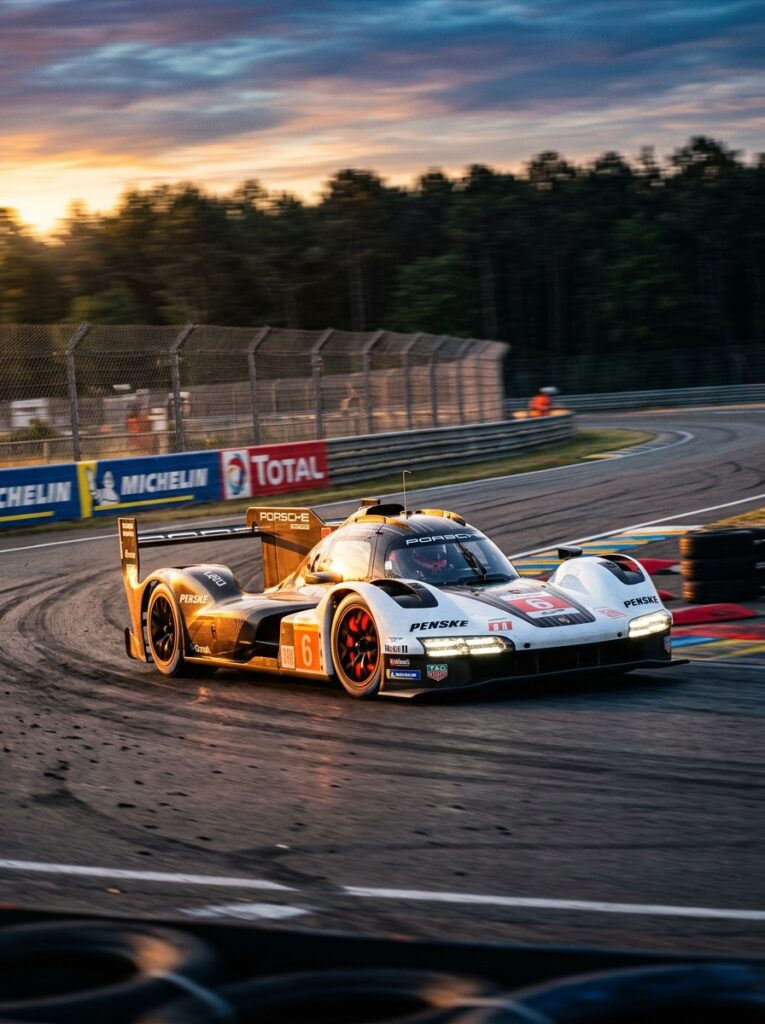
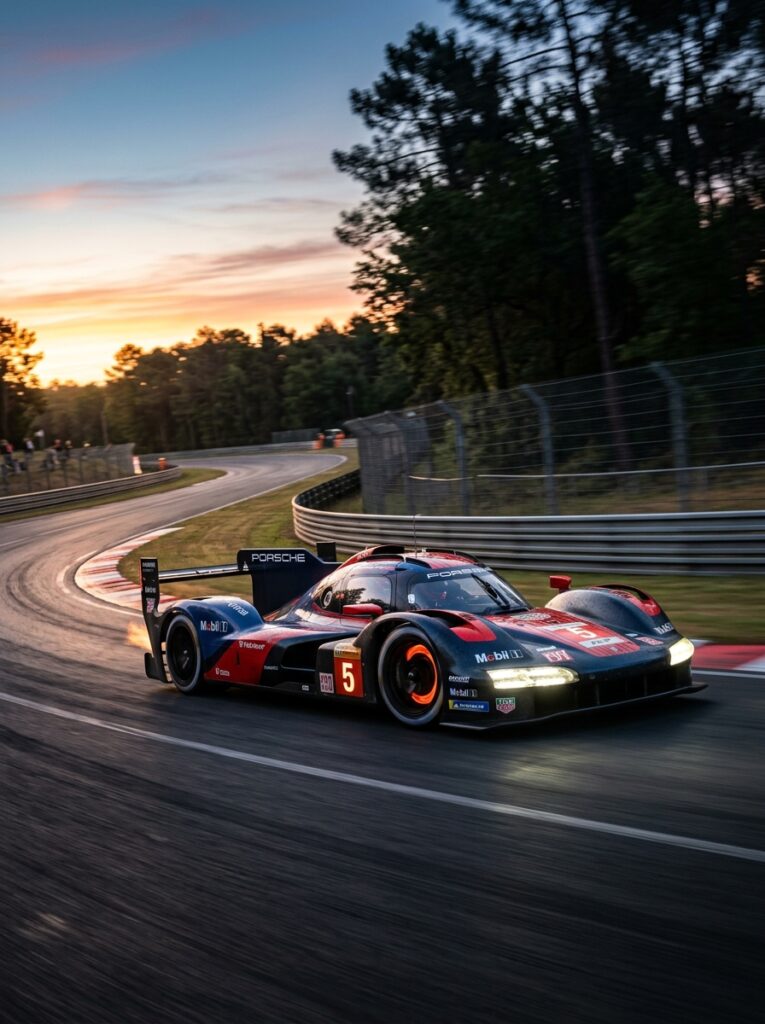
As the sun rises over the historic Circuit de la Sarthe the world witnesses a profound shift in the landscape of professional sports where technology and human willpower converge to redefine the possible
The roar of internal combustion engines once the sole heartbeat of endurance racing is now joined by the high pitched whine of advanced electric motors and hybrid systems signaling a new era for global motorsports. This transformation is not merely about mechanical engineering but represents a fundamental change in how athletes train how teams manage data and how the public consumes high stakes competition. In the modern landscape of sports endurance has become the ultimate testing ground for both sustainable technology and the psychological resilience of the human spirit.
From the legendary twenty four hour races in France to the grueling desert rallies across the Middle East the discipline of endurance sports has seen a massive surge in popularity and investment. Analysts point to a renewed interest from major automotive manufacturers who see these competitions as the perfect laboratory for developing the next generation of consumer vehicles. However the true story of this evolution lies within the cockpit and the pit garage where the margin for error has shrunk to nearly zero. Modern drivers are no longer just pilots they are elite biological processors capable of maintaining focus for hours while enduring extreme physical stress and managing complex digital interfaces.
The shift toward hybrid and fully electric powertrains has introduced a new layer of strategy to the track. Drivers must now balance traditional racing lines with energy harvesting and thermal management creating a chess match at two hundred miles per hour. This complexity has drawn a new generation of fans who are as interested in the telemetry and data as they are in the overtakes. The integration of real time statistics and augmented reality into broadcasts has turned a niche long distance event into a global entertainment powerhouse.
Beyond the machinery the culture of professional sports is undergoing a demographic shift. We are seeing more diverse participation across all levels of racing from engineering booths to the driver seats. International governing bodies have implemented new regulations to ensure cost caps and competitive balance which has allowed independent teams to challenge the dominance of well funded factory programs. This democratization of the podium has injected a sense of unpredictability that was missing for decades making every lap a potential turning point in the championship standings.
As we look toward the future the intersection of sports and environmental responsibility becomes the central narrative. The push for carbon neutral fuels and circular manufacturing processes within the racing industry serves as a blueprint for other global sports to follow. The spectacle of speed is being harnessed to promote a message of conservation and innovation proving that high performance and sustainability can coexist on the same asphalt.
As the checkered flag falls on the latest chapter of this sporting journey the impact is felt far beyond the grandstands. The lessons learned during twenty four hours of continuous competition inform the safety of our daily commute the efficiency of our power grids and the boundaries of human performance. The legacy of endurance racing is being rewritten in real time and the world is watching as every second counts toward a faster more resilient future.