Celebrities and Their Influence in Modern Entertainment Culture
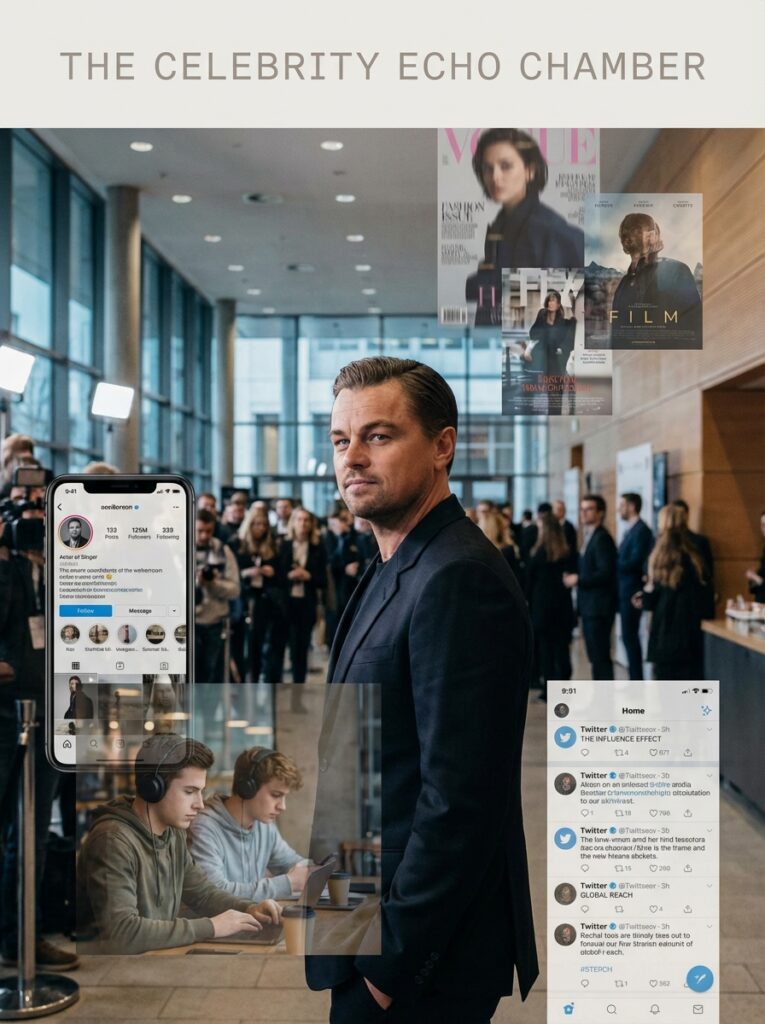
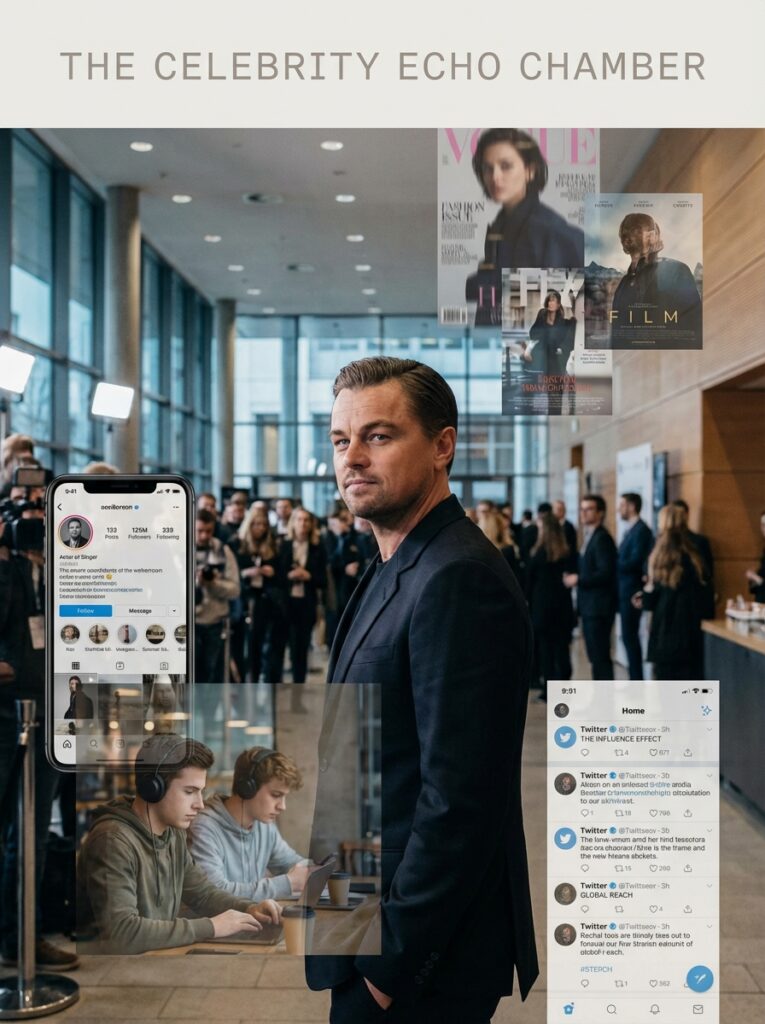
In today’s entertainment world, celebrities are no longer just faces appearing on screens, stages, or major events. They have increasingly become influential figures shaping how the public engages with culture, lifestyle trends, and even everyday conversations. From actors, singers, and TV hosts to digital personalities, celebrities are now deeply embedded in the media landscape and play a key role in creating widely discussed topics.
In the past, the distance between celebrities and the public was quite clear. Their images were mainly conveyed through newspapers, television, or official events. Fans knew them through their work, performances, or carefully curated interviews. Today, however, with the rise of social media and digital platforms, that distance has significantly narrowed. Audiences are no longer interested only in artistic products—they also follow celebrities’ lifestyles, habits, thoughts, fashion styles, and even everyday moments. This has greatly expanded the role of celebrities in entertainment beyond what it used to be.
One of the main reasons celebrities hold such influence is that they are both creators of content and subjects of content themselves. A film may attract viewers because of its script, but it can gain even more attention due to its lead actors. A song is not only appreciated for its melody but also for the performer’s unique image or growing popularity. In this context, celebrities themselves become a source of media value. They are not just participants in the entertainment industry—they are part of the entertainment flow itself.
Their influence is especially evident in trendsetting. A fashion style, makeup look, phrase, dance, or lifestyle choice can quickly spread simply by being associated with a well-known figure. The public, especially younger audiences, often observe and learn from those they admire. This is not merely imitation—it stems from a sense of connection, admiration, and the desire to relate to inspiring figures. When a celebrity maintains a positive, relatable, and consistent image, their influence tends to be stronger and more enduring.
However, the changing media environment has also made celebrity images more multidimensional. Today’s audiences do not focus solely on glamour or stage success. They also pay attention to personality, behavior, professionalism, work ethic, and how public figures interact with their communities. This marks a significant shift in modern entertainment culture. While someone can become famous quickly, maintaining long-term public favor requires more than temporary attention. Audiences now observe more carefully and evaluate more holistically—not just based on achievements, but also on how they perceive the individual.
The rise of digital platforms has also expanded the definition of celebrity. Beyond traditional stars in film and music, many internet personalities have become widely recognized figures. These may include content creators, online hosts, independent artists, or individuals who build their own communities. This shows that entertainment culture has become more flexible, and audiences are more open to new forms of fame. As long as a person offers emotional value, entertainment, or interesting perspectives, they can build influence in today’s environment.
With great influence comes greater responsibility. When a celebrity’s image can affect the thoughts and behaviors of large audiences—especially young people—every statement, action, or public decision can quickly gain attention and spread widely. This makes personal image management an essential part of a career in entertainment. A successful artist today needs not only talent but also awareness, integrity, and the ability to maintain a healthy relationship with the public.
At the same time, modern audiences are not only attracted to perfection. Many celebrities are loved not because they appear flawless, but because they show authenticity, effort, and genuine personality. In an era of dense media exposure, authenticity can sometimes create stronger connections than carefully constructed images. When celebrities share real perspectives, everyday experiences, or their professional journeys with a positive spirit, they often build a deeper and more lasting bond with their audiences.
From a cultural perspective, celebrities also help shape the overall atmosphere of entertainment. They spread artistic trends, bring films or songs closer to the public, spark social conversations, and enrich the experience of popular culture. A vibrant entertainment industry always needs compelling figures to connect content with audiences. This is why celebrities continue to hold an important position in today’s content ecosystem.
However, their influence is also evolving in a more nuanced direction. Audiences are no longer passive—they actively choose whom to follow, support, and listen to. This means real influence does not come solely from media exposure, but from trust and emotional connection. In a world filled with information and countless public figures, lasting admiration tends to belong to those who maintain authenticity and create genuine connections.
In modern entertainment culture, celebrities are not just symbols of success or public attention. They are individuals who help shape trends, inspiration, and how people engage with culture in everyday life. Their influence may begin with a role, a song, or a show, but to endure, it must be sustained by quality, positive image, and sincere connection with their audience.