Global automotive markets navigate a turbulent transition as infrastructure challenges and shifting consumer demands redefine the industry landscape
The global automotive industry is currently navigating one of its most significant transformations since the first Model T rolled off Henry Fords assembly line over a century ago. This seismic shift is characterized by a high stakes race toward electrification a movement driven by stringent environmental regulations evolving consumer preferences and rapid technological breakthroughs. As major manufacturers commit billions of dollars to battery research and development the traditional internal combustion engine faces an uncertain but lingering future. Industry analysts suggest that while the transition to electric vehicles appears inevitable the path forward is fraught with logistical hurdles economic volatility and cultural resistance. From the bustling streets of Shanghai to the sprawling highways of North America the sight of charging stations replacing petrol pumps is becoming increasingly common yet the infrastructure often struggles to keep pace with the ambitions of policymakers. This transition is not merely a change in propulsion systems but a fundamental reimagining of what a car represents in a digital and decarbonized society.
The primary catalyst for this revolution has been the global push to reduce carbon emissions and combat climate change. European regulators have led the charge with aggressive mandates that aim to phase out the sale of new petrol and diesel cars by the middle of the next decade. Major automakers including Volkswagen General Motors and Mercedes Benz have responded by announcing plans to transition their entire fleets to zero emission models. However the implementation of these goals is proving to be more complex than initially anticipated. Supply chain disruptions for critical minerals like lithium cobalt and nickel have caused fluctuations in battery prices making it difficult for manufacturers to reach price parity with traditional vehicles. Despite these challenges the engineering behind electric vehicles has advanced at a staggering rate. Modern batteries now offer ranges that exceed four hundred miles on a single charge and fast charging technology has reduced wait times from hours to minutes in many regions. The driving experience itself has also changed with electric motors providing instantaneous torque and a silent cabin environment that contrasts sharply with the mechanical vibration of an internal combustion engine.
As the industry pivots toward electricity the cultural legacy of the automobile remains deeply rooted in the roar of an engine and the tactile sensation of shifting gears. For many enthusiasts cars are more than just transportation they are symbols of freedom and mechanical artistry. This sentiment is particularly strong in the luxury and performance sectors where brands like Ferrari and Porsche are exploring synthetic e fuels as a way to preserve the internal combustion engine while meeting carbon neutrality goals. These carbon neutral fuels are designed to be used in existing engines potentially providing a lifeline for classic cars and high performance machines that would otherwise be relegated to museums. Yet the scalability and cost effectiveness of e fuels remain significant points of debate among economists and environmentalists. While some see them as a necessary bridge others view them as an expensive distraction from the primary goal of total electrification.
The financial implications of this transition are equally profound. Traditional automotive giants are essentially running two separate businesses simultaneously maintaining their profitable internal combustion operations while investing heavily in the loss making initial stages of electric vehicle production. This dual strategy requires immense capital and has led to unprecedented partnerships between rivals who are now sharing platforms and battery technology to reduce costs. Meanwhile new entrants like Tesla and various Chinese manufacturers have disrupted the established hierarchy by focusing exclusively on software defined vehicles. These companies treat the car as a rolling computer capable of receiving over the air updates that improve performance and add features long after the vehicle has left the showroom. This shift toward software is creating a new revenue model for the industry with subscriptions for autonomous driving capabilities and infotainment services becoming a core part of the business plan.
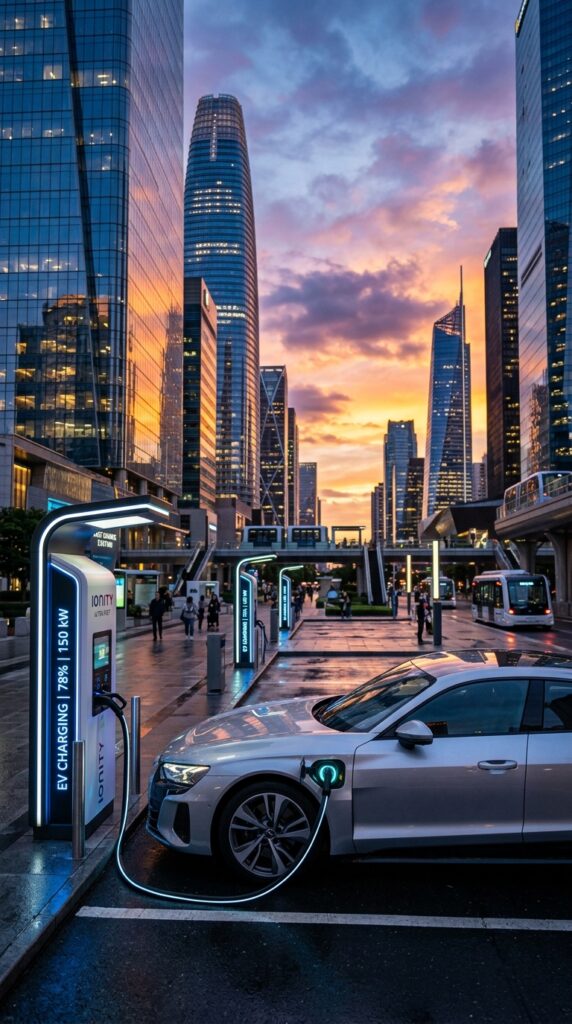
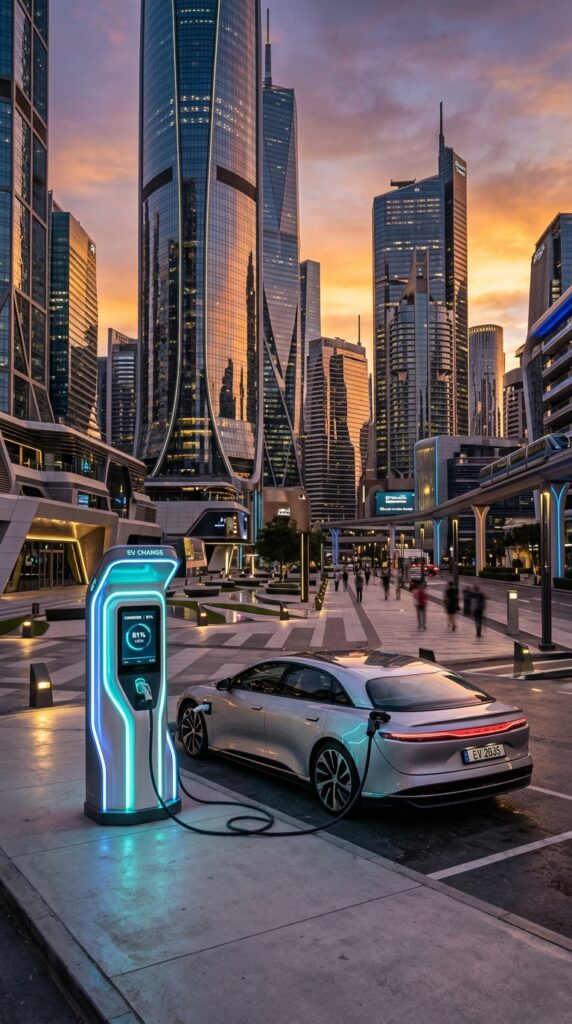
Infrastructure remains the greatest bottleneck to widespread adoption. While urban centers in developed nations have seen a surge in public charging points rural areas and emerging markets face a significant digital and energetic divide. The reliability of charging networks is also a major concern for prospective buyers who fear being stranded with a depleted battery. Governments are attempting to address this through massive subsidies and public private partnerships but the scale of the required grid upgrades is monumental. Electricity grids must be modernized to handle the increased load and the source of that electricity must be transitioned to renewables for the environmental benefits of electric vehicles to be fully realized. If an electric car is powered by a coal fired plant its lifetime carbon footprint remains substantial albeit still lower than a conventional vehicle.
Looking toward the end of the decade the automotive landscape will likely be a mosaic of different technologies. Hybrid vehicles which combine an internal combustion engine with an electric motor continue to see strong sales as a pragmatic middle ground for consumers not yet ready to go fully electric. Hydrogen fuel cell technology also remains a contender particularly for heavy duty trucking and long haul transportation where battery weight becomes a limiting factor. The ultimate winner of this technological race may not be a single propulsion system but a combination of solutions tailored to specific regional needs and use cases. As the roar of the engine gradually fades into the hum of the electric motor the essence of the automobile continues to evolve. What remains constant is the human desire for mobility and the relentless pursuit of innovation that has defined the car industry for over a hundred years. The coming years will determine which brands emerge as leaders in this new era and how the world adapts to a future where the petrol station is a relic of the past and the vehicle is a seamless extension of our digital lives.