
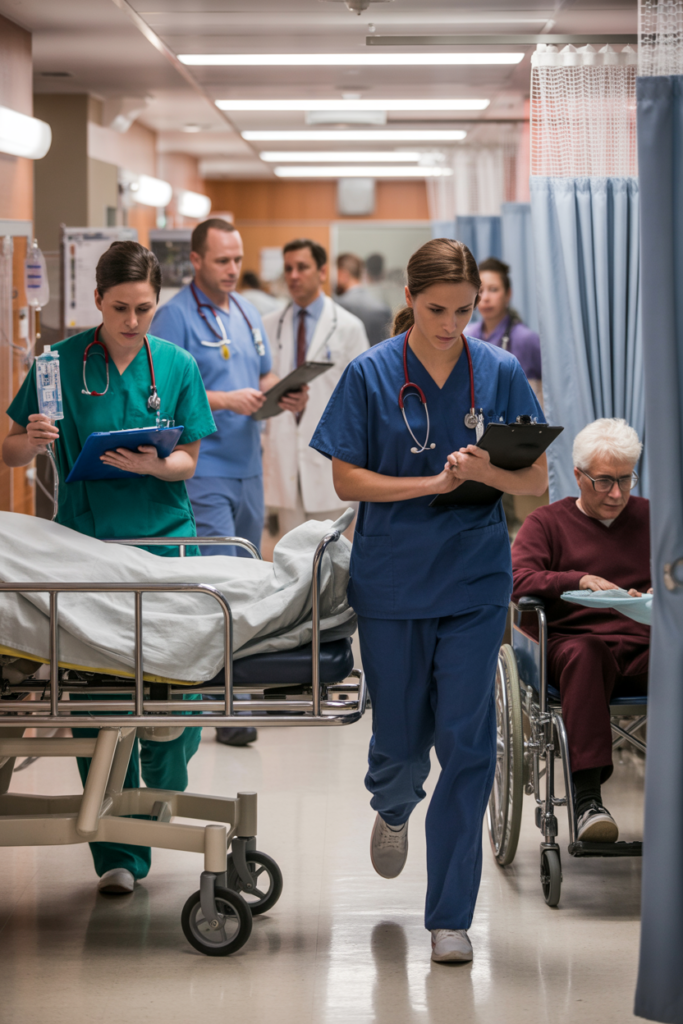
Hospitals in major urban areas are facing increasing pressure as emergency cases continue to rise, putting strain on medical staff, resources, and infrastructure. While healthcare systems have adapted to various challenges over the years, recent trends suggest that the demand for urgent care is growing faster than capacity in many regions.
Medical professionals report that emergency departments are seeing a wider range of cases, from accidents and acute illnesses to complications related to chronic conditions. This increase is not tied to a single cause but appears to reflect broader changes in population health, urban lifestyles, and access to primary care.
In many hospitals, overcrowding has become a daily reality. Patients often experience longer waiting times, and staff are required to manage multiple critical cases simultaneously. While emergency care is designed to handle urgent situations, the current volume is testing the limits of even well-equipped facilities.
Healthcare workers describe the environment as fast-paced and demanding. Doctors, nurses, and support staff must make rapid decisions while maintaining a high level of care. The emotional and physical demands of this work can be significant, particularly during peak hours when patient numbers are at their highest.
One contributing factor to the rise in emergency cases is the growing population in urban areas. As cities expand, so does the demand for healthcare services. At the same time, access to routine medical care may not always keep pace, leading some individuals to rely on emergency departments for issues that could otherwise be managed earlier.
Another factor is the increasing prevalence of chronic health conditions. Diseases such as diabetes, heart disease, and respiratory illnesses require ongoing management. When not properly controlled, these conditions can lead to sudden complications that require urgent attention.
Accidents and injuries also remain a major source of emergency visits. In densely populated areas, traffic incidents, workplace injuries, and other unexpected events contribute to the overall demand for care.
Hospitals are responding to these challenges in several ways. Some have expanded their emergency departments, added more staff, or introduced new systems to improve patient flow. Triage processes—used to prioritize patients based on the severity of their condition—have become more critical than ever.
Technology is also playing an important role. Digital health records, monitoring systems, and communication tools help medical teams coordinate care more efficiently. However, while these tools improve organization, they do not replace the need for sufficient staffing and physical resources.
One of the most significant concerns is the impact on healthcare workers. Long hours, high stress levels, and the responsibility of managing critical situations can lead to fatigue and burnout. Maintaining the well-being of medical staff is essential to ensuring the quality of care.
Patients, too, are affected by the current situation. Longer waiting times can increase anxiety, particularly for those who are already in distress. Hospitals are working to improve communication and provide clearer information to help patients understand the process.
Public health experts emphasize the importance of prevention in reducing pressure on emergency services. Encouraging regular check-ups, promoting healthy lifestyles, and improving access to primary care can help address issues before they become urgent.
Community awareness also plays a role. Understanding when to seek emergency care versus when to use other medical services can help ensure that resources are available for those who need them most.
Despite the challenges, healthcare systems continue to adapt. The dedication of medical professionals remains a key strength, allowing hospitals to respond effectively even under difficult conditions.
Looking ahead, addressing the growing demand for emergency care will require a combination of strategies. Investment in infrastructure, support for healthcare workers, and improved access to preventive care are all important components.
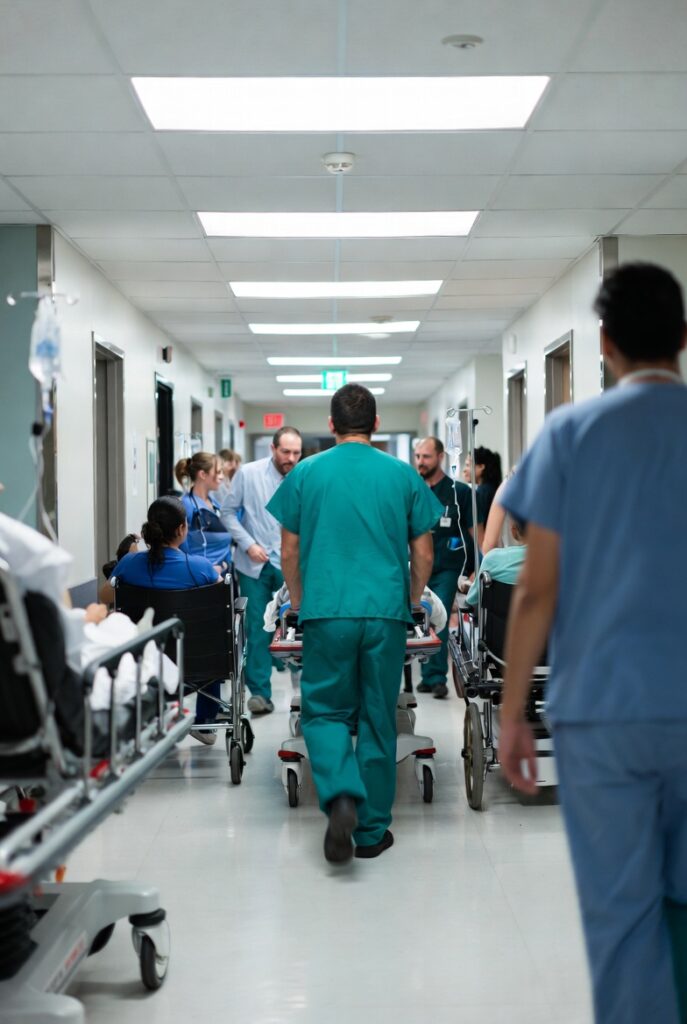
The situation highlights a broader issue: healthcare is not only about treating illness but also about managing systems that support entire communities. As urban populations continue to grow, ensuring that these systems remain effective will be a critical priority.
In the end, the increasing pressure on hospitals serves as a reminder of the importance of both individual health choices and collective responsibility. While emergency departments will always play a vital role, strengthening the overall healthcare system is essential for meeting the needs of the future.
