
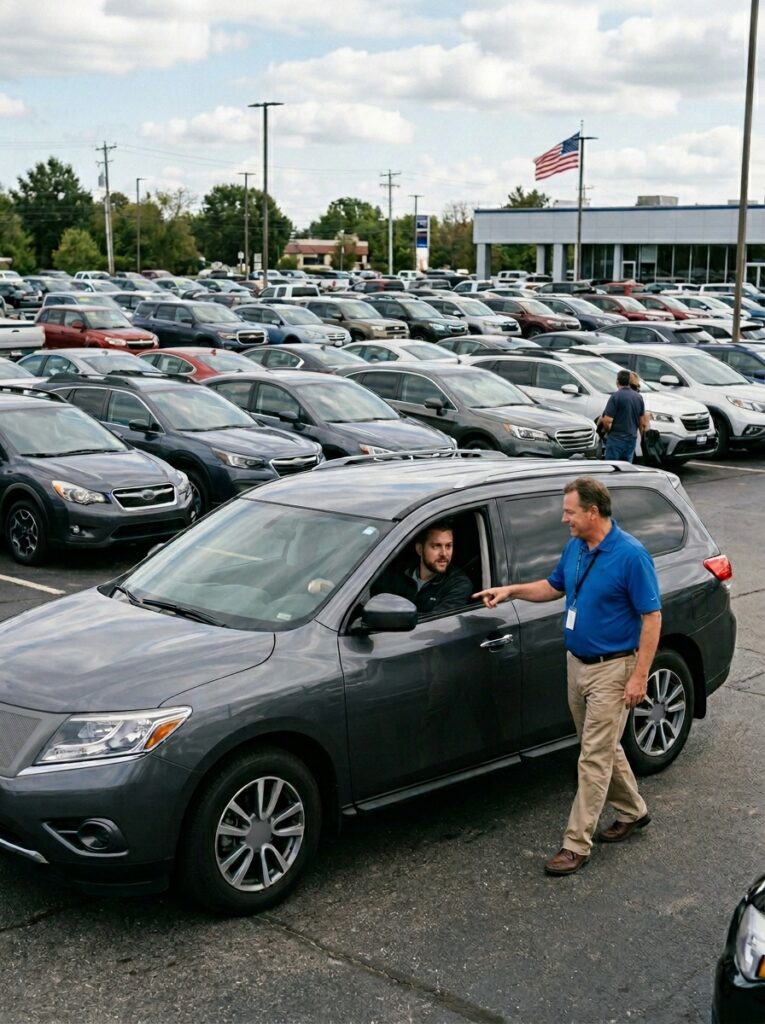
Buying a car has never been a simple decision, but in today’s rapidly evolving automotive market, it has become even more complex. With a wide range of options—from gasoline vehicles and hybrids to fully electric cars—drivers are faced with more choices than ever before. At the same time, new technologies and changing lifestyles are reshaping what people expect from their vehicles.
For everyday drivers, the challenge is not just about choosing the latest model, but selecting a car that truly fits their needs, budget, and daily routine. Understanding what really matters can make the difference between a smart investment and a costly mistake.
Understanding Your Real Needs
One of the most common mistakes buyers make is choosing a car based on trends rather than actual needs. A large SUV might look appealing, but it may not be practical for someone who primarily drives in crowded city streets. Similarly, a high-performance sports car may not be suitable for daily commuting.
Before making a decision, drivers should ask themselves a few key questions:
- How often do I drive, and for what purpose?
- Do I need space for family, cargo, or both?
- What is my realistic budget, including maintenance and fuel?
By answering these questions honestly, buyers can narrow down their options and avoid unnecessary expenses.
Sedan, SUV, or Electric? Breaking Down the Options
Sedans: Efficient and Practical
Sedans remain a popular choice for drivers who value fuel efficiency, smooth handling, and affordability. They are ideal for commuting and long-distance driving on highways.
However, sedans typically offer less cargo space and lower ground clearance compared to SUVs, which may be a limitation for some users.
SUVs and Crossovers: Versatility and Comfort
SUVs dominate today’s market for a reason. They provide more space, higher seating positions, and greater flexibility for families and outdoor activities.
Crossovers, in particular, offer a balance between comfort and efficiency. They are suitable for both city driving and occasional road trips.
The downside is that larger vehicles often consume more fuel and can be more difficult to park in tight urban spaces.
Electric Vehicles: The Modern Alternative
Electric cars are becoming increasingly attractive due to their low operating costs and environmental benefits. For drivers with predictable daily routines, EVs can be a practical and cost-effective option.
However, charging availability and upfront cost are still important factors to consider.
Safety Features: What You Should Not Ignore
Safety is no longer just about airbags and seatbelts. Modern vehicles come equipped with advanced systems designed to prevent accidents before they happen.
Some of the most important features include:
- Automatic emergency braking
- Lane departure warning
- Blind-spot monitoring
- Rearview cameras
These technologies are especially useful for new drivers and those who frequently drive in busy traffic conditions.
While these features may increase the initial price of a vehicle, they can significantly reduce the risk of accidents and provide long-term value.
Technology vs. Practicality
Modern cars are filled with technology, but not all features are equally useful. Large touchscreens, ambient lighting, and premium sound systems may enhance comfort, but they should not be the main deciding factors.
Instead, drivers should prioritize features that improve usability and safety, such as:
- Easy-to-use infotainment systems
- Reliable navigation
- Good visibility and ergonomics
A car that is simple and intuitive to operate often provides a better daily experience than one overloaded with complicated features.
Cost of Ownership: Looking Beyond the Price Tag
The purchase price is only one part of the total cost of owning a car. Many buyers underestimate ongoing expenses, which can include:
- Fuel or electricity
- Insurance
- Maintenance and repairs
- Depreciation
For example, a cheaper car with poor fuel efficiency may end up costing more in the long run than a slightly more expensive but efficient model.
Electric vehicles, while more expensive upfront, often have lower maintenance costs. Hybrid cars offer a balance between fuel savings and convenience.
Test Driving: The Most Important Step
No amount of research can replace the experience of actually driving a car. A test drive allows buyers to evaluate comfort, visibility, handling, and overall feel.
During a test drive, pay attention to:
- Seating comfort
- Noise levels inside the cabin
- Ease of parking and maneuvering
- Responsiveness of brakes and steering
A car may look perfect on paper, but the real experience can be very different.
Market Trends and Future Considerations
The automotive market is changing rapidly, influenced by environmental policies, technological advancements, and consumer preferences.
Electric vehicles are expected to become more common, while traditional gasoline engines may gradually decline. At the same time, hybrid models are likely to remain popular as a transitional solution.
Buyers should also consider resale value. Choosing a car with strong market demand can help reduce financial loss when it is time to sell.
Practical Advice for First-Time Buyers
For those purchasing their first car, the process can feel overwhelming. Here are a few simple guidelines:
- Start with a realistic budget and stick to it
- Avoid unnecessary upgrades that increase cost without real benefit
- Consider certified used cars as a cost-effective option
- Research reliability ratings and owner reviews
Most importantly, take your time. A car is a long-term investment, and rushing the decision can lead to regret.
Conclusion
Choosing the right car is not about following trends or buying the most advanced model—it is about finding a vehicle that fits your lifestyle, budget, and daily needs.
In a market filled with options, simplicity and practicality often lead to the best decisions. By focusing on what truly matters—safety, efficiency, and usability—drivers can make smarter choices and enjoy a better driving experience.