From stronger hearts and sharper minds to longer lives and healthier communities, regular movement remains one of the simplest and most powerful tools for protecting human well-being.
Across age groups, income levels and cultures, doctors, scientists and public health officials continue to return to a remarkably consistent conclusion: regular physical activity is one of the most effective ways to improve and protect health. Whether it takes the form of a morning walk, a football match after work, a swim, a cycle ride or a structured gym session, exercise helps the body and mind function better, while sports add another dimension by building discipline, teamwork and social connection.
At a time when many people spend long hours seated at desks, in cars or in front of screens, the health value of movement has become even more important. Modern life has made convenience easier, but it has also reduced the amount of physical effort built into daily routines. That shift has been linked to rising rates of obesity, heart disease, diabetes, anxiety and other chronic conditions. In response, health experts increasingly describe exercise not as an optional lifestyle upgrade, but as a basic pillar of prevention.
The most immediate benefits of exercise are often physical. When people move regularly, the heart becomes more efficient at pumping blood, the lungs work more effectively and the body improves its ability to deliver oxygen to muscles and organs. Over time, that can lower blood pressure, improve circulation and reduce the risk of cardiovascular disease. Muscles grow stronger, joints remain more mobile and bones can become denser, a particularly important factor as populations age and concerns about fractures and osteoporosis increase.
Exercise also plays a central role in controlling body weight, though specialists often stress that its value goes well beyond appearance or the number on a scale. Physical activity helps the body use energy more efficiently and supports healthier metabolism. It can reduce harmful fat accumulation, preserve lean muscle and improve the way the body handles sugar. For people at risk of type 2 diabetes, regular movement can make a major difference by improving insulin sensitivity and helping stabilize blood glucose levels.
The gains are not limited to adults. For children and teenagers, sports and exercise support healthy growth and development at a critical stage of life. Running, jumping, climbing and playing help develop coordination, balance and strength. Organized sports can also teach young people how to manage pressure, follow rules, cooperate with others and recover from disappointment. In an era of growing concern about sedentary childhoods, exercise is increasingly seen as essential not only for physical development but also for emotional resilience.
Mental health is another area where exercise has earned strong attention. People who are physically active often report lower levels of stress and better moods. Part of that effect can be explained biologically: movement stimulates the release of chemicals in the brain associated with pleasure, calm and improved focus. But the mental benefits also come from routine, confidence and a sense of progress. A person who completes a run, learns a new skill or contributes to a team victory may experience a powerful boost in self-esteem that extends beyond the playing field.
For many people, exercise provides structure in periods of instability. A daily walk can offer quiet reflection. A gym session can break up a stressful day. A basketball game can create a sense of belonging. These experiences matter because health is not simply the absence of disease; it also includes emotional stability, social support and a sense of purpose. Sports are especially valuable in this respect because they often turn exercise into a shared activity, making it easier for people to stay committed over time.
Sleep, a factor closely tied to both physical and mental health, also tends to improve with regular activity. People who exercise consistently often fall asleep more easily and experience better-quality rest. That can have a cascade of benefits: stronger concentration, more stable mood, improved immune function and reduced fatigue. In that sense, movement supports recovery not only during exercise itself but also in the hours afterward, when the body repairs and resets.
The immune system appears to benefit as well. Moderate, regular exercise is widely associated with better overall immune response and lower levels of chronic inflammation. Although intense overtraining without enough rest can have the opposite effect, balanced activity combined with proper sleep and nutrition can help the body defend itself more effectively. This is one reason doctors often encourage exercise as part of a broader healthy routine rather than as a stand-alone solution.
Sports can amplify many of these advantages by adding motivation and community. Some people struggle to stick to solitary exercise, but they are far more likely to show up for a tennis match, a football practice or a dance class because other people are expecting them. That social accountability can be powerful. Team environments can foster friendship, trust and mutual encouragement, all of which contribute to psychological well-being and long-term consistency.
There is also evidence in daily life that physically active communities often benefit in broader ways. Parks, bike lanes, sports clubs and school playgrounds can create healthier public spaces and stronger neighborhood ties. When children have safe places to play and adults have affordable opportunities to move, exercise becomes less of a personal challenge and more of a shared civic habit. In that way, the health effects of sports and exercise can extend beyond the individual to the wider society.
Still, experts note that not all exercise has to be intense, competitive or time-consuming. One of the most important public health messages in recent years has been that some movement is far better than none. Brisk walking, gardening, stretching, household chores, recreational cycling and casual games all count. For older adults, light strength work and balance exercises can be especially important in maintaining independence and preventing falls. For office workers, even short breaks from prolonged sitting can help reduce stiffness and improve energy.
That flexibility matters because one of the biggest barriers to exercise is the belief that health requires a perfect routine. In reality, sustainable habits are usually built from practical, repeatable actions. A person who walks 30 minutes most days may gain more lasting health benefits than someone who starts an extreme program and quits after two weeks. The same principle applies to sports: enjoyment often matters as much as intensity. People are more likely to continue moving when the activity feels rewarding rather than punishing.
There are, however, important cautions. Exercise works best when it is appropriate for a person’s age, fitness level and medical condition. Sudden, excessive activity can lead to injury, and some people with chronic illness need guidance from a health professional before starting vigorous programs. Warm-ups, hydration, rest and proper technique remain essential. In sports, safety equipment, coaching and fair play help ensure that the benefits outweigh the risks.
Even with those caveats, the overall picture is clear. Exercise and sports help the heart, strengthen muscles and bones, support healthy weight, improve sleep, sharpen mood and create social ties that protect long-term well-being. They can reduce the risk of serious disease while also making daily life more energetic, confident and connected. Few health interventions offer such a broad range of benefits at such a low cost.
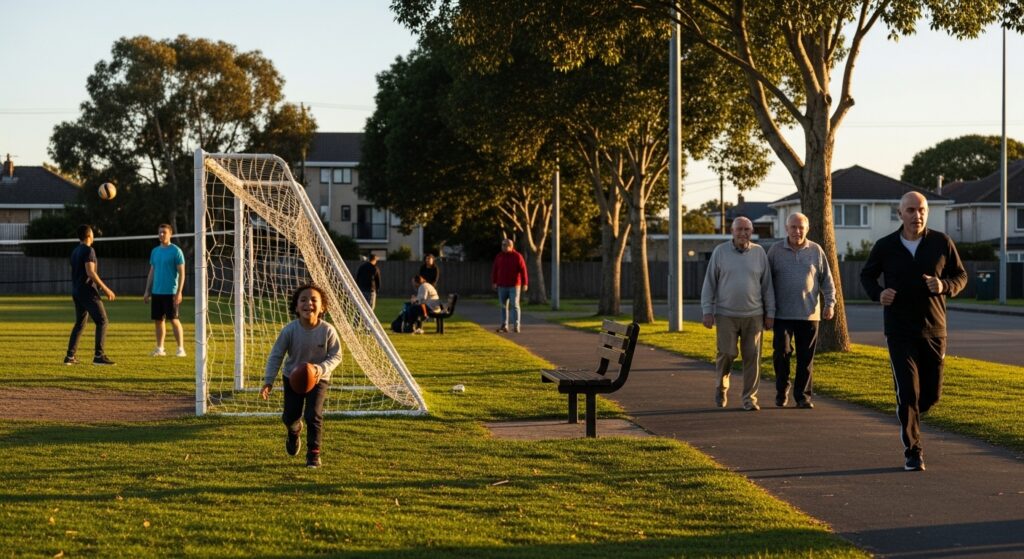
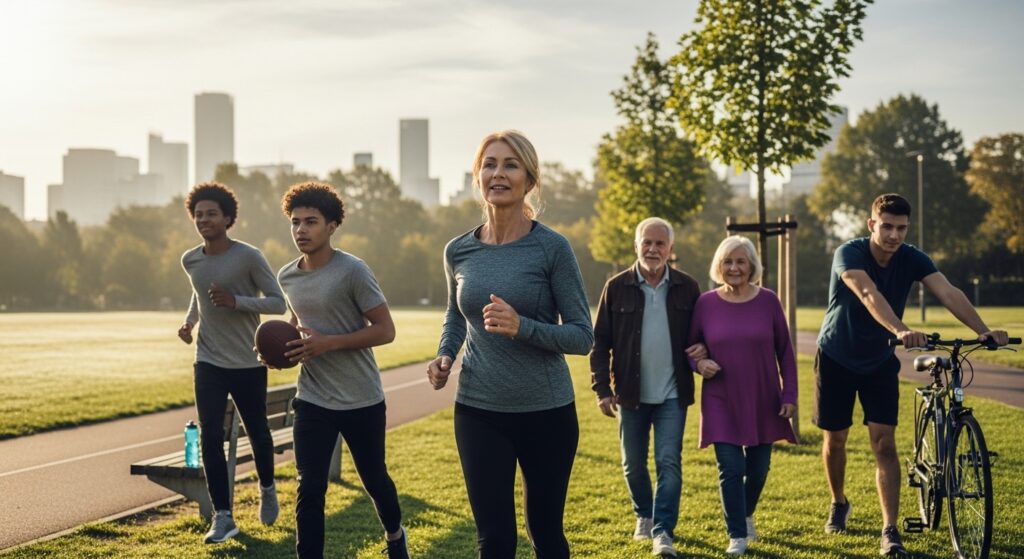
In the end, the case for exercise is not only medical but deeply human. People move for health, but they also move for joy, competition, friendship, relief and freedom. A child chasing a ball, an older couple walking at sunset, a runner training before dawn and a group of friends playing volleyball in the park are all participating in the same essential act: using movement to sustain life. In a world increasingly designed for stillness, exercise and sports remain a simple reminder that the body is built to move, and that health often begins with that motion.