From luxury spas and mountain retreats to sleep clinics, yoga resorts and nature-based escapes, wellness travel is expanding far beyond indulgence, reshaping one of the fastest-growing corners of the global tourism industry.
Wellness tourism, once viewed largely as a niche market for affluent travelers seeking spa holidays and detox programs, is entering a more mainstream phase of global travel. As consumers place greater value on physical recovery, mental well-being, sleep quality and preventive health, travel companies, hotels, destinations and investors are racing to capture demand for trips that promise more than sightseeing. The result is a powerful shift in the travel economy: people are no longer traveling only to escape daily life, but increasingly to repair, rebalance and return home feeling better than when they left.
The trend has become strong enough to redraw tourism strategies across regions. Resorts that once marketed beach views and fine dining now promote stress reduction, nutrition coaching and guided movement. City hotels are adding recovery rooms, meditation spaces and sleep-focused amenities. Airlines, cruise operators and tour companies are experimenting with products tied to mindfulness, fitness and longevity. Governments, too, are paying closer attention, seeing wellness travel as a way to attract higher-spending visitors, extend stays and spread tourism beyond overcrowded urban landmarks.
Industry research suggests the growth is no passing fad. The Global Wellness Institute said wellness tourism expenditures reached $894 billion in 2024, underscoring the sector’s rebound and continued expansion after the pandemic shock. In the institute’s wider reading of the market, wellness tourism is now one of the most dynamic segments in a broader wellness economy that hit a record $6.8 trillion in 2024. The numbers reflect more than a luxury boom. They point to a consumer shift in which health, recovery and self-care are becoming central motivations for travel decisions.
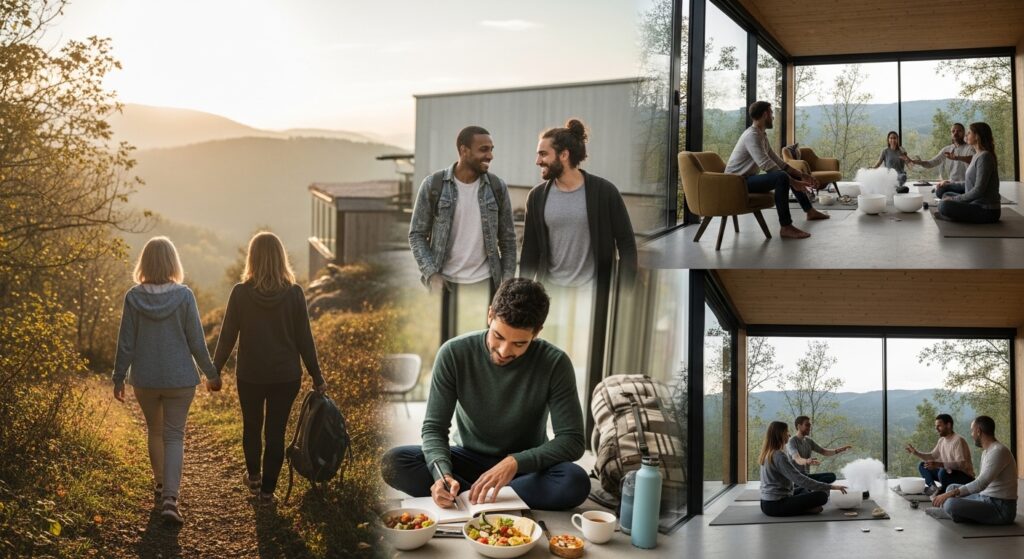
Part of the momentum comes from how broadly wellness is now defined. A wellness trip no longer needs to involve a secluded spa or a week of expensive treatments. It may mean hiking in a forest, staying at a thermal resort, booking a retreat focused on sleep, joining a surf-and-yoga program, or choosing a hotel because it offers healthier food, quiet rooms and fitness classes. The market has widened because the idea of wellness has widened with it. Travelers are increasingly linking holidays not only to pleasure and status, but to resilience, mental clarity and better habits.
The pandemic years helped accelerate that shift, but they did not create it alone. Even before the global health crisis, travel companies were experimenting with offerings tied to mindfulness, active lifestyles and personalized health. What changed after the pandemic was the scale of consumer interest. Long periods of stress, isolation and uncertainty left many travelers more willing to spend on experiences that promised restoration. At the same time, remote and hybrid work made it easier for some consumers to combine rest, work and self-care in longer trips. Wellness travel began to overlap with work-from-anywhere habits, slow travel and the wider search for meaning and balance.
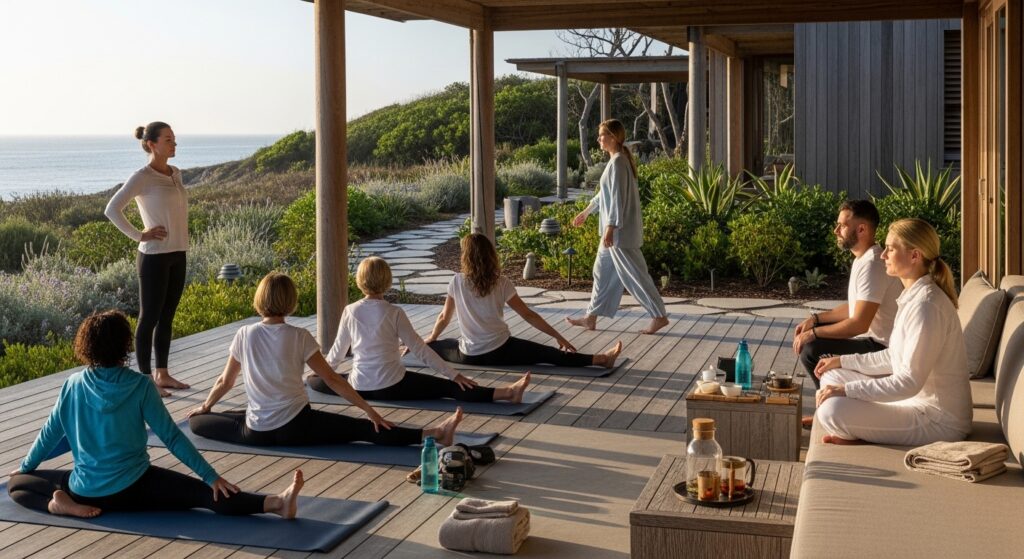
This has opened the door to a new generation of wellness products. Sleep tourism has become one of the most talked-about examples, as hotels and retreats market blackout rooms, circadian lighting, sound therapy and sleep coaching to travelers exhausted by screen-heavy modern life. Elsewhere, active wellness is gaining ground through hiking, cycling, breathwork, cold-water immersion and sports-based retreats. Thermal and mineral springs, long important in parts of Europe and Asia, are being rediscovered by younger consumers as both heritage experiences and contemporary recovery tools. In coastal destinations, the language of wellness now often blends with surfing, open-water swimming and nature immersion rather than only spa menus.
Mental health has become especially influential in the sector’s expansion. Travel providers increasingly describe wellness not just in terms of body treatments, but in terms of calm, emotional reset and reduced burnout. That makes wellness tourism attractive to a much broader audience than traditional spa guests. A traveler may not identify as part of the wellness market, yet still choose a quiet forest lodge, a digital-detox weekend or a retreat designed around stress management. In that sense, wellness tourism is growing partly because it has become less exclusive in its identity, even if many premium products remain expensive.
Destinations see clear economic advantages. Wellness travelers often spend more than average tourists, stay longer and seek curated experiences involving food, nature, movement and local culture. That can help destinations diversify revenue and reduce dependence on crowded, seasonal sightseeing. Rural and secondary destinations may benefit in particular, since many wellness experiences depend on landscape, space and a sense of calm rather than famous monuments. Thermal towns, mountain regions and coastal communities are therefore repositioning themselves not only as holiday escapes but as places of recovery and preventive well-being.
Yet the rapid growth of wellness tourism also raises difficult questions. One is affordability. Much of the most visible wellness travel remains tied to luxury branding, and some high-end programs carry prices that place them well beyond the reach of ordinary travelers. Another concern is credibility. As the market grows, so does the temptation for “wellness-washing,” in which standard tourism products are rebranded as wellness experiences with little substance behind the marketing. A hotel can add herbal tea and a yoga mat to a room, but that does not necessarily make it a meaningful health-focused retreat.
Science and safety are another area of scrutiny. Some wellness travel offerings, especially those marketed around longevity, biohacking or light medical-style interventions, move into a grey zone between hospitality and health care. Treatments such as IV drips, extreme detox programs or loosely regulated performance therapies may appeal to consumers seeking fast results, but they also invite concerns from doctors and regulators. The growth of the sector is therefore likely to increase pressure for clearer standards, more transparent claims and better differentiation between evidence-based programs and fashionable but weakly supported services.
Environmental pressure is also part of the equation. Wellness tourism often presents itself as a gentler, more conscious form of travel, yet long-haul flights, resort construction and water-intensive spa infrastructure can carry heavy ecological costs. That tension is becoming harder to ignore. If wellness travel is marketed as a route to personal renewal while contributing to environmental strain, the contradiction will become more visible to travelers and policymakers alike. Some operators are responding by emphasizing local sourcing, lower-impact design and stronger links between personal well-being and ecological stewardship.
For the travel industry, however, the underlying demand looks durable. UN Tourism data show international travel continued to grow through 2025, providing a favorable backdrop for specialized segments such as wellness tourism. At the same time, consumer trend research suggests travelers increasingly value active, immersive experiences that support well-being rather than passive luxury alone. That helps explain why wellness is spreading into more corners of travel: not just destination spas, but city breaks, multigenerational trips, outdoor adventures and even business travel.
The future of wellness tourism may therefore depend less on exclusivity than on integration. The sector’s strongest growth could come not only from elite clinics and ultra-luxury retreats, but from ordinary travel products redesigned around better sleep, healthier food, movement, nature access and emotional balance. In that version of the market, wellness becomes less a premium add-on and more a new operating logic for hospitality.
For now, the direction is unmistakable. Wellness tourism is growing because it aligns with a deeper shift in consumer priorities. Travelers still want pleasure, discovery and escape, but they increasingly want those things to coexist with recovery, energy and long-term health. The destinations and brands most likely to win are those that understand this balance and can deliver it credibly. The boom in wellness travel is not simply about pampering. It is about a global tourism industry adapting to a world in which feeling well has become one of the most valuable experiences money can buy.