From step counts and sleep scores to heart rhythm alerts, wearable devices are becoming more sophisticated and more common, but the evidence suggests they work best as behavior tools and screening aids, not as substitutes for medical care.
Wearable technology has moved from the margins of fitness culture into the center of consumer health. Smartwatches, fitness bands, smart rings and sensor-equipped patches now promise to track movement, sleep, heart rate, stress, recovery and, increasingly, potential signs of disease. For consumers, the appeal is obvious: a health monitor that sits quietly on the wrist or finger, gathering data all day and turning the body into something measurable.
The central question, however, is more complicated than the marketing. Can wearable technology really improve health, or does it mainly create the appearance of control?
The most evidence-based answer is that wearables can improve health under certain conditions, but usually in indirect ways. They appear most useful when they help people change behavior, stick to goals, notice patterns early or bring more information into conversations with clinicians. They are far less reliable when treated as diagnostic machines, miracle motivators or universal solutions to complex medical problems.
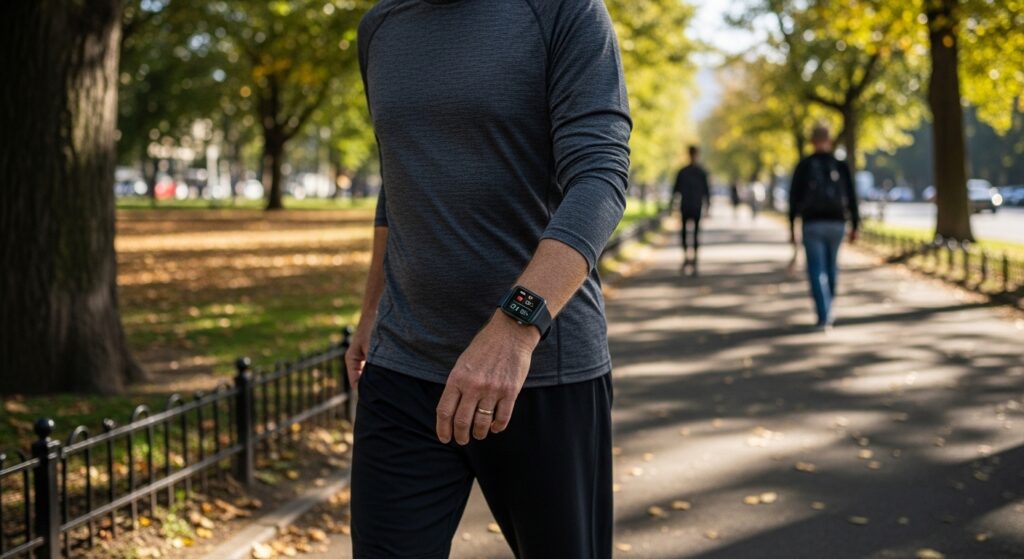
The strongest case for wearables is physical activity. Devices that count steps, minutes of exercise, heart rate zones and sedentary time can make invisible habits visible. That matters because many people consistently overestimate how active they are. A wearable creates a feedback loop: it shows the user what happened, what did not happen and whether a goal is realistic. Recent evidence reviews suggest wearable-based interventions can increase physical activity, including among older adults, although the size of the benefit varies and long-term adherence remains a challenge. In other words, trackers can help people move more, but they do not guarantee that they will keep doing so forever. :contentReference[oaicite:0]{index=0}
That distinction is important. Health improvement rarely comes from data collection alone. A step count becomes meaningful only if it leads to a walk after dinner, a more consistent exercise routine or less time sitting. For some users, the reminder to stand up or close an activity ring is enough to create healthier habits. For others, the device becomes background noise within weeks. Studies and expert commentary have long warned that the gap between tracking behavior and changing behavior is substantial. The wearable is a tool, not the behavior itself. :contentReference[oaicite:1]{index=1}
Sleep is another area where wearables have become influential. Consumer devices now estimate sleep duration, timing, stages and disruptions with increasing sophistication. Professional sleep researchers note that modern consumer-grade wearables can perform well for tracking general sleep patterns and, in some cases, exceed traditional actigraphy in certain assessments when compared with polysomnography standards. But “perform well” does not mean “perfect,” and it does not mean that every sleep score should be treated as medical truth. These devices are better at helping users spot broad trends — going to bed too late, sleeping irregularly, waking often — than at diagnosing sleep disorders on their own. :contentReference[oaicite:2]{index=2}
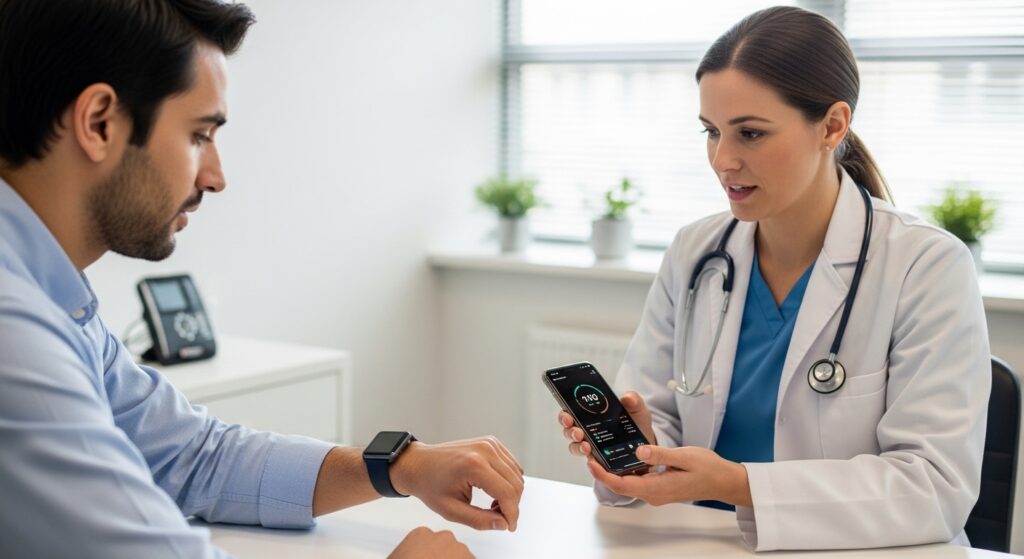
Where wearables have made perhaps their most dramatic entrance is heart rhythm monitoring. Smartwatches with photoplethysmography sensors and, in some devices, built-in ECG functions can detect possible atrial fibrillation and alert users to irregular heart rhythms. Cardiology experts say consumer-grade devices show very high sensitivity and specificity for atrial fibrillation, which means they can be genuinely useful in identifying a condition that often goes unnoticed and can raise stroke risk. This is one of the clearest examples of a wearable providing information that may change medical care. :contentReference[oaicite:3]{index=3}
But even here, the story is not simple. Accuracy depends on the condition being measured. Devices that perform well for atrial fibrillation can perform poorly for regular rhythm arrhythmias or produce inconclusive results that require clinical review. Official guidance around ECG apps and AFib-related features repeatedly stresses that these tools are not intended to replace diagnosis or treatment and should not be used as a stand-alone basis for medical decisions. That caveat is not legal fine print; it is the core limitation of consumer wearables. They can flag a signal. They cannot provide the full clinical context needed to interpret it. :contentReference[oaicite:4]{index=4}
This tension between useful monitoring and overinterpretation runs through the entire wearable industry. A smartwatch may detect an abnormal pattern that prompts a doctor’s visit and ultimately leads to beneficial treatment. It may also generate a false alarm that causes anxiety, unnecessary testing or confusion. A low “readiness” score may encourage rest after poor sleep, which could be sensible. It may also lead healthy users to let an algorithm define how they feel, even when the underlying metric is poorly understood. The same technology that increases awareness can also encourage hypervigilance.
The mental side of health tracking is therefore mixed. Some people find that seeing data helps them feel more accountable and more in control. Others become preoccupied with fluctuations that may be normal. Sleep researchers and psychologists have increasingly described the risk that relentless self-monitoring can distort rather than improve well-being, especially when users start treating imperfect consumer metrics as judgments rather than approximations. The benefit depends not only on the device, but on the person using it and the way the feedback is framed.
There is also the question of equity. The American Heart Association said in a 2025 scientific statement that mobile health technologies, including wearables, have shown potential to help people start and maintain heart-healthy behaviors such as healthier eating, increased physical activity, smoking cessation and sleep monitoring. But it also warned that the people most affected by adverse social drivers of health often face barriers to accessing these technologies. A tool that helps one person improve blood pressure through coaching and reminders is of limited public-health value if it remains expensive, digitally confusing or poorly integrated into care for those who might benefit most. :contentReference[oaicite:5]{index=5}
That broader perspective matters because health outcomes are shaped by more than individual dashboards. A wearable cannot solve food insecurity, unsafe neighborhoods, lack of time for exercise, poor access to healthcare or the cost of medication. It may help a motivated user manage around those constraints, but it cannot remove them. This is one reason wearable technology often looks more powerful in product demonstrations than in population-level health data.
Even so, dismissing wearables as glorified pedometers would miss what has changed. The field is maturing. The World Health Organization has been working with experts on the use of wearable sensor technology to measure physical activity more accurately in populations, reflecting a wider recognition that these devices can generate useful, objective data. Researchers are also using wearables in studies of aging, disease prevention and health promotion because they can capture real-world behavior continuously rather than relying only on memory or occasional clinic visits. :contentReference[oaicite:6]{index=6}
The most realistic conclusion is that wearable technology can improve health, but mainly when it supports evidence-based actions. It can nudge people to walk more, sleep more regularly, notice possible rhythm disturbances, document symptoms, monitor recovery and stay engaged with health goals. It can also help clinicians, researchers and health systems gather more continuous information than traditional appointments allow. What it cannot do is replace exercise, balanced nutrition, medication adherence, clinical judgment or the social conditions that shape health in the first place.
For consumers, the practical lesson is straightforward. A wearable is worth treating as a coach, recorder and early-warning device, not as an oracle. Its best use is not to pronounce whether a person is healthy, but to reveal trends that can guide decisions. If the data encourages better habits and prompts appropriate medical follow-up when something looks wrong, it may well improve health. If it creates obsession, confusion or false reassurance, it may do the opposite.
That makes wearable technology neither a revolution nor a gimmick. It is something more ordinary and, perhaps, more durable: a potentially helpful layer in modern health management, valuable when used with realism, limited when used with faith, and most effective when the numbers on the screen lead to meaningful action in the real world.