

In a world defined by constant consumption, rapid technological change, and endless choices, a growing number of people are beginning to move in the opposite direction. Instead of accumulating more, they are choosing to own less. This shift toward minimalism is not just about decluttering physical space—it reflects a deeper desire to simplify life, reduce stress, and focus on what truly matters.
Minimalism, once seen as a niche lifestyle, is now becoming a broader cultural movement. It is being embraced by individuals from different backgrounds, not as a strict rulebook, but as a flexible approach to living with intention. At its core, minimalism is about removing excess in order to make room for clarity, purpose, and meaningful experiences.
One of the main reasons for the rise of minimalism is the increasing feeling of overwhelm in modern life. With constant notifications, busy schedules, and the pressure to keep up with trends, many people feel mentally and emotionally overloaded. Physical clutter often reflects this internal state, creating environments that add to stress rather than reduce it.
By simplifying their surroundings, individuals often find it easier to think clearly and feel more in control. A clean, organized space can have a calming effect, making it easier to focus on daily tasks and long-term goals. This is why minimalism is often associated not only with aesthetics but also with mental well-being.
The financial aspect of minimalism is another important factor. In a consumer-driven society, people are frequently encouraged to buy more—new gadgets, new clothes, new experiences. Over time, this can lead to unnecessary spending and financial pressure. Minimalism encourages more mindful consumption, where purchases are made with intention rather than impulse.
This does not mean avoiding spending altogether. Instead, it involves prioritizing value over quantity. People who adopt minimalist habits often choose fewer but higher-quality items that last longer and serve a clear purpose. This approach can lead to greater satisfaction and reduced waste.
Digital life is also being reexamined through the lens of minimalism. Just as physical spaces can become cluttered, so can digital environments. Endless apps, notifications, emails, and social media feeds compete for attention, making it difficult to stay focused.
Digital minimalism involves setting boundaries with technology—limiting screen time, reducing unnecessary apps, and being more intentional about online interactions. For many, this creates a sense of freedom and allows them to reconnect with offline activities.
Another key aspect of minimalism is time management. Modern lifestyles often involve packed schedules, leaving little room for rest or reflection. By reducing unnecessary commitments and focusing on priorities, individuals can create more time for activities that truly matter.
This might include spending time with family, pursuing hobbies, or simply resting. In this sense, minimalism is not about doing less for the sake of it, but about making space for what is meaningful.
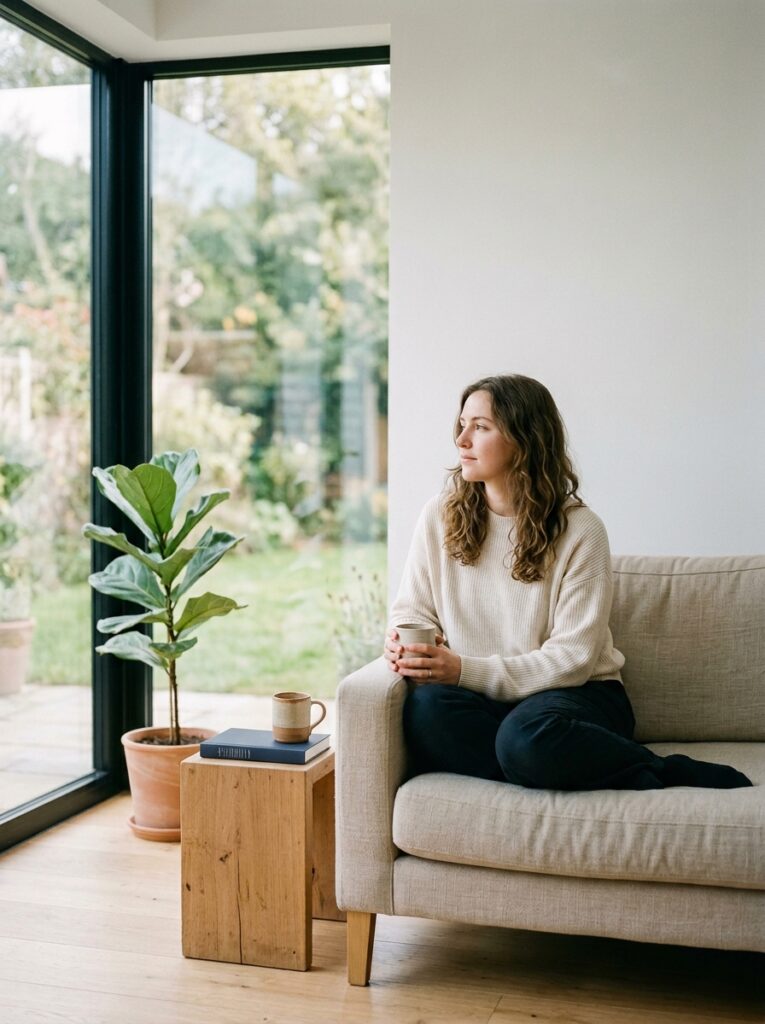
The influence of minimalism can also be seen in design and architecture. Clean lines, neutral colors, and functional spaces are becoming increasingly popular. These environments are designed to reduce distraction and create a sense of calm.
However, minimalism is not without its criticisms. Some argue that it can become another form of pressure, where individuals feel the need to achieve a “perfect” minimalist lifestyle. Others point out that minimalism may not be accessible to everyone, particularly those who face economic or practical constraints.
It is important to recognize that minimalism is not about strict rules or extreme reduction. It is a personal approach that can be adapted to different lifestyles and needs. For some, it may involve decluttering a home; for others, it may mean rethinking priorities or simplifying daily routines.
The emotional aspect of letting go is often one of the most challenging parts of minimalism. Objects can carry memories and attachments, making it difficult to decide what to keep and what to release. This process requires reflection and, in many cases, a shift in mindset.
Rather than focusing on what is being removed, many people find it helpful to focus on what they are gaining—more space, more clarity, and more freedom. Over time, this perspective can make the process feel less like loss and more like transformation.
Minimalism also encourages a shift away from external validation. In a culture where success is often measured by possessions and appearances, choosing to live with less can feel unconventional. However, it also allows individuals to define success on their own terms.
This shift is particularly relevant in the age of social media, where curated images of lifestyles can create unrealistic expectations. Minimalism offers an alternative perspective, one that values authenticity over appearance.
Looking ahead, minimalism is likely to continue influencing how people approach lifestyle. As awareness of sustainability grows, reducing consumption and waste will become increasingly important. Minimalist principles align closely with environmental concerns, promoting more responsible use of resources.
At the same time, the concept of minimalism will continue to evolve. It may take different forms, blending with other lifestyle trends such as slow living, mindfulness, and intentional design. What remains consistent is the underlying idea of living with purpose.
In the end, minimalism is not about having less for the sake of it—it is about making room for more of what truly matters. In a world filled with noise and complexity, the ability to simplify may be one of the most valuable skills a person can develop.
