
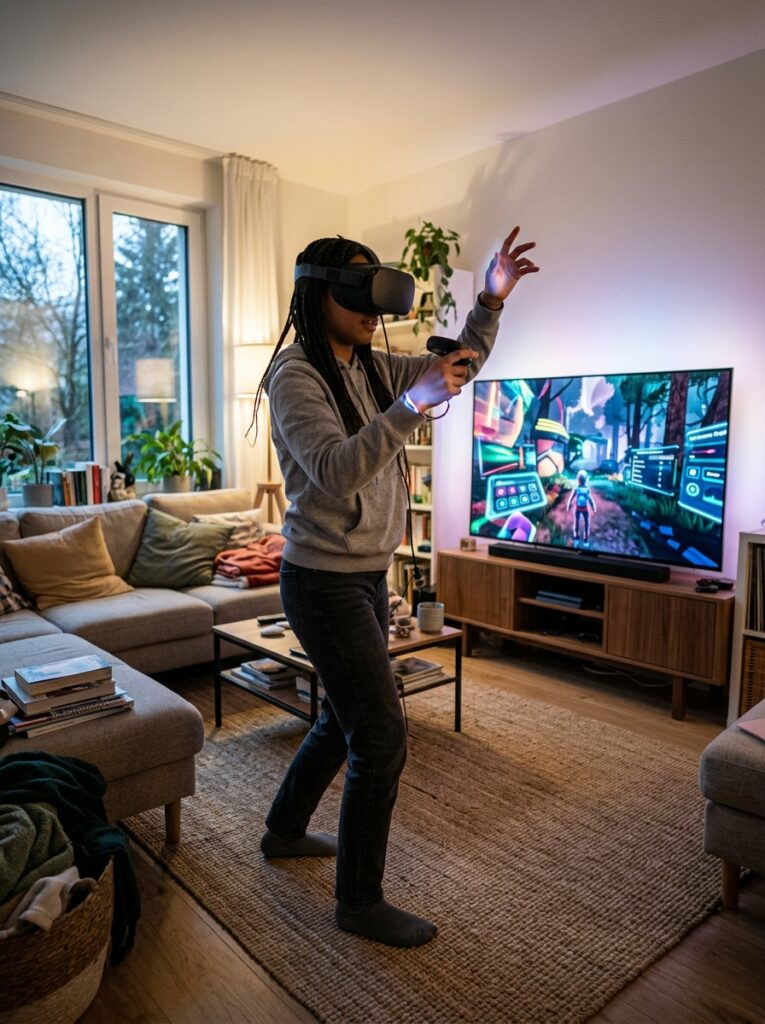
Entertainment is no longer a one-way experience. For decades, audiences consumed content passively—watching films, listening to music, or following television shows without influencing the outcome. Today, that model is changing rapidly. A new form of entertainment is emerging, one where audiences are not just viewers but active participants in the experience.
This shift is driven by technology, changing expectations, and the growing desire for deeper engagement. Interactive entertainment, once limited to video games, is now expanding into multiple forms of media, reshaping how stories are told and experienced.
At the center of this transformation is the idea of control. Modern audiences expect more than just watching a story unfold—they want to influence it. Interactive films, live-stream events, and digital platforms now allow users to make choices that affect narratives in real time. This level of involvement creates a sense of ownership, making the experience more personal and memorable.
Streaming platforms have experimented with interactive storytelling, offering viewers the ability to choose different plot directions. While still relatively new, this format highlights a growing trend: audiences want agency. Instead of being guided through a fixed storyline, they prefer experiences that adapt to their decisions.
Gaming has played a major role in shaping these expectations. Video games have long offered interactive narratives, allowing players to explore worlds, make decisions, and experience consequences. As gaming becomes more mainstream, its influence extends into other forms of entertainment.
Live streaming has also contributed to this shift. Platforms where creators broadcast content in real time allow audiences to interact directly through comments, reactions, and even direct participation. This creates a dynamic environment where content evolves based on audience input.
For creators, this presents both opportunities and challenges. On one hand, interactive entertainment allows for deeper engagement and stronger connections with audiences. On the other hand, it requires new approaches to storytelling. Writers, directors, and producers must think beyond linear narratives and consider multiple possible outcomes.
This complexity changes the creative process. Instead of crafting a single storyline, creators design systems that can respond to user choices. This requires careful planning to ensure that each possible path remains meaningful and coherent.
At the same time, not all audiences are looking for full control. Many still prefer traditional storytelling, where they can relax and follow a carefully crafted narrative. This highlights an important balance in modern entertainment: offering interaction without overwhelming the viewer.
Technology continues to expand what is possible. Virtual reality (VR) and augmented reality (AR) are pushing the boundaries of immersion, allowing users to step inside stories rather than simply observe them. These technologies create environments where audiences can interact with characters, objects, and settings in ways that feel almost real.
Artificial intelligence is also beginning to influence interactive experiences. AI can adapt content in real time based on user behavior, creating personalized narratives that evolve with each interaction. While still in development, this approach has the potential to redefine storytelling entirely.
Despite its potential, interactive entertainment faces several limitations. Accessibility remains a challenge, as advanced technologies like VR require specialized equipment. Additionally, creating high-quality interactive content is often more expensive and time-consuming than traditional production.
There is also the question of engagement fatigue. Constant interaction can be exhausting, and not every viewer wants to make decisions while consuming content. For some, entertainment is a form of escape, not a task.
Another concern is the impact on storytelling depth. When narratives branch into multiple paths, maintaining strong character development and emotional impact becomes more difficult. Balancing freedom of choice with meaningful storytelling is one of the biggest challenges creators face.
Even so, the demand for interactive experiences continues to grow. Younger audiences, in particular, are drawn to formats that allow them to participate rather than observe. This reflects broader changes in digital culture, where interactivity is a standard expectation.
The rise of interactive entertainment also reflects a deeper shift in how people relate to media. Audiences no longer see themselves as passive consumers. They want to engage, influence, and be part of the experience. This changes the relationship between creators and viewers, making it more collaborative.
In many ways, this transformation mirrors the evolution of communication in the digital age. Just as social media allows users to create and share content, interactive entertainment allows them to shape the content they consume.
Looking ahead, the future of entertainment will likely involve a combination of traditional and interactive formats. Linear storytelling will remain important, especially for complex narratives and artistic expression. At the same time, interactive elements will continue to expand, offering new ways to engage audiences.
The key will be balance. Too much control can overwhelm the audience, while too little may fail to meet modern expectations. Successful entertainment will find ways to integrate interactivity without losing the emotional core of storytelling.
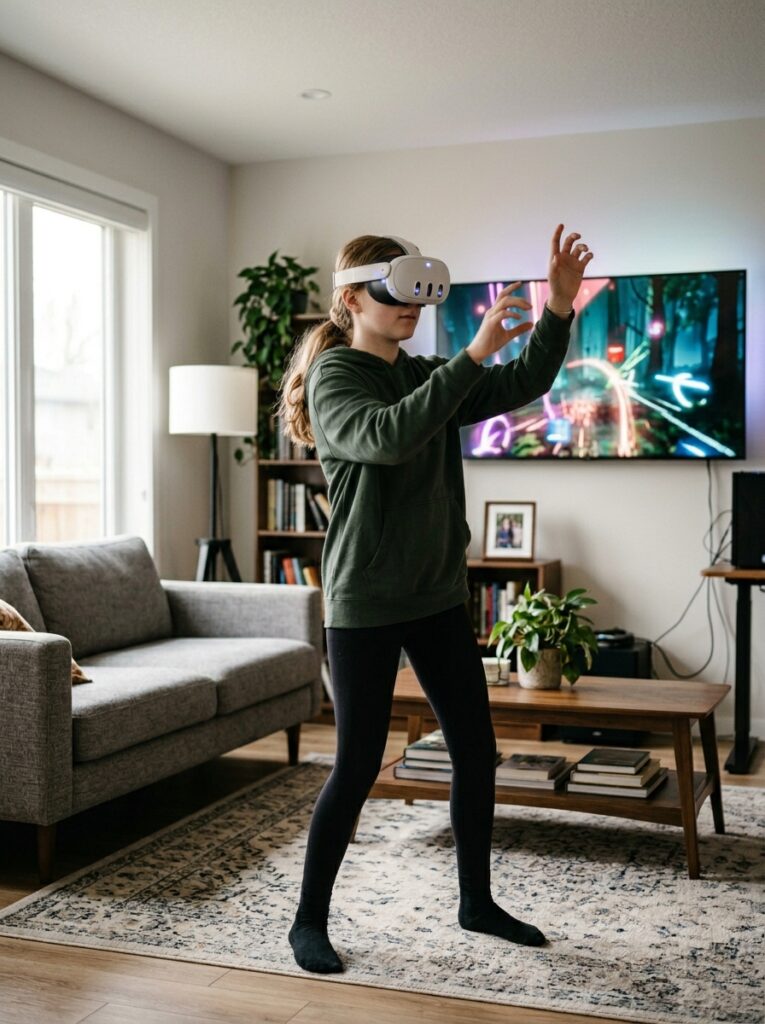
In the end, the rise of interactive entertainment is not just about technology—it is about experience. It reflects a growing desire for connection, participation, and meaning in how people engage with stories.
As audiences continue to seek deeper involvement, the line between creator and viewer will continue to blur. And in that space, a new form of entertainment is taking shape—one where the story is no longer just told, but shared.
