For U.S. shoppers entering the market in 2026, the ideal vehicle is not the flashiest or the most futuristic. It is the one that feels worth the money, easy to live with and dependable in a costly, uncertain economy.
American drivers are often portrayed as divided between old habits and new technology, between the gasoline past and the electric future. But when they actually shop for their next car, their priorities look far less ideological and far more practical. What most buyers appear to want now is not a statement vehicle. It is a sensible one.
That starts with price. In an era of elevated monthly payments, expensive insurance, stubborn repair costs and lingering anxiety about interest rates, affordability has become the defining filter through which nearly every other vehicle feature is judged. A driver may admire a large touchscreen, a panoramic roof or the promise of hands-free software updates, but those things matter less if the payment feels punishing. For many households, the next car is being chosen less as an aspiration than as a balancing act.
This pressure is reshaping the market in visible ways. Buyers are spending more time comparing new and used models, reconsidering whether they really need larger vehicles and paying closer attention to long-term ownership costs. Fuel economy matters not only because Americans care about efficiency, but because efficiency is now tied directly to household stability. The more uncertain people feel about the broader economy, the more they want a car that protects them from unwelcome surprises.
Reliability sits just behind affordability, and in many cases it is inseparable from it. What drivers really want is not merely a lower purchase price. They want confidence that the vehicle will not become an expensive problem six months later. That means fewer breakdowns, predictable maintenance, strong resale value and a brand reputation that inspires trust. Innovation still has appeal, but trust remains the deciding factor for mainstream buyers. A vehicle that feels proven often has an advantage over one that feels exciting but uncertain.
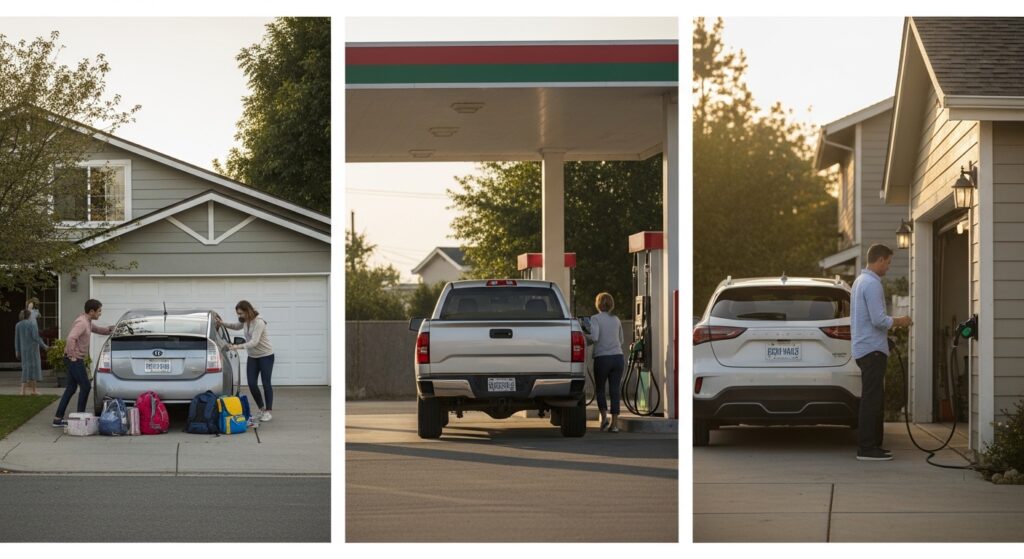
This is one reason hybrids have gained momentum in the American imagination. They offer a compromise that many buyers find intuitively appealing: better fuel economy without the behavioral shift required by a fully electric vehicle. A hybrid does not ask a family to rethink road trips, garage access, apartment parking or charger availability. It offers a bridge between old habits and new expectations. For a large segment of U.S. drivers, that bridge looks less like hesitation and more like common sense.
Electric vehicles continue to attract interest, particularly among buyers who have home charging, shorter or more predictable commutes and a strong interest in reducing fuel costs. But the average American driver still tends to approach the EV question through the lens of practicality. Can I charge at home? Will this work on long trips? What happens if the battery needs service? Is the upfront cost worth it? The issue is no longer whether electric cars are real products for real people. They are. The issue is whether they fit the routines of the specific person standing in the showroom.
Gas-powered vehicles, meanwhile, retain a stubborn relevance that should not be mistaken for nostalgia. They remain familiar, flexible and widely serviceable. For buyers in rural areas, for people who regularly drive long distances, and for households simply trying to minimize complexity, gasoline still offers reassurance. In many parts of the country, the future may be electrified in theory, but the present still runs on convenience.
Beyond powertrain, American drivers also want usability. They want cabins that make sense, controls that do not feel overdesigned and technology that helps rather than distracts. The industry spent years chasing the idea that more screens automatically meant more progress. But many drivers still value simple physical logic: easy climate controls, clear visibility, comfortable seats, decent storage, intuitive infotainment and safety features that are useful without becoming intrusive. The most impressive interior is often not the most futuristic one, but the one that reduces friction in daily life.
Safety remains central, though buyers increasingly define it in broad terms. Crash protection still matters, as do blind-spot warnings, rear cross-traffic alerts and driver-assistance systems. But safety also means confidence. It means knowing the vehicle behaves predictably in rain, traffic, highway merges and school pickup lines. It means trusting that technology will support the driver without overwhelming the driver. Many Americans appear open to advanced features, but less enthusiastic about being turned into unpaid beta testers for overly ambitious automation.
There is also a clear emotional dimension to what drivers want, even when they describe their priorities in practical language. Americans still want their next car to feel like an upgrade. They want comfort. They want quiet. They want better ride quality, cleaner design and the sense that they made a smart move. In a difficult economy, buyers do not necessarily want extravagance, but they do want dignity. They want a car that feels modern without feeling wasteful, and capable without feeling indulgent.
Brand loyalty is weaker than it once was, which creates both risk and opportunity for automakers. Many buyers are more willing to switch than in the past, especially if another brand offers a stronger combination of quality, value and fuel savings. That makes reputation important, but not untouchable. A company can no longer rely only on legacy. It has to prove that its vehicles meet today’s demands, not yesterday’s identity.
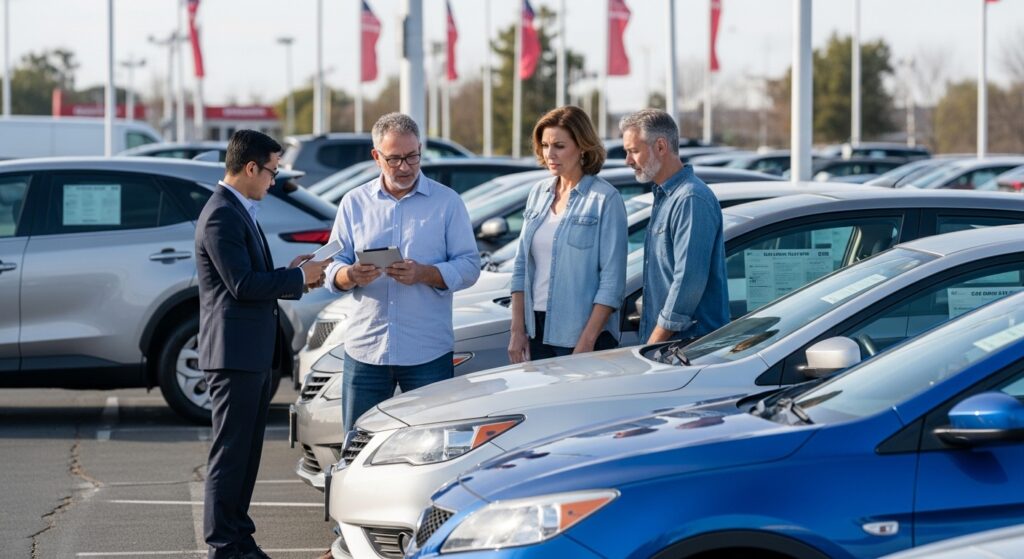
The buying process itself is changing too, and what drivers want there is strikingly consistent: less friction, more transparency and more control. American shoppers increasingly expect to do more online, especially when researching incentives, comparing payments, valuing trade-ins and exploring financing options. But that does not mean they want a purely digital purchase. Many still want to see the vehicle in person, sit inside it and test-drive it before making a decision. The ideal retail experience is becoming neither fully online nor fully traditional. It is flexible, fast and honest.
That demand for transparency extends beyond price. Buyers want to understand what they are paying for, what a feature package truly includes, how a warranty works and how much ownership is likely to cost after the first year. Hidden fees, vague markups and confusing trim structures erode trust quickly. In a competitive market, clarity itself has become a selling point.
American drivers also want vehicles that match their actual lives rather than an imagined lifestyle. The ideal family vehicle may not be rugged, but easy. The ideal commuter car may not be powerful, but efficient and comfortable in traffic. The ideal pickup may not be the biggest one on the lot, but the one that can do real work without destroying the monthly budget. For years, the industry often sold aspiration first and practicality second. In 2026, practicality is moving back to the front.
What emerges from all of this is a portrait of the American driver that is less contradictory than it first appears. Buyers are open to new technology, but only when it solves real problems. They are interested in efficiency, but not at any price. They are willing to switch brands, but only if trust is earned. They appreciate convenience, but still want a human sense of control. Above all, they want value in the deepest sense of the word: not simply low cost, but a feeling that the next car will justify its place in their lives.
That may be the clearest lesson for automakers. The next vehicle Americans want is not defined by one powertrain or one trend. It is defined by relief. Relief from high fuel bills, from mechanical uncertainty, from digital overcomplication, from opaque pricing and from the feeling that every purchase has become harder to defend. The winning vehicle in 2026 is the one that makes life easier, not the one that shouts the loudest about the future.