Sport has long been associated with competition, performance, and professional athletes. Stadiums, tournaments, and international events often dominate headlines, highlighting records, victories, and rivalries. However, beyond the spotlight of elite competition, sport plays a much broader role in everyday life. It is not only about winning or losing, but about movement, connection, discipline, and well-being.
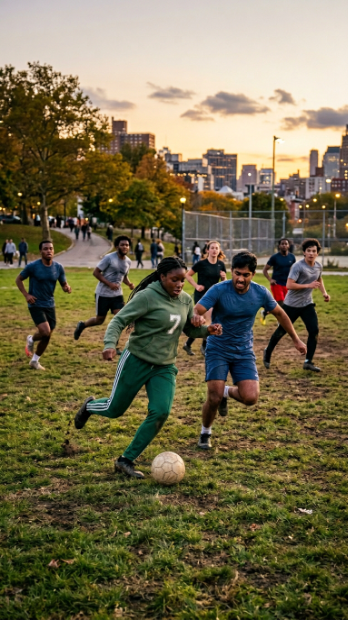
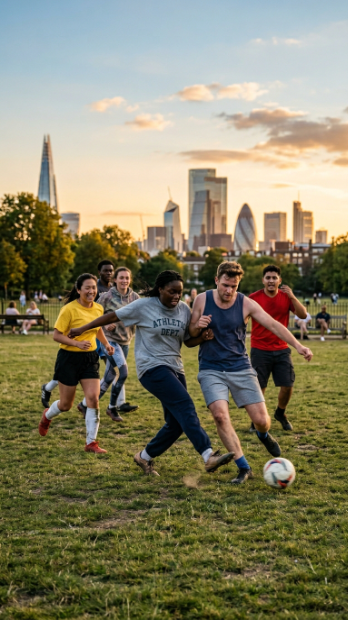
In modern society, sport is increasingly seen as a practical and accessible part of daily living. Whether it is a morning jog, a weekend football match, or a simple game played with friends, physical activity has become an important tool for maintaining both physical and mental health. As lifestyles become more sedentary and technology-driven, the role of sport continues to evolve from entertainment to necessity.
The Shift from Spectator to Participant
For many years, sport was something people primarily watched. Major events such as the Olympics, the FIFA World Cup, or international tennis tournaments captured global attention. While these events remain popular, there is a noticeable shift toward participation rather than observation.
More people are now engaging in sports at a personal level. Running clubs, local fitness groups, and community leagues are growing in popularity. These activities provide opportunities not only for exercise but also for social interaction and shared experiences.
This shift reflects a broader understanding that sport is not limited to professionals. It is accessible to individuals of all ages and skill levels. The emphasis is less on performance and more on participation, enjoyment, and consistency.
Physical Benefits That Extend Beyond Fitness
The physical benefits of sport are well recognized, but they go beyond basic fitness. Regular physical activity helps improve cardiovascular health, strengthen muscles, and support flexibility. It also plays a role in maintaining a healthy weight and reducing the risk of various long-term health conditions.
However, what makes sport particularly valuable is its adaptability. Different forms of sport can meet different needs. High-intensity activities such as football or basketball can improve endurance and coordination, while lower-impact activities such as swimming, cycling, or walking can provide sustainable options for long-term health.
Importantly, sport does not need to be intense to be effective. Consistency is often more beneficial than occasional high effort. Even moderate activity, when done regularly, contributes significantly to overall health.
Mental Health and Emotional Balance
In recent years, the connection between sport and mental health has gained increased attention. Physical activity is now widely recognized as a way to reduce stress, improve mood, and support emotional balance.
Sport provides a structured way to release tension. Activities such as running, playing team sports, or practicing yoga can help clear the mind and reduce feelings of anxiety. The focus required during physical activity often shifts attention away from daily worries, creating a sense of mental relief.
Additionally, achieving small goals in sport—such as improving endurance, learning a new skill, or maintaining a routine—can build confidence and a sense of accomplishment. These psychological benefits are especially important in a fast-paced world where stress and burnout are common.
Social Connection Through Sport
One of the most overlooked aspects of sport is its ability to bring people together. Whether in organized teams or informal groups, sport creates opportunities for interaction and connection.
Team sports, in particular, encourage communication, cooperation, and trust. Players learn to work toward a common goal, support each other, and handle both success and failure together. These experiences can strengthen relationships and build a sense of community.
Even individual sports can have social elements. Running groups, fitness classes, or shared training sessions provide a sense of belonging and motivation. For many people, the social aspect of sport is just as valuable as the physical benefits.
In communities, sport can also serve as a unifying activity. Local tournaments, school events, and recreational leagues bring people together across different backgrounds and age groups.
Technology and the Modern Sports Experience
Technology is changing the way people engage with sport. Fitness trackers, mobile applications, and online platforms provide tools to monitor progress, set goals, and stay motivated.
These technologies make sport more accessible and personalized. Individuals can track their steps, monitor heart rate, or follow guided workouts from home. This flexibility allows people to integrate physical activity into their schedules more easily.
At the same time, digital platforms have expanded access to sports content. Live streaming, social media updates, and online communities allow fans to stay connected to their favorite teams and athletes from anywhere in the world.
However, the growing presence of technology also raises questions about balance. While digital tools can enhance the sports experience, they should not replace real physical activity. The goal remains to encourage movement rather than passive consumption.
Youth and the Importance of Early Engagement
Introducing sport at a young age can have long-term benefits. For children and adolescents, sport supports physical development, coordination, and healthy habits. It also teaches important life skills such as discipline, teamwork, and resilience.
Participation in sport can help young people build confidence and learn how to handle both success and failure. These experiences contribute to personal growth and can influence behavior beyond the playing field.
However, it is important to maintain a balanced approach. Excessive pressure or focus on competition can reduce enjoyment and lead to burnout. Encouraging participation, exploration, and fun is essential for long-term engagement.
Barriers and Accessibility
Despite its benefits, access to sport is not equal for everyone. Factors such as cost, time, location, and available facilities can limit participation.
In urban areas, limited space or busy schedules may reduce opportunities for physical activity. In other regions, lack of infrastructure or resources can make organized sport less accessible.
Addressing these challenges requires both individual and community efforts. Public spaces, affordable programs, and flexible activities can help make sport more inclusive. Simple solutions, such as walking, home workouts, or informal games, can also provide accessible alternatives.
Finding a Sustainable Approach
The most effective way to include sport in daily life is to find activities that are enjoyable and sustainable. Not everyone needs to follow the same routine. What matters is choosing activities that fit individual preferences and lifestyles.
For some, this may mean joining a team sport. For others, it may involve solo activities such as running, cycling, or swimming. The key is to create a routine that can be maintained over time.
Flexibility is also important. Life circumstances change, and routines may need to adapt. Missing a session or adjusting intensity does not mean failure. A long-term perspective helps maintain motivation and reduces pressure.
Conclusion
Sport is more than a form of competition or entertainment. It is a practical and accessible way to improve health, support mental well-being, and build social connections.
In modern life, where sedentary habits and digital distractions are common, sport offers a valuable opportunity to stay active and engaged. By focusing on participation rather than performance, individuals can experience the full benefits of physical activity.
Ultimately, sport is not about achieving perfection or reaching elite levels. It is about movement, consistency, and enjoyment. Whether through a simple daily walk or a regular game with friends, incorporating sport into everyday life can lead to a healthier, more balanced, and more connected way of living.