In today’s fast-moving world, the idea of a “balanced life” often feels more like an aspiration than a reality. Between professional responsibilities, family commitments, and personal goals, many people find themselves constantly adjusting priorities without ever feeling fully in control. Yet balance does not necessarily mean dividing time equally between all areas of life. Instead, it is about creating a lifestyle that feels sustainable, intentional, and aligned with what matters most.
Modern lifestyle choices are no longer just about trends or appearances. They are increasingly about functionality, comfort, and long-term well-being. From how we organize our living spaces to how we structure our daily routines, small decisions can significantly influence how we experience each day.
Rethinking Daily Routines
A balanced lifestyle often begins with how the day is structured. While routines are sometimes seen as restrictive, they can actually provide a sense of stability and reduce mental fatigue. When certain activities become automatic—such as morning preparation, work blocks, or evening wind-down time—there is less need to constantly make decisions.
The key is not to create a rigid schedule, but a flexible framework. For example, starting the day with a consistent morning habit—such as stretching, having a quiet cup of coffee, or reviewing priorities—can set a calm tone. Similarly, defining clear working hours helps prevent work from extending endlessly into personal time.
Many people find that small adjustments, such as planning tasks the night before or grouping similar activities together, can make daily life more manageable. Over time, these habits reduce stress and create more space for meaningful activities.
Creating a Functional Living Space
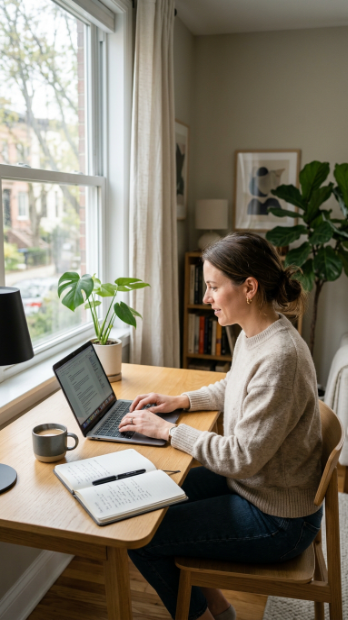
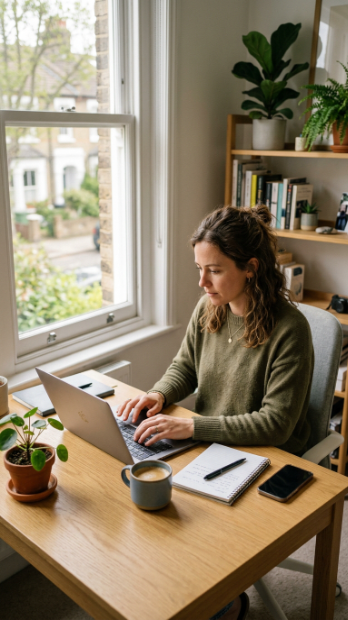
The environment we live in has a direct impact on our mood, productivity, and overall comfort. A well-designed space does not need to be large or expensive. It simply needs to support daily activities in a practical way.
Decluttering is often the first step. Removing unnecessary items can make a space feel more open and easier to maintain. It also reduces distractions and helps create a clearer mental state. Organizing frequently used items within easy reach saves time and effort throughout the day.
Lighting, color, and layout also play important roles. Natural light can improve mood and energy levels, while soft, warm lighting in the evening can create a more relaxing atmosphere. Choosing simple, neutral colors often helps create a sense of calm, while adding personal elements—such as plants, books, or artwork—can make a space feel more inviting.
In modern lifestyle design, the focus is shifting from decoration to usability. A home should not only look good but also work well for everyday life.
Building Personal Habits That Last
Personal habits are at the core of any lifestyle. They shape how time is spent and influence long-term well-being. However, many people struggle to maintain habits because they try to change too much at once.
A more effective approach is to start with small, realistic actions. For instance, instead of committing to a complex fitness plan, beginning with a short daily walk can build consistency. Instead of completely changing eating habits overnight, preparing one balanced meal per day can be a manageable first step.
Consistency matters more than intensity. Habits become sustainable when they are simple enough to repeat regularly. Over time, these small actions can lead to meaningful changes without creating unnecessary pressure.
It is also helpful to connect habits to existing routines. For example, stretching after waking up or reading before bed can naturally fit into the day. This makes the habit easier to maintain and reduces the likelihood of forgetting or skipping it.
Navigating Modern Consumer Choices
Lifestyle today is closely linked to consumption. From technology to household products, the choices people make can influence both convenience and overall satisfaction. However, with so many options available, decision-making can become overwhelming.
A more mindful approach to consumption focuses on value rather than quantity. Instead of purchasing items impulsively, it can be helpful to consider how often they will be used and whether they truly improve daily life.
For example, investing in durable, multifunctional products can reduce the need for frequent replacements. Choosing items that simplify tasks—such as efficient kitchen tools or well-designed storage solutions—can save time and effort.
Digital consumption is another important area. Limiting unnecessary screen time, organizing digital spaces, and being selective about content can improve focus and reduce stress. Technology should support life, not dominate it.
Managing Time Across Different Priorities
One of the biggest challenges in modern life is balancing work, family, and personal interests. Time often feels limited, and competing responsibilities can create tension.
Rather than trying to do everything equally, it can be more effective to focus on priorities. Identifying what matters most at a given time allows for better decision-making. For example, during a busy work period, personal time may need to be adjusted, while quieter periods can allow for more social or recreational activities.
Setting boundaries is also essential. This may include limiting work communication outside of certain hours or dedicating specific times for family and personal activities. Clear boundaries help prevent overlap and create a sense of control.
Planning can make a significant difference. Scheduling time for both responsibilities and relaxation ensures that important areas of life are not neglected. Even small blocks of time—such as an hour for a hobby or a short outing—can improve overall satisfaction.
Enhancing Everyday Experiences
A balanced lifestyle is not only about efficiency; it is also about enjoyment. Finding ways to improve everyday experiences can make life feel more fulfilling without requiring major changes.
Simple actions, such as preparing a favorite meal, listening to music during routine tasks, or spending time outdoors, can add value to daily life. These moments do not need to be elaborate. Their impact comes from consistency and intention.
Mindfulness can also enhance experiences. Paying attention to the present moment—whether during a meal, a conversation, or a walk—can increase appreciation and reduce stress. This does not require special training, but rather a conscious effort to slow down and notice details.
Social connections play an important role as well. Spending time with family or friends, even briefly, can strengthen relationships and provide emotional support. In a busy lifestyle, these connections should not be overlooked.
Finding Harmony, Not Perfection
The idea of a perfectly balanced life can sometimes create unrealistic expectations. In reality, balance is dynamic. It changes based on circumstances, priorities, and personal needs.
There will be times when work demands more attention, and other times when personal life takes priority. Accepting this flexibility can reduce pressure and make it easier to adapt.
Instead of aiming for perfection, it is more helpful to focus on harmony. This means creating a lifestyle where different aspects of life support each other rather than compete. For example, a comfortable home environment can improve work productivity, while effective time management can create more opportunities for relaxation.
Self-awareness is key. Understanding personal preferences, energy levels, and limits helps guide better decisions. What works for one person may not work for another, so it is important to create a lifestyle that feels right individually.
Conclusion
A modern lifestyle is shaped by choices—both big and small. From daily routines and living spaces to habits and time management, each decision contributes to the overall quality of life.
Building a balanced life does not require drastic changes. It begins with practical steps: organizing time, creating a functional environment, developing sustainable habits, and making mindful choices. Over time, these actions can lead to a more comfortable, efficient, and fulfilling way of living.
Ultimately, balance is not about doing everything. It is about doing what matters, in a way that supports both productivity and well-being. By focusing on simplicity, intention, and consistency, anyone can move closer to a lifestyle that feels both modern and meaningful.