
The automotive world is evolving faster than ever. What used to be a simple tool for transportation has now become a sophisticated blend of engineering, software, and lifestyle integration. Today’s cars are not only about horsepower and design—they represent a shift toward smarter mobility, enhanced safety, and more efficient daily living.
For everyday drivers, understanding these changes is essential. Whether you are considering buying a new car, maintaining your current one, or simply navigating daily traffic, staying informed can help you make better decisions and improve your overall driving experience.
A New Era of Practical Car Choices
In recent years, car buyers have shifted their priorities. Instead of focusing only on speed or luxury, many people now look for practicality, reliability, and cost efficiency. Fuel economy, maintenance costs, and long-term durability have become key factors.
Compact SUVs and crossovers are among the most popular choices today. They offer a balance between space, comfort, and fuel efficiency. At the same time, sedans are still preferred by those who value smooth handling and lower fuel consumption.
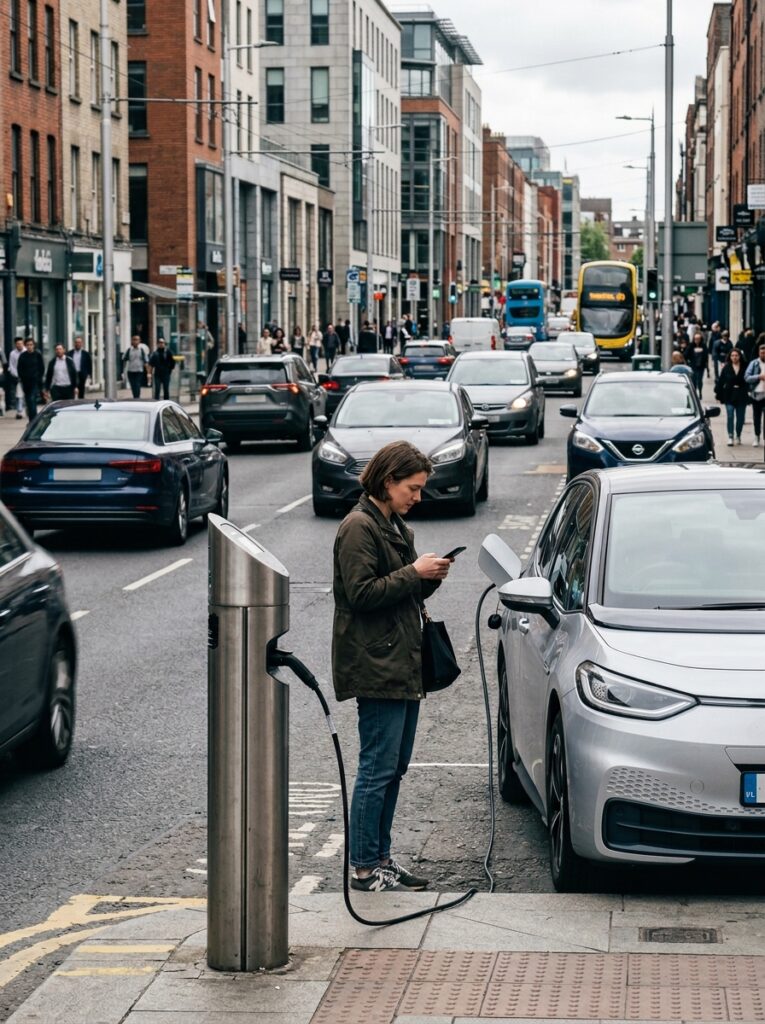
Electric vehicles are also gaining attention. While they are not yet the dominant choice for everyone, they are becoming more practical as charging infrastructure expands and battery technology improves.
Car Technology That Actually Matters
Modern vehicles are packed with technology, but not all features are equally useful in daily driving. Some innovations, however, have proven to make a real difference.
Driver Assistance Systems
Features like lane-keeping assist, automatic emergency braking, and adaptive cruise control are no longer luxury add-ons. They are becoming standard in many vehicles.
These systems help reduce human error, which is the leading cause of accidents. For example, automatic braking can prevent collisions in heavy traffic, while blind-spot monitoring helps drivers change lanes more safely.
Smart Connectivity
Today’s cars are often extensions of smartphones. Apple CarPlay, Android Auto, and built-in navigation systems allow drivers to stay connected without distraction.
Voice control is another useful feature. Instead of touching the screen, drivers can adjust settings, send messages, or play music using simple voice commands, improving safety and convenience.
Fuel Efficiency and Hybrid Systems
Hybrid technology is becoming more common, offering better fuel efficiency without the need for full electric charging. For many drivers, this is a practical middle ground between traditional gasoline cars and fully electric vehicles.
Real-World Maintenance Tips That Save Money
Owning a car is not just about driving—it’s about maintaining it properly. Many drivers overlook simple habits that can significantly extend a vehicle’s lifespan.
1. Regular Oil Changes Still Matter
Even with advanced engines, oil changes remain one of the most important maintenance tasks. Clean oil keeps the engine running smoothly and prevents long-term damage.
2. Tire Care Is Often Ignored
Underinflated tires reduce fuel efficiency and increase wear. Checking tire pressure once a month can improve safety and save money.
3. Don’t Ignore Warning Lights
Modern cars are equipped with sensors that detect issues early. Ignoring dashboard warnings can lead to costly repairs later.
4. Keep the Car Clean—Inside and Out
Cleaning your car is not just about appearance. Dirt and debris can damage paint, while a clean interior improves comfort and focus while driving.
5. Battery Awareness
For both traditional and electric vehicles, battery health is critical. Avoid leaving electronics on when the engine is off, and for EVs, follow recommended charging habits.
Driving Smarter in Daily Life
Good driving habits are just as important as having a good car. In fact, how you drive has a direct impact on safety, fuel consumption, and vehicle longevity.
Smooth Driving Saves More Than Fuel
Rapid acceleration and hard braking increase fuel consumption and wear out components faster. Smooth, consistent driving is more efficient and safer.
Plan Your Routes
Using navigation apps to avoid traffic can save time and reduce stress. Less time in traffic also means less fuel consumption.
Stay Focused
Distracted driving remains one of the biggest risks on the road. Even with modern technology, attention should always remain on driving.
Adapt to Conditions
Weather, road quality, and traffic conditions all require adjustments in driving behavior. Being aware and adaptable is key to safe driving.
The Changing Car Market
The car market is also evolving in response to economic and environmental pressures. Prices for new vehicles have increased, leading many consumers to consider used cars or longer ownership periods.
At the same time, manufacturers are investing heavily in electric and hybrid models. Governments in many countries are introducing policies to reduce emissions, which will influence future car designs and availability.
Another emerging trend is subscription-based car services. Instead of owning a car, some people prefer flexible options that allow them to switch vehicles based on their needs.
What This Means for Everyday Drivers
For the average driver, these changes bring both opportunities and challenges. On one hand, cars are safer, more efficient, and more comfortable than ever. On the other hand, they are also more complex.
Understanding basic maintenance, choosing practical features, and adopting good driving habits are more important than ever. The goal is not just to own a car—but to use it wisely.
Conclusion
Modern cars are transforming the way we move, live, and interact with technology. From smarter safety systems to more efficient engines, today’s vehicles are designed to support everyday life in meaningful ways.
However, technology alone is not enough. The way drivers use and maintain their vehicles plays a crucial role in ensuring safety, efficiency, and long-term value.
In the end, the best car is not necessarily the newest or most expensive—it is the one that fits your lifestyle, meets your needs, and helps you drive smarter every day.
