Global markets witness a complex dance between electric ambition and the enduring legacy of internal combustion as infrastructure gaps persist
The global automotive landscape in 2026 finds itself at a paradoxical crossroads defined by rapid technological leaps and a stubborn tethering to the past. While the industrys march toward electrification was once framed as a swift and inevitable conquest the reality on the ground has proven far more nuanced. Across the industrial hubs of Europe North America and Asia manufacturers are recalibrating their strategies to balance the feverish demand for sustainable mobility with the pragmatic limitations of current power grids and consumer budgets. This period of transition is no longer a simple race to produce the most efficient battery but a high stakes geopolitical and economic chess match involving supply chains for rare minerals and the survival of century old mechanical legacies. As showrooms fill with silent aerodynamic sedans and rugged electric trucks the ghost of the internal combustion engine continues to haunt the market proving that the road to zero emissions is longer and more winding than initially projected by the ambitious mandates of the early decade.
The primary driver of this transformation remains the relentless pursuit of decarbonization. In major metropolitan centers from London to Shanghai the shift is palpable. Governments have reinforced their commitments with stricter emissions standards that effectively penalize the production of traditional petrol engines. Consequently the research and development departments of giants like Volkswagen Toyota and Ford have become software laboratories. The car is no longer viewed as a purely mechanical object but as a sophisticated mobile computing platform. This evolution into software defined vehicles has allowed for over the air updates that can improve battery efficiency or unlock autonomous driving features overnight. At the recent Consumer Electronics Show in Las Vegas the spotlight was not on horsepower or torque but on artificial intelligence integration and in cabin digital experiences. Manufacturers are now competing to turn the dashboard into a seamless extension of the digital life where large language models act as predictive co pilots managing everything from energy consumption to personalized entertainment.
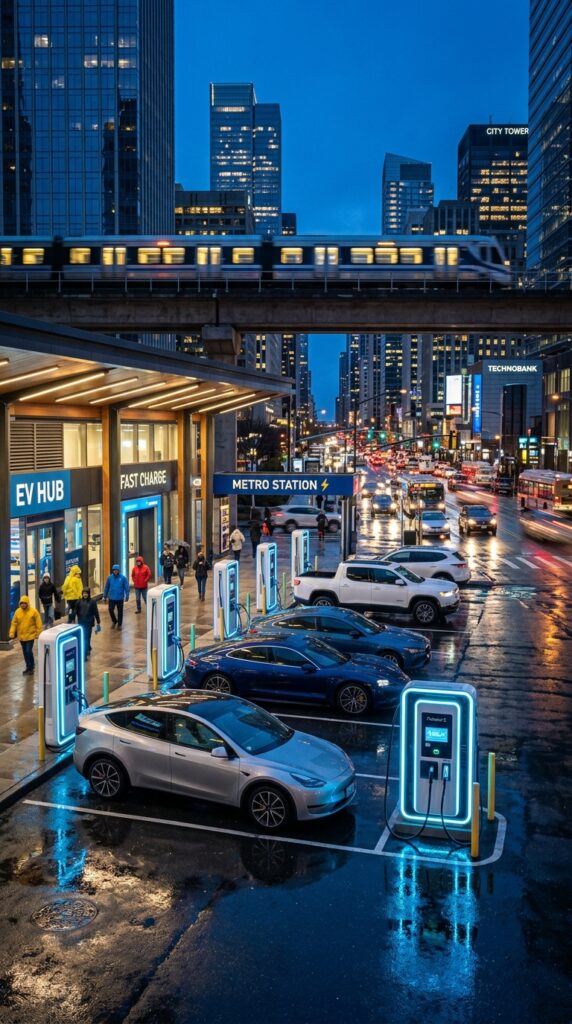
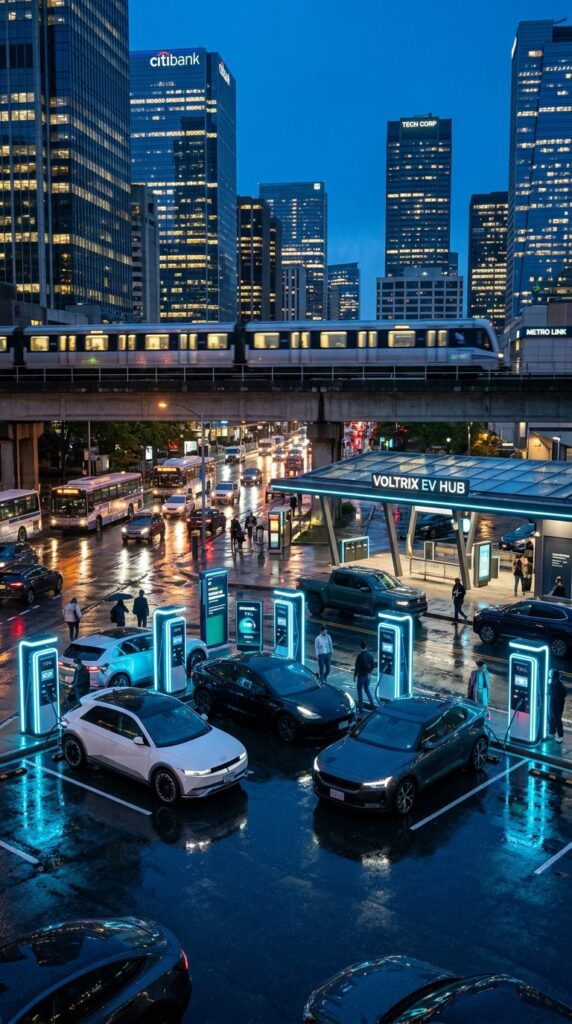
However this digital euphoria is frequently interrupted by the harsh realities of the physical world. The infrastructure required to support a global fleet of electric vehicles remains the most significant bottleneck to widespread adoption. While fast charging stations have become more common in wealthy urban corridors the vast stretches of rural highways and the aging residential grids of older cities often struggle to provide the necessary juice. Range anxiety has morphed into charging anxiety as drivers face the uncertainty of broken equipment or long queues at charging hubs. This friction has created a resurgence in the popularity of hybrid vehicles. For many consumers the hybrid represents the ultimate pragmatic compromise offering the fuel efficiency and low emissions of an electric motor without the logistical nightmare of finding a plug in a pinch. Sales data from the first quarter of 2026 indicate that hybrid models are outperforming pure electric counterparts in several key markets suggesting that the transition will be a multi decade evolution rather than a sudden revolution.
The economic undercurrents of this shift are also reshaping global trade alliances. China has emerged as the undisputed leader in battery technology and mineral processing leveraging a decade of state supported industrial policy to dominate the global supply chain. This dominance has prompted a wave of protectionist measures in the West with the United States and the European Union implementing tariffs and local content requirements to bolster their own domestic manufacturing. The result is a fragmented global market where the price of an electric vehicle can vary wildly depending on its origin and the trade agreements of the day. For the average consumer the promise of price parity between electric and internal combustion vehicles remains elusive. High interest rates and the rising costs of raw materials like lithium and cobalt have kept electric vehicle premiums high making them luxury goods rather than mass market solutions in many developing nations. This economic divide risks creating a two tiered mobility system where green transport is reserved for the affluent while the rest of the world remains reliant on aging and polluting technologies.
In response to these pressures some sectors of the industry are looking toward alternative fuels to keep the internal combustion engine alive. High performance brands and heavy duty transport firms are investing heavily in synthetic e fuels and hydrogen fuel cell technology. The logic is that while passenger cars may be well suited for batteries the energy density required for long haul trucking or the emotional resonance of a roaring sports car engine cannot be easily replicated with electricity. Hydrogen in particular is seeing a surge in investment for commercial fleets where rapid refueling and consistent power are paramount. These parallel paths of development suggest that the future of mobility will not be a monoculture of batteries but a mosaic of diverse energy solutions tailored to specific geographic and functional needs. The internal combustion engine is not disappearing it is being refined and relegated to specialized roles where it can operate with a significantly reduced carbon footprint.
As we look toward the latter half of the decade the automotive industry is entering a phase of consolidation and sober reflection. The initial hype of the electric revolution has been replaced by a focus on sustainable profitability and infrastructure resilience. Automakers are no longer just selling machines they are managing energy ecosystems and data streams. The challenge for the coming years will be to bridge the gap between technological possibility and social readiness. Whether it is the integration of Level 4 autonomous driving in city centers or the deployment of megawatt chargers for transcontinental freight the industry is moving toward a future that is more connected and automated than ever before. Yet the fundamental desire for personal mobility remains unchanged. The car continues to be a symbol of individual freedom and even as the power source changes the essence of the journey remains. The 2026 inflection point serves as a reminder that progress is rarely a straight line but a series of adjustments and innovations that ultimately redefine how we move through the world.