
Periodic Car Maintenance Tips for Better Durability and Stable Performance
For many people, a car is not only a valuable asset but also a daily companion for work, family life, and transportation needs. Therefore, regular maintenance is not just a technical procedure—it is a crucial factor that determines a vehicle’s durability, safety, and long-term performance. In reality, many major issues begin with small warning signs that are often overlooked, even though most could be prevented with proper and timely care.
One common mistake among users is only taking their car for inspection when clear problems arise, such as unusual noises, warning lights, or noticeable changes in driving feel. However, effective maintenance is proactive—checking and replacing components according to recommended schedules rather than waiting for failures to occur. This approach not only keeps the vehicle running smoothly but also reduces the risk of major repairs, saving both time and money in the long run.
The most familiar maintenance task is engine oil replacement. Engine oil plays a vital role in lubricating, cooling, and cleaning internal engine components during operation. When the oil becomes dirty or loses its quality, its protective ability declines, leading to increased friction and faster wear. Depending on the type of oil and driving conditions, each vehicle has a different oil change interval. For those who frequently drive in congested urban areas, make short trips, or face hot weather, the engine may work harder than in steady highway conditions. Therefore, following the recommended oil change schedule is one of the simplest yet most important steps.
In addition to engine oil, the oil filter and air filter are components that should not be overlooked. The oil filter traps impurities circulating in the oil, while the air filter ensures clean air enters the combustion chamber for efficient engine operation. If these components become too dirty, the vehicle may feel sluggish, consume more fuel, and lose overall performance. In many cases, reduced performance is not due to serious faults but simply because the filters need replacement.
Tires are the only part of the car that directly contact the road, so their condition greatly affects safety and driving feel. Tire pressure should be checked regularly, especially before long trips. Underinflated tires can increase fuel consumption, reduce cornering stability, and cause uneven wear. Overinflated tires can reduce traction and ride comfort. In addition to pressure, users should monitor tread wear, check for cracks, bulges, or cuts, and rotate tires periodically to ensure even wear, extend lifespan, and maintain stable performance.
The braking system is another area that should never be delayed for inspection. Brake pads, discs, and brake fluid all have limited lifespans and directly affect stopping ability. If you hear noises when braking, notice reduced braking performance, or feel abnormalities in the brake pedal, it is important to check immediately. In heavy traffic conditions, brakes work continuously, especially in urban driving or mountainous areas. A well-maintained braking system not only ensures peace of mind but also helps drivers handle situations more effectively.
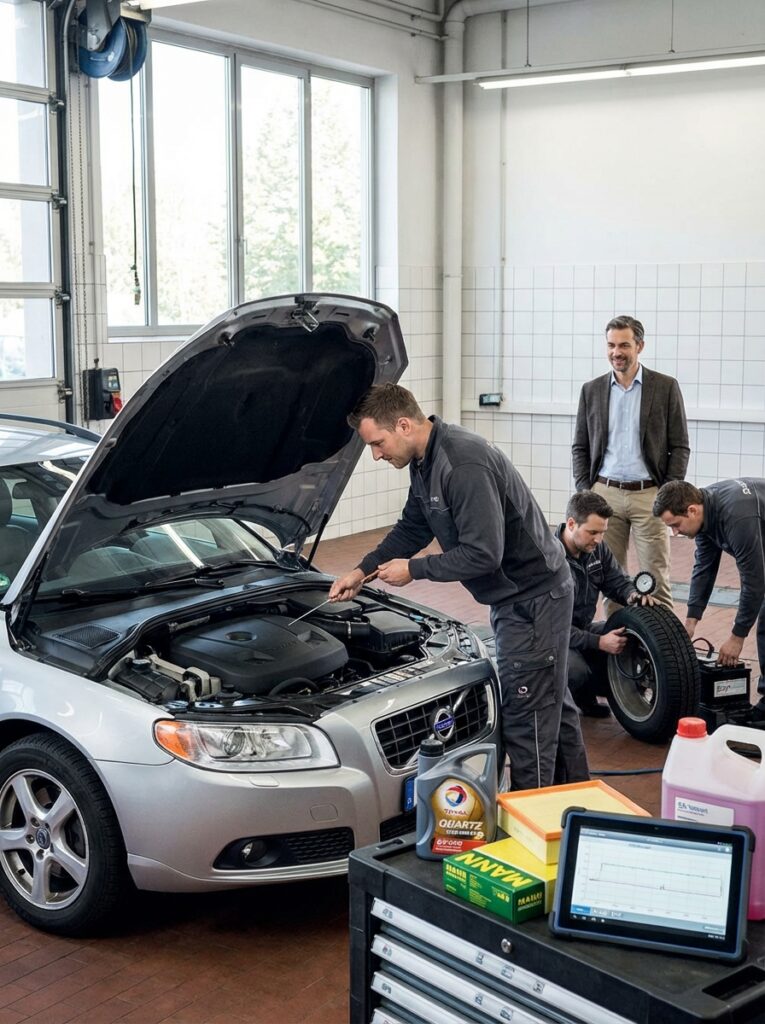
The battery is another component often overlooked until the car suddenly fails to start. Battery lifespan depends on quality, usage frequency, and environmental conditions. Vehicles that are rarely used or left parked for long periods may experience faster battery drain due to insufficient charging. Users should watch for signs such as slow engine start, dim lights, or unstable electrical systems. Checking terminals, cleaning connections, and monitoring battery age are small steps that can prevent major inconvenience.
Coolant is another essential element in vehicle operation, especially in hot weather or during long drives. Many people only top it up when levels are low without considering fluid quality or replacement intervals. Over time, coolant can lose effectiveness, affecting the engine’s ability to regulate temperature. A poorly functioning cooling system can lead to overheating, reduced performance, and in severe cases, serious damage.
The air conditioning system should also be checked regularly to maintain cooling efficiency and cabin air quality. A dirty cabin air filter can reduce cooling performance and affect passenger comfort. If there are unpleasant odors, weak airflow, or slow cooling, it may indicate that the system needs cleaning or servicing. In hot climates, air conditioning is not just a comfort feature but also plays a role in maintaining driver focus and comfort.
An important maintenance habit is daily observation of the vehicle. Users do not need to be technical experts to notice abnormalities. Simply checking for fluid leaks under the car, unusual tire deflation, malfunctioning lights, or strange noises during acceleration, braking, or steering can make a big difference. Early detection allows issues to be addressed while they are still minor and manageable.
Choosing a reputable service center is also essential. A good technician not only replaces parts correctly but also helps users understand the vehicle’s condition, prioritize necessary work, and avoid unnecessary expenses. Keeping records of maintenance history, invoices, and part replacements is also useful, especially for tracking component lifespan or when planning to resell the car.
Regular car maintenance should not be viewed as a mandatory expense but as a smart investment to preserve the vehicle’s value and reliability. A well-maintained car runs more smoothly, experiences fewer breakdowns, consumes fuel more efficiently, and most importantly, provides peace of mind for the user. In modern life, where cars are closely tied to work and family, taking the time to maintain your vehicle properly is ultimately part of taking care of your own safety and convenience.
