After years of rapid digital expansion, a surprising shift is taking place in the entertainment industry. While streaming platforms, social media, and digital content continue to dominate daily consumption, audiences are increasingly returning to live, in-person experiences. Concerts, theaters, comedy shows, and cultural events are seeing renewed interest, signaling a deeper need that digital entertainment alone cannot fully satisfy.
This trend reflects a broader transformation in how people define entertainment—not just as something to watch, but as something to experience.
The Limits of Digital Entertainment
Over the past decade, digital platforms have made entertainment more accessible than ever. With just a smartphone, users can watch movies, listen to music, or follow creators from anywhere in the world.
However, this convenience has also created a sense of saturation. With endless content available at all times, many people feel overwhelmed rather than entertained. The constant scrolling and short-form content cycles can lead to fatigue, reducing the overall enjoyment of media.
In contrast, live entertainment offers something different: a focused, immersive experience that demands attention and presence.
Why Live Experiences Feel Different
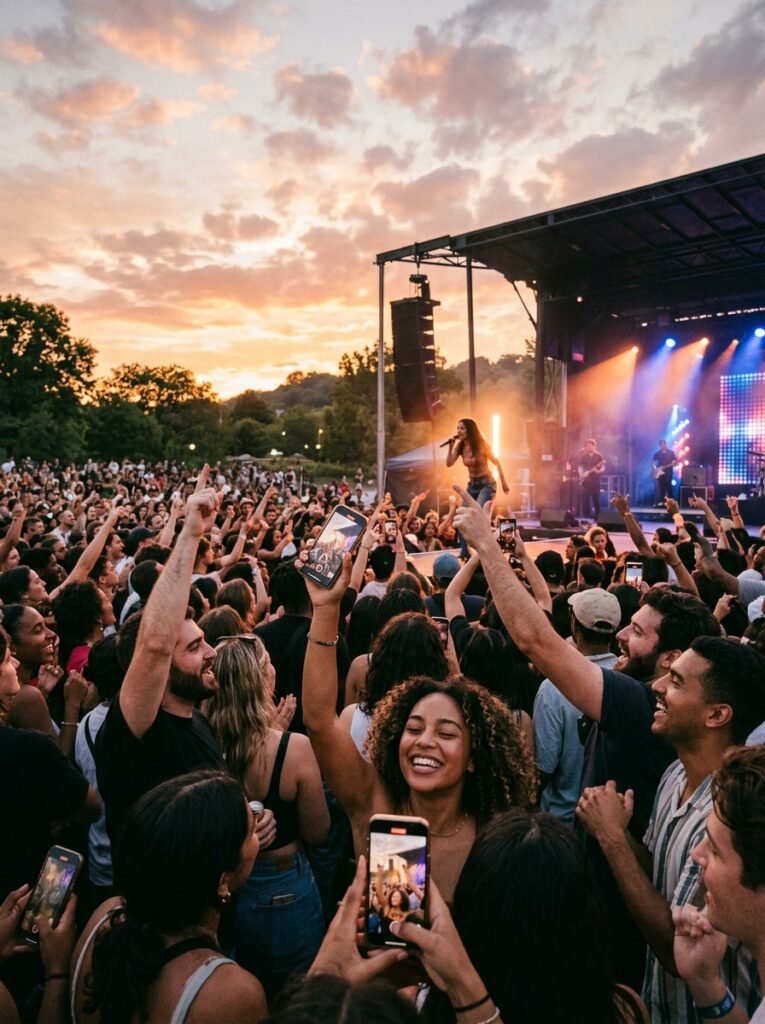
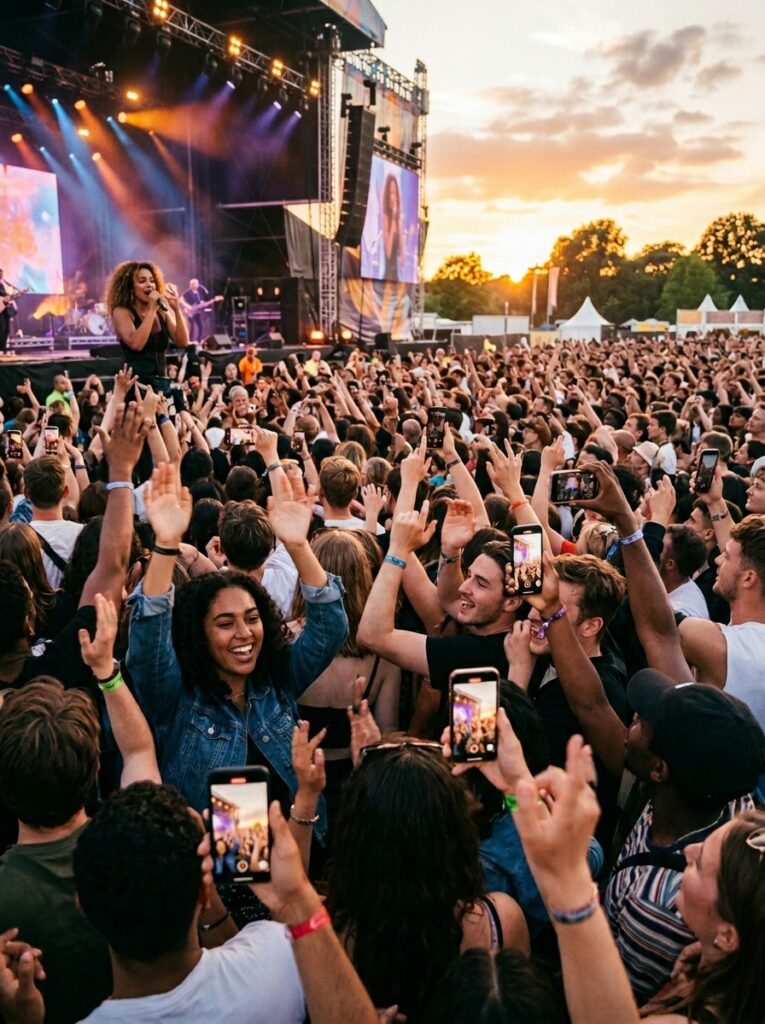
One of the key reasons for the resurgence of live entertainment is emotional connection. Watching a concert online is not the same as standing in a crowd, feeling the music, and sharing the moment with others.
Live events engage multiple senses at once—sound, visuals, atmosphere, and human interaction. This creates a stronger emotional impact that cannot be replicated through a screen.
Additionally, live entertainment is unpredictable. Unlike pre-recorded content, each performance is unique. This element of spontaneity makes the experience more authentic and memorable.
The Social Factor
Entertainment has always been a social activity. Going to the movies, attending concerts, or watching performances with others creates shared experiences that strengthen relationships.
In recent years, as digital consumption became more individual and isolated, many people began to miss these shared moments. Live events provide an opportunity to reconnect—not just with the content, but with other people.
For younger generations, attending live events has also become a form of self-expression. Sharing experiences through photos and videos is part of the culture, but the value lies in the real-world experience itself.
The Revival of Local Entertainment
Another important aspect of this trend is the renewed interest in local entertainment. Small venues, independent theaters, and community events are gaining attention as people look for more personal and authentic experiences.
Unlike large-scale productions, local events often offer a closer connection between performers and audiences. This creates a sense of intimacy that is difficult to achieve in digital formats.
Supporting local entertainment also has economic benefits, helping artists and small businesses thrive in a competitive industry.
Challenges Facing Live Entertainment
Despite its resurgence, live entertainment faces several challenges.
Cost and Accessibility
Ticket prices for major events can be high, making them inaccessible for some audiences. Travel and accommodation costs can also add to the expense.
Competition with Digital Platforms
Streaming services continue to offer convenient and affordable alternatives. For many people, staying at home remains an attractive option.
Changing Audience Expectations
Modern audiences expect high-quality experiences. This puts pressure on event organizers to deliver not only strong performances but also advanced production, lighting, and sound.
Blending Digital and Live Experiences
Interestingly, the future of entertainment may not be about choosing between digital and live formats, but combining them.
Many events now incorporate digital elements, such as live streaming, interactive apps, and social media engagement. This hybrid approach allows audiences to participate in different ways.
For example, a concert can be experienced both in person and online, reaching a wider audience while maintaining the value of the live experience.
The Role of Artists and Performers
Artists are also adapting to this shift. Live performances are becoming more creative and immersive, with greater emphasis on storytelling and audience interaction.
Musicians, actors, and performers are exploring new ways to engage audiences beyond traditional formats. This includes interactive shows, immersive theater, and multi-sensory experiences.
For many artists, live performance is not just a source of income but also a way to build a deeper connection with their audience.
What This Means for the Future
The renewed interest in live entertainment suggests that, despite technological advancements, human connection remains at the core of meaningful experiences.
While digital content will continue to grow, it is unlikely to replace live entertainment entirely. Instead, the two will coexist, each serving different needs.
Digital platforms provide convenience and accessibility, while live events offer depth, emotion, and connection.
Conclusion
The return of live entertainment highlights an important truth: people do not just want to consume content—they want to feel it, share it, and remember it.
In a world dominated by screens, stepping into a real-world experience has become more valuable than ever. Whether it’s a concert, a theater performance, or a local event, live entertainment offers something that digital platforms cannot fully replicate.
As the industry continues to evolve, the balance between digital convenience and real-world experience will shape the future of entertainment. And for many, the answer is clear: sometimes, the best moments are the ones that happen offline.