Over the past decade, the entertainment industry has been transformed by one defining force: streaming platforms. What began as a convenient alternative to traditional television has evolved into a highly competitive global market where companies fight not just for subscribers, but for attention.
Today, audiences are no longer limited by broadcast schedules or physical media. Instead, they navigate a landscape filled with countless platforms, each offering exclusive content, personalized recommendations, and unique viewing experiences. While this has created unprecedented choice, it has also introduced new challenges—for both viewers and creators.
The Rise of Streaming Dominance
Streaming services have fundamentally changed how people consume entertainment. Instead of watching scheduled programs, users now expect instant access to content at any time.
This shift has been driven by several factors:
- Faster internet speeds
- Widespread smartphone usage
- Affordable subscription models
As a result, streaming has become the primary way many people watch movies and television. Traditional cable services have declined, and even major studios now prioritize digital releases.
The appeal is simple: convenience, variety, and control.
The Competition for Original Content
One of the most intense aspects of the streaming industry is the competition for original content. Platforms invest heavily in exclusive series and films to attract and retain subscribers.
This has led to a surge in high-quality productions. Many streaming series now rival Hollywood films in terms of budget, acting, and storytelling. Audiences benefit from this competition, as they gain access to diverse and innovative content.
However, this race for originality also comes with risks. Not all productions succeed, and platforms must constantly balance creativity with profitability.
Content Overload and Viewer Fatigue
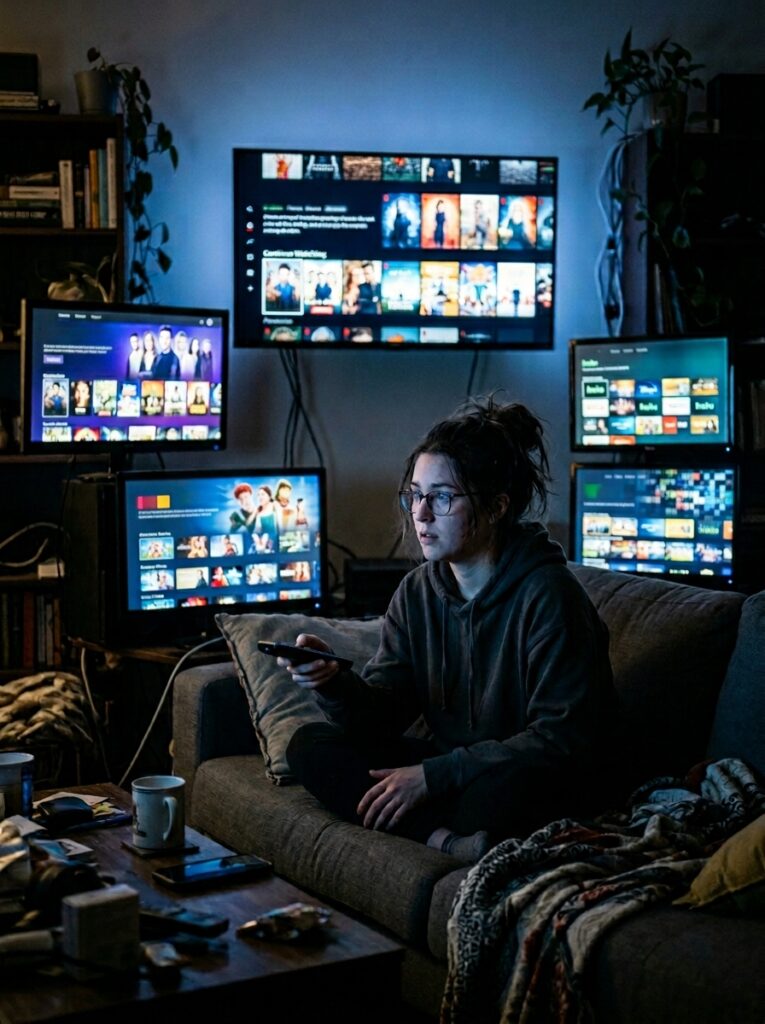
While having more choices seems beneficial, it has created a new problem: content overload.
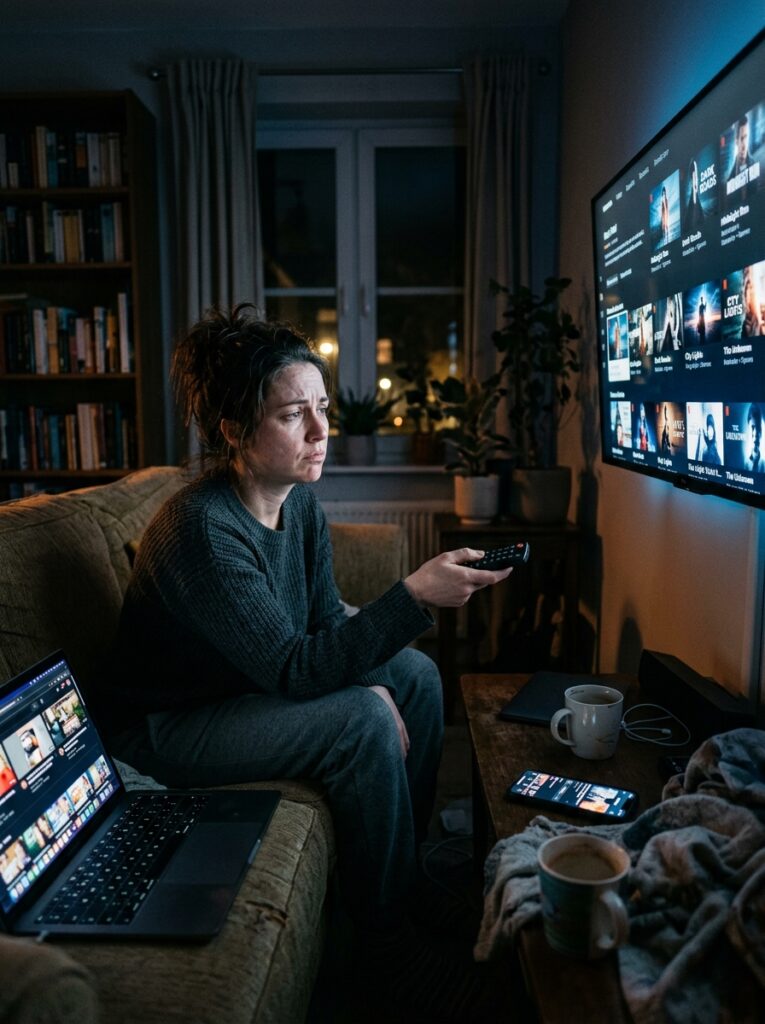
With hundreds of shows and movies released every month, viewers often struggle to decide what to watch. Scrolling through options can feel overwhelming, leading to decision fatigue.
In some cases, people spend more time searching for content than actually watching it.
This has also shortened attention spans. Many viewers prefer shorter, faster-paced content, influencing how stories are written and produced.
The Role of Algorithms
Streaming platforms rely heavily on algorithms to recommend content. These systems analyze viewing habits, preferences, and behavior to suggest shows and movies tailored to each user.
While this personalization improves convenience, it also shapes what audiences see. Recommendations can limit exposure to new or different types of content, creating a more narrow viewing experience.
At the same time, algorithms have become a powerful tool for creators. Understanding how content is discovered can influence how it is produced and marketed.
Globalization of Entertainment
Streaming has also made entertainment more global. Shows and films from different countries can now reach international audiences with ease.
This has led to the rise of non-English content gaining worldwide popularity. Viewers are becoming more open to diverse stories, cultures, and perspectives.
For creators, this means greater opportunities to reach global audiences. For viewers, it means access to a wider range of storytelling than ever before.
The Economics of Subscription Models
The subscription-based model has changed how entertainment is monetized. Instead of paying per movie or show, users pay a monthly fee for access to a library of content.
While this seems cost-effective, the growing number of platforms means many users subscribe to multiple services. Over time, these costs can add up.
As competition increases, platforms are experimenting with different pricing strategies, including ad-supported tiers and bundled services.
Impact on Traditional Media
The rise of streaming has had a significant impact on traditional media industries.
Television networks have seen declining viewership, while movie theaters face competition from at-home streaming releases. Although theaters still offer a unique experience, many viewers prefer the convenience of watching new releases at home.
In response, traditional media companies are adapting by launching their own streaming platforms and investing in digital content.
The Creator’s Perspective
For content creators, the streaming era offers both opportunities and challenges.
On one hand, there are more platforms and more demand for content than ever before. Independent creators can reach global audiences without relying on traditional distribution channels.
On the other hand, competition is intense. Standing out in a crowded market requires not only creativity but also strong marketing and timing.
Additionally, questions about fair compensation and creative control remain important issues in the industry.
The Future of Streaming
Looking ahead, the streaming landscape is likely to continue evolving. Consolidation may reduce the number of platforms, while technological advancements will improve user experience.
Interactive content, live streaming, and integration with social media are expected to grow. Artificial intelligence may also play a larger role in content creation and personalization.
However, one thing is clear: the battle for attention will remain central. As more content is produced, capturing and удержing viewer interest will be the ultimate challenge.
Conclusion
Streaming platforms have transformed entertainment into a highly competitive and dynamic ecosystem. While they offer convenience and variety, they also introduce complexity and new challenges.
For audiences, the key is finding balance—enjoying the benefits of choice without becoming overwhelmed. For creators, success depends on innovation, authenticity, and the ability to connect with viewers in meaningful ways.
In the end, entertainment is not just about access—it is about engagement. And in a world where attention is the most valuable resource, how we choose to spend it defines the future of the industry.