
Entertainment has always been an essential part of human life. From traditional theater and cinema to television and music, people have continuously sought ways to relax, connect, and experience stories. However, in the digital age, entertainment has undergone a dramatic transformation. The way content is created, distributed, and consumed has changed more in the last decade than in the previous fifty years.
Today, entertainment is no longer limited to passive viewing. It is interactive, personalized, and deeply integrated into everyday life. For audiences around the world, this shift is redefining not only what we watch, but how we engage with content and culture.
The Rise of On-Demand Entertainment
One of the most significant changes in entertainment is the shift from scheduled programming to on-demand content. Streaming platforms have replaced traditional broadcasting for many viewers, offering instant access to movies, series, music, and live events.
This change has given audiences greater control. Instead of waiting for a specific time slot, people can watch what they want, when they want. Binge-watching has become a common behavior, reflecting how storytelling itself has adapted to longer, more immersive formats.
For creators, this shift has opened new opportunities. Independent filmmakers, musicians, and content producers can now reach global audiences without relying on traditional gatekeepers.
The Influence of Social Media and Short-Form Content
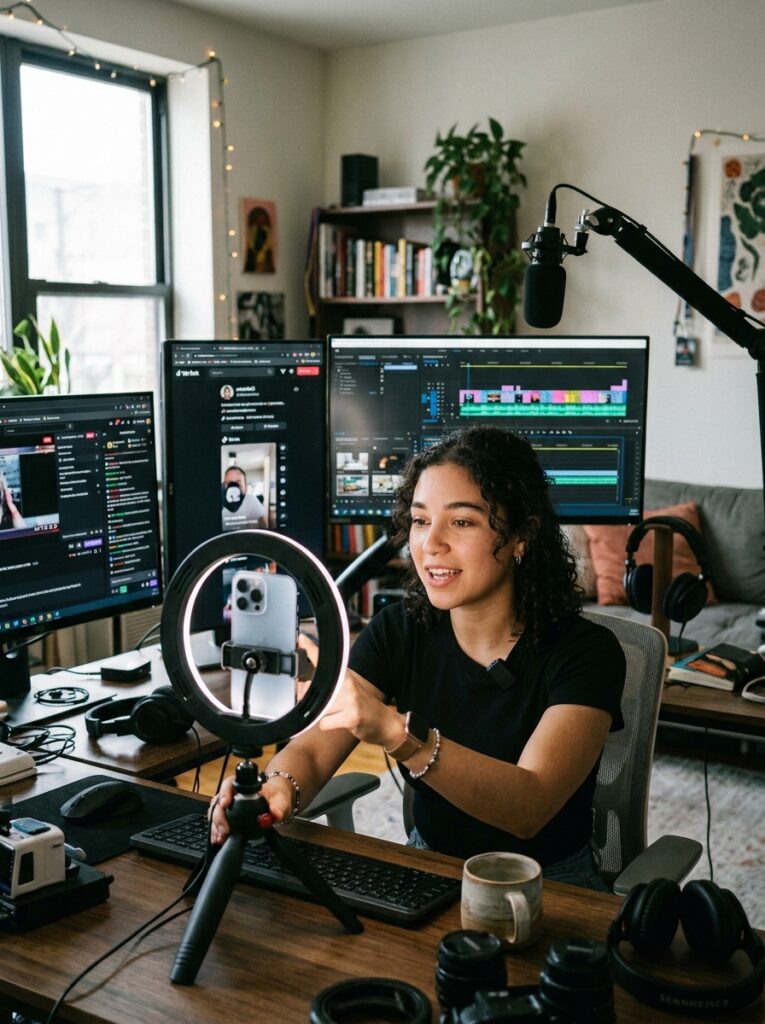
Social media platforms have become powerful entertainment hubs. Short-form videos, viral trends, and influencer-driven content dominate daily consumption, especially among younger audiences.
Unlike traditional media, social platforms allow direct interaction between creators and viewers. This has changed the nature of entertainment, making it more immediate and personal.
Content is no longer just about production quality—it’s about relatability, creativity, and timing. A simple video filmed on a smartphone can reach millions of people if it resonates with the audience.
At the same time, this rapid content cycle has created new challenges. Trends move quickly, and creators face constant pressure to produce engaging material.
The Evolution of Film and Television
The film and television industry has also adapted to changing audience expectations. High-quality series now rival movies in terms of production value and storytelling depth.
Streaming platforms invest heavily in original content, leading to a wider variety of genres and narratives. Stories from different cultures and regions are gaining international attention, reflecting a more globalized entertainment landscape.
In addition, audience preferences are shifting toward authenticity and diversity. Viewers are increasingly drawn to stories that reflect real-life experiences and diverse perspectives.
Music in the Streaming Era
Music consumption has changed dramatically with the rise of streaming services. Instead of purchasing albums, listeners now access vast libraries of songs instantly.
This has made music more accessible but has also changed how artists release content. Singles and frequent releases are now more common than traditional albums.
Live performances, however, remain a crucial part of the music industry. Concerts and festivals provide experiences that cannot be replicated digitally, maintaining a strong connection between artists and fans.
Gaming as Mainstream Entertainment
Video games have become one of the largest segments of the entertainment industry. What was once considered a niche hobby is now a global phenomenon.
Modern games offer immersive storytelling, social interaction, and competitive experiences. Online multiplayer games allow players to connect with others around the world, creating communities that extend beyond the game itself.
Esports, or competitive gaming, has also grown rapidly. Professional players, tournaments, and streaming platforms have turned gaming into a spectator sport with millions of viewers.
The Role of Technology in Shaping Entertainment
Technology continues to drive innovation in entertainment. Virtual reality (VR), augmented reality (AR), and artificial intelligence are opening new possibilities for storytelling and interaction.
For example, VR allows users to experience stories in a fully immersive environment, while AI is being used to personalize content recommendations.
At the same time, technology is making content creation more accessible. High-quality cameras, editing software, and distribution platforms are now available to a wider range of creators.
Challenges in the Modern Entertainment Industry
Despite its growth, the entertainment industry faces several challenges.
Content Overload
With so much content available, audiences can feel overwhelmed. Finding meaningful and high-quality content has become more difficult.
Short Attention Spans
The rise of short-form content has influenced how people consume media. Many viewers prefer quick, engaging content over longer formats, which can impact storytelling depth.
Monetization and Fair Compensation
As platforms grow, questions about fair compensation for creators have become more important. Balancing accessibility for audiences with sustainability for creators remains a key issue.
Entertainment as a Reflection of Society
Entertainment is more than just a form of escape—it reflects cultural values, social issues, and collective experiences.
Films, music, and digital content often address topics such as identity, relationships, and global challenges. This makes entertainment a powerful tool for communication and understanding.
In times of uncertainty, entertainment also provides comfort and connection. Whether through a favorite show, a song, or a shared online experience, it brings people together.
The Future of Entertainment
Looking ahead, entertainment will likely become even more personalized and interactive. Advances in technology will continue to blur the line between creators and audiences.
User-generated content will remain a major force, while traditional media will continue to adapt to new formats and platforms.
Ultimately, the future of entertainment will be shaped by the balance between innovation and authenticity. While technology enables new possibilities, the core of entertainment will always remain the same: telling stories that connect with people.
Conclusion
Entertainment in the digital age is more dynamic and accessible than ever before. From streaming platforms and social media to gaming and immersive technologies, the ways people experience content are constantly evolving.
For audiences, this means more choice and greater control. For creators, it offers new opportunities and challenges.
In a world filled with constant change, entertainment continues to play a vital role—not just as a source of enjoyment, but as a reflection of who we are and how we connect with one another.