As wellness culture matures, the fastest-growing supplement brands are no longer winning on hype alone. Consumers are increasingly demanding products that are science-backed, simple to use, and easy to integrate into daily life.
The global supplement industry is moving into a new and more demanding phase, one defined less by novelty and more by proof. For years, the category expanded on the back of aspiration: better skin, better sleep, better focus, better aging, better performance. Social media, especially TikTok, helped turn capsules, powders, gummies and drink mixes into visual lifestyle objects as much as health products. But as the market becomes more crowded, the core terms of competition are changing.
According to Vogue, the supplement business is now booming at a scale that would have been difficult to imagine when the category was still associated mainly with gym culture and niche health enthusiasts. The publication reports that supplement-related content on TikTok has surpassed 2.8 million videos and that the global supplements market was projected to reach $338 billion in 2025. That combination of cultural visibility and commercial expansion helps explain why so many brands, celebrities and wellness startups have rushed into the sector. But the same Vogue analysis argues that the next winners are unlikely to be the loudest brands. They are more likely to be the ones that can deliver efficacy, clarity and trust. :contentReference[oaicite:0]{index=0}
That shift matters because it suggests the supplement market is no longer being driven primarily by trend-chasing. Instead, it is beginning to resemble a more mature consumer-health category, where the burden is on brands to justify why a product belongs in a daily routine. In Vogue’s framing, consumers still care about beauty, longevity and preventative health, but they are becoming more selective about how they spend. They want fewer products, better evidence, more intuitive formats and less friction. In other words, wellness is moving from a mood to a performance standard. :contentReference[oaicite:1]{index=1}
The role of TikTok in this transition is central, even if it now cuts both ways. The platform helped create enormous visibility for supplements by turning routines into content and ingredients into mini cultural moments. Viral recommendations, aesthetic packaging and celebrity-backed launches helped make the category feel accessible, aspirational and highly shareable. Vogue notes that brands such as Kylie Jenner’s K20 and Kourtney Kardashian’s Lemme have helped push supplements further into the mainstream, particularly among consumers who view wellness not as a medical chore but as part of identity and self-presentation. :contentReference[oaicite:2]{index=2}
Yet social media has also accelerated saturation. The more products appear, the harder it becomes for any one of them to feel essential. In an overcrowded market, branding alone is less reliable. Consumers who may once have bought on promise or packaging are increasingly asking whether a formula is clinically supported, whether the dosage makes sense, and whether the product actually fits into the cadence of everyday life. Vogue describes this as a market in which function is beginning to matter more than hype, with newer brands focusing on clinically substantiated claims, streamlined routines and practical user experience. :contentReference[oaicite:3]{index=3}
That demand for evidence is not surprising. Supplement use is already widespread in the United States. Vogue cites Centers for Disease Control and Prevention data showing that more than half of adults take a supplement, and that usage is trending upward. At the same time, the publication says there are roughly 100,000 different supplements on the U.S. market. That creates a confusing environment in which sophisticated marketing can easily outpace scientific clarity. As the category grows larger, consumers are becoming more aware of the gap between attractive storytelling and actual efficacy. :contentReference[oaicite:4]{index=4}
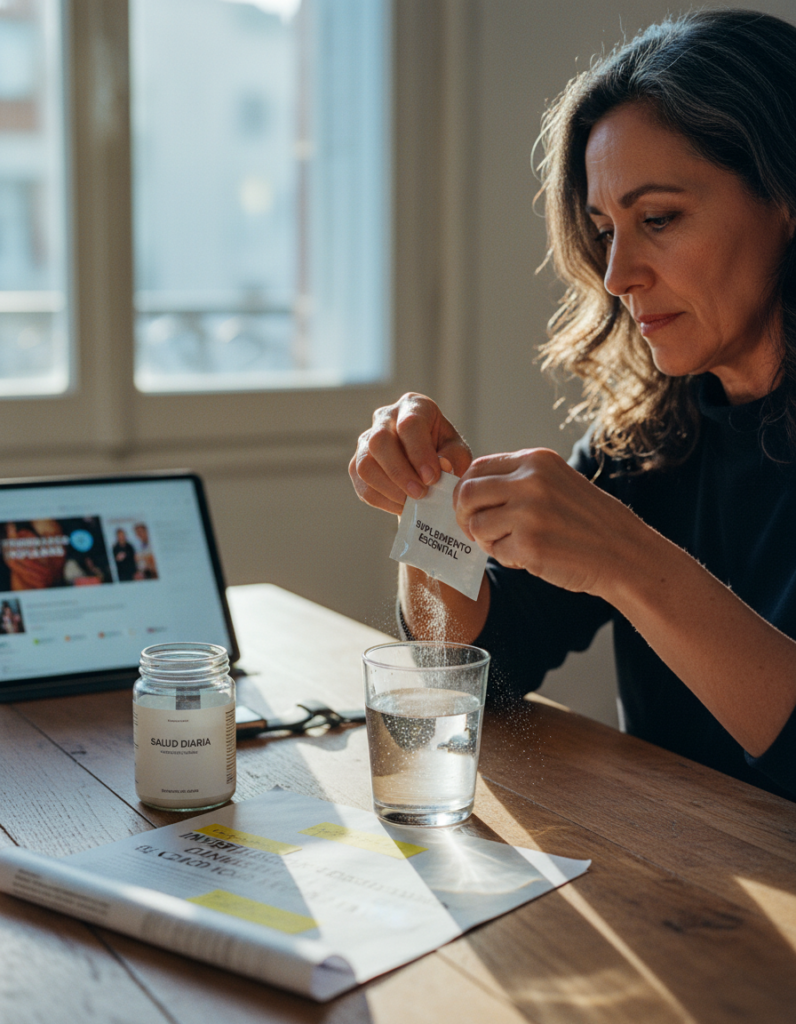
This is where simplicity becomes a competitive advantage. The old supplement model often encouraged accumulation: one product for sleep, one for digestion, one for skin, one for energy, one for stress, one for immunity. But daily life has limits. A consumer may aspire to optimize everything, yet still resist a routine that involves multiple bottles, complicated timing, or products that feel detached from normal habits. Vogue’s reporting suggests that brands are responding by reducing complexity and emphasizing easy-to-use formats such as gummies, powders and drinks that can slip into an existing routine with minimal effort. Convenience, in that sense, is not a cosmetic feature. It is part of whether a product is used consistently enough to matter. :contentReference[oaicite:5]{index=5}
The emphasis on convenience also reflects a larger redefinition of wellness itself. For much of the social-media era, wellness was often marketed as aspiration through intensity: elaborate routines, optimized mornings, highly specific stacks, and a constant search for the next miracle ingredient. What is emerging now is something less theatrical and more durable. Consumers still want benefits, but they want them delivered in forms that feel realistic. A supplement has to live in a handbag, beside a coffee machine, on a bathroom shelf, or inside a commute-driven schedule. If it interrupts life too much, it competes with life. :contentReference[oaicite:6]{index=6}
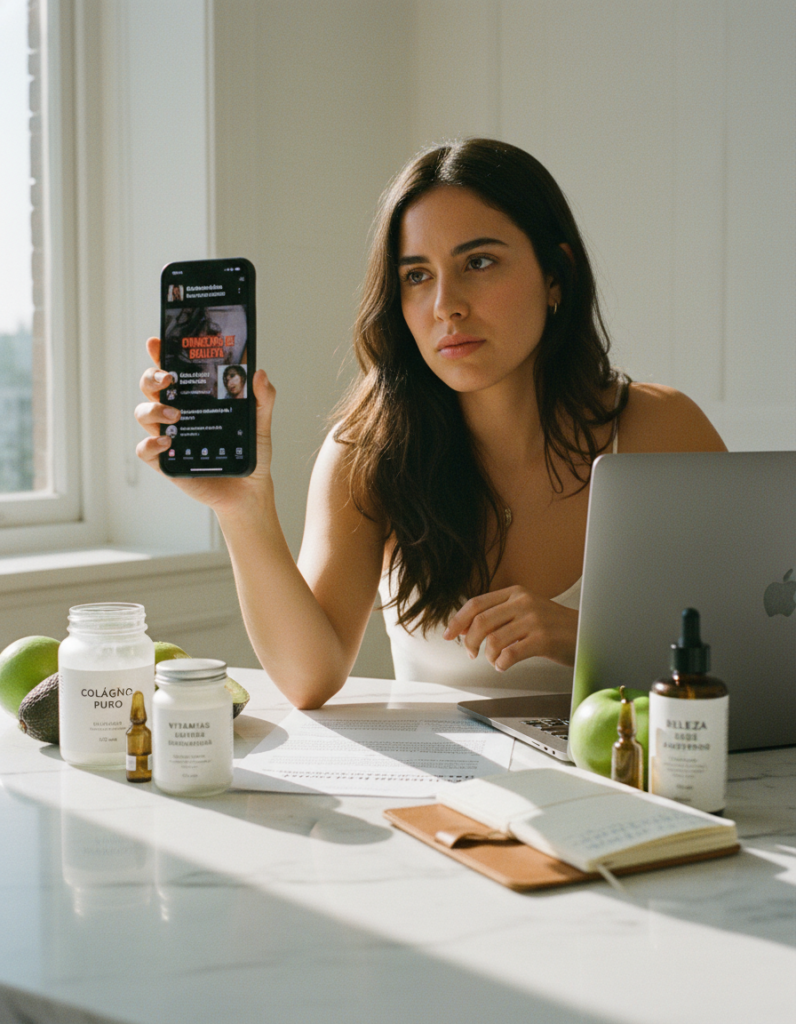
There is also a visual and cultural dimension to this evolution. Vogue notes that supplement branding now often borrows from skincare aesthetics, a sign that ingestible wellness is being sold not just as health maintenance but as part of a broader beauty-and-lifestyle ecosystem. That helps explain why “beauty from within” remains such a strong commercial proposition. Consumers are not only buying for internal health outcomes; many are buying for visible effects tied to skin, hair, energy and overall presentation. The category sits at the intersection of beauty, health and self-optimization, which is one reason it has become so commercially powerful. :contentReference[oaicite:7]{index=7}
But the market’s new seriousness means aesthetic appeal alone is no longer enough. Vogue’s broader supplement coverage increasingly leans on doctors, dietitians and clinical framing, whether in guides to longevity supplements, gut-health products or brand recommendations. That editorial pattern mirrors the commercial reality. Consumers are becoming more comfortable with wellness as a permanent part of spending, but they also want some form of expert validation before they commit. The result is a category where trust is turning into one of the most valuable assets a brand can have. :contentReference[oaicite:8]{index=8}
The recent mainstreaming of creatine offers a useful example of how this new competition works. Vogue reported last month that creatine, long associated with male gym culture, has been repositioned for women and broader wellness audiences through more appealing formats, targeted education and claims linked not just to performance but also recovery and cognition. The significance is not merely that one ingredient has become fashionable. It is that successful brands are winning by translating a known functional product into a more inclusive, everyday-use proposition. They are not inventing desire from scratch; they are reducing barriers to adoption. :contentReference[oaicite:9]{index=9}
That may ultimately define the next stage of the market. The supplement boom is not ending. If anything, demand tied to preventative health, longevity and daily function appears to be deepening. What is ending, or at least weakening, is the assumption that consumers will buy simply because something is trending. The category has become too crowded, too visible and too expensive for that. In the next round of competition, brands will need to show why they work, why they are easy to live with, and why they deserve space in an already crowded routine.
For the wellness industry, that is a meaningful transition. It signals a move away from supplements as symbolic consumption and toward supplements as tested lifestyle infrastructure. The language of the market may still be polished, aspirational and highly visual. But underneath, the standard is getting harder. Consumers are asking for products that are not just desirable, but defensible.
That is why Vogue’s reading of the moment matters beyond the category itself. The supplement market is becoming a window into how modern wellness is evolving. The age of chasing every trend has not disappeared, but it is increasingly being filtered through a more practical question: does this actually help? In a digital marketplace built on endless claims, that question may be the one that decides which brands survive the next wave of competition.