As the auto market enters another year of rapid change, the smartest choice depends less on ideology than on where you live, how you drive and what you can afford.
In 2026, buying a car is no longer a simple choice between familiar gasoline power and a futuristic electric alternative. For many households, the real decision is now three-way: electric, hybrid or traditional gas. Each option comes with clear strengths, real trade-offs and a growing body of evidence showing that the best answer depends less on trend and more on lifestyle.
Electric vehicles remain the most ambitious expression of where the global auto industry is heading. They offer quiet driving, instant torque, lower routine maintenance and, in many cases, lower day-to-day energy costs. They also align with a wider push by governments and automakers to cut emissions, reduce oil use and turn cars into software-rich, connected machines. For drivers with predictable routines and reliable charging, especially at home, the EV has become a practical product rather than an experimental one.
But practical does not mean universal. In 2026, the central question for most buyers is not whether electric cars work. They do. The more important question is whether they fit the buyer’s real life. A suburban homeowner with a garage, a short-to-medium commute and access to off-peak electricity will likely experience an EV very differently from an apartment renter who relies on street parking or a rural driver who regularly covers long distances. The same vehicle can feel effortless in one setting and inconvenient in another.
That is why hybrids have become such a powerful middle ground. The hybrid’s argument is simple: it delivers much of the fuel-efficiency benefit people want without requiring a major shift in behavior. There is no need to plan charging stops, install home equipment or worry about whether a public fast charger is working on a holiday weekend. The car fills up in minutes, drives like a familiar gasoline model and still cuts fuel consumption meaningfully. For buyers who want lower running costs and less emissions exposure without reorganizing their daily routines, that formula is hard to ignore.
Gasoline cars, meanwhile, are no longer the uncontested default, but they remain far from obsolete. They still offer the broadest selection, the most familiar ownership experience and, in many markets, the easiest purchase path for buyers focused on upfront price. They are also supported by mature service networks, abundant fueling infrastructure and decades of consumer confidence. For some shoppers, especially those buying used vehicles or needing the lowest initial cost, gas still makes the most immediate financial sense.
The economic comparison in 2026 is more nuanced than the slogans suggest. Electric cars usually win the operating-cost argument. Charging, especially at home, is often cheaper than buying gasoline, and EVs generally require less scheduled maintenance because they have fewer moving parts, no oil changes and less brake wear in everyday driving. But operating cost is not the same as total ownership cost. Purchase price, financing, insurance, depreciation and registration can reshape the equation quickly. A buyer can save on fuel and still spend more overall if the vehicle costs significantly more to purchase or insure.
This is where hybrids often emerge as the most balanced answer. They may not deliver the dramatic low-energy-cost advantage of an EV, and they do not eliminate gasoline use, but they often avoid the biggest financial barrier facing electric cars: the higher upfront price. In a market where incentives are less predictable and some buyers no longer benefit from the generous subsidies that once defined the EV conversation, hybrids look increasingly attractive because they ask for fewer compromises at the dealership and fewer compromises after the sale.
Reliability also matters more than many technology-focused debates admit. Buyers may admire innovation, but they still want a car that starts every morning, travels without drama and does not become an expensive headache after the warranty period. In 2026, hybrids benefit from maturity. The technology has been refined over many years and is no longer viewed as exotic. Gasoline cars, especially proven models with conventional designs, continue to benefit from long-established repair knowledge and broad parts availability. Electric vehicles have improved substantially, but they still carry more perceived risk for mainstream buyers, especially when a model is new, software-heavy or built by a younger brand without a deep service network.
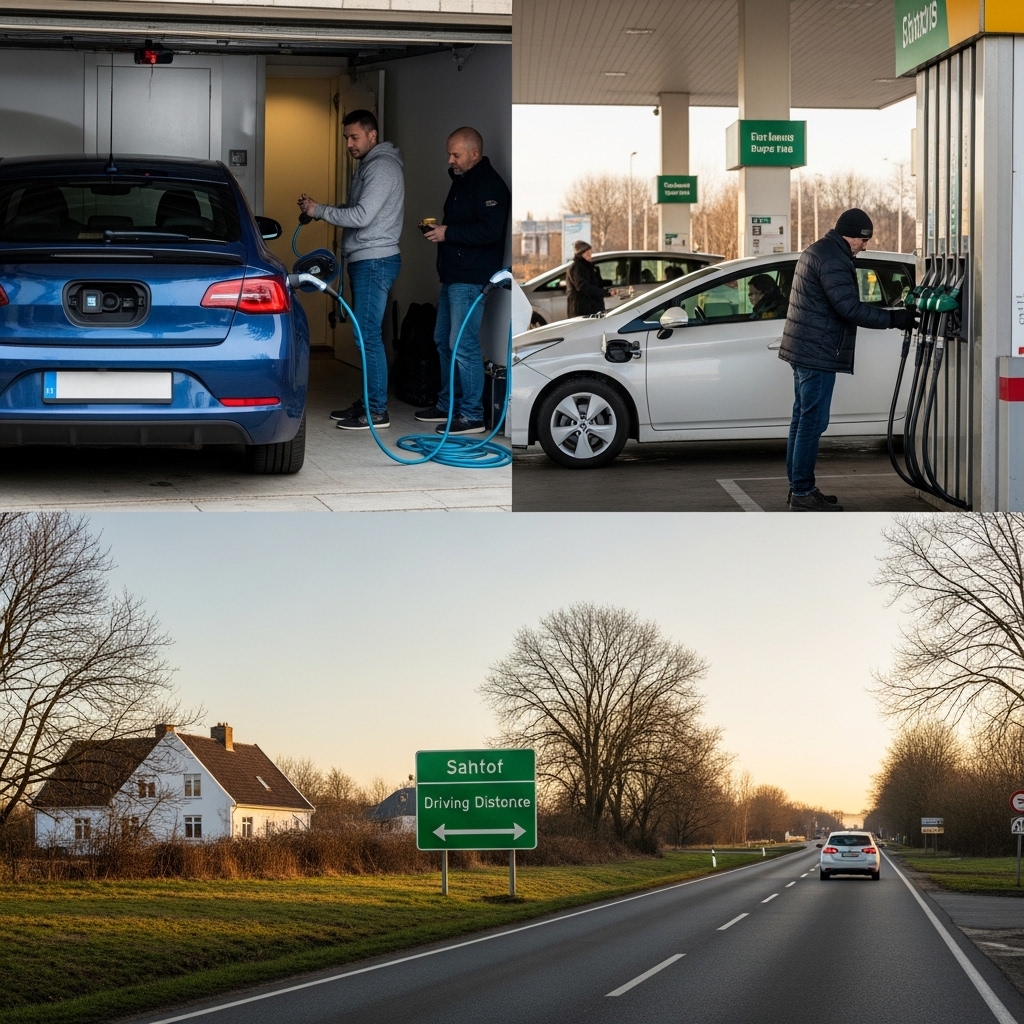
The charging question remains the dividing line for EV adoption. For buyers with home charging, an electric car can feel remarkably convenient. The daily ritual is simpler than visiting a gas station because the vehicle leaves each morning effectively “full” for normal commuting. For buyers without home charging, the experience can change completely. Public infrastructure is improving, but access is uneven, and convenience varies sharply by region, housing type and travel pattern. A buyer who depends entirely on public charging should treat that reality as a primary factor, not a footnote.
Long-distance travel is another area where the three options separate clearly. Gas vehicles remain the easiest for frequent road trippers, remote-area drivers and anyone who values maximum flexibility with minimal planning. Hybrids come close, adding efficiency without changing the refueling experience. EVs can handle long trips, and many now do so capably, but they still demand more route awareness, more tolerance for charging stops and more confidence that the network on paper matches the network in practice. For some drivers that is perfectly acceptable. For others it becomes a recurring annoyance.
Climate and geography also shape the decision. In colder regions, EV range can drop in winter and charging speeds may slow under certain conditions, which matters for buyers who regularly drive near the limits of a battery’s range. In hot regions, battery cooling and cabin air-conditioning can also affect efficiency, though usually less dramatically. Hybrids and gas vehicles are not immune to weather-related efficiency losses, but they tend to be more forgiving when convenience margins are already tight.
Resale value, once a major uncertainty for EVs, remains a mixed picture in 2026. The category is maturing, but the pace of battery and software improvement means older EVs can look dated faster than traditional vehicles, especially when new models arrive with much better range, faster charging or sharply lower prices. Hybrids tend to benefit from steadier consumer demand because they are familiar, efficient and easy to use. Gas vehicles still hold value well in segments where practicality dominates, though pressure is building over time as fuel prices and emissions rules evolve.
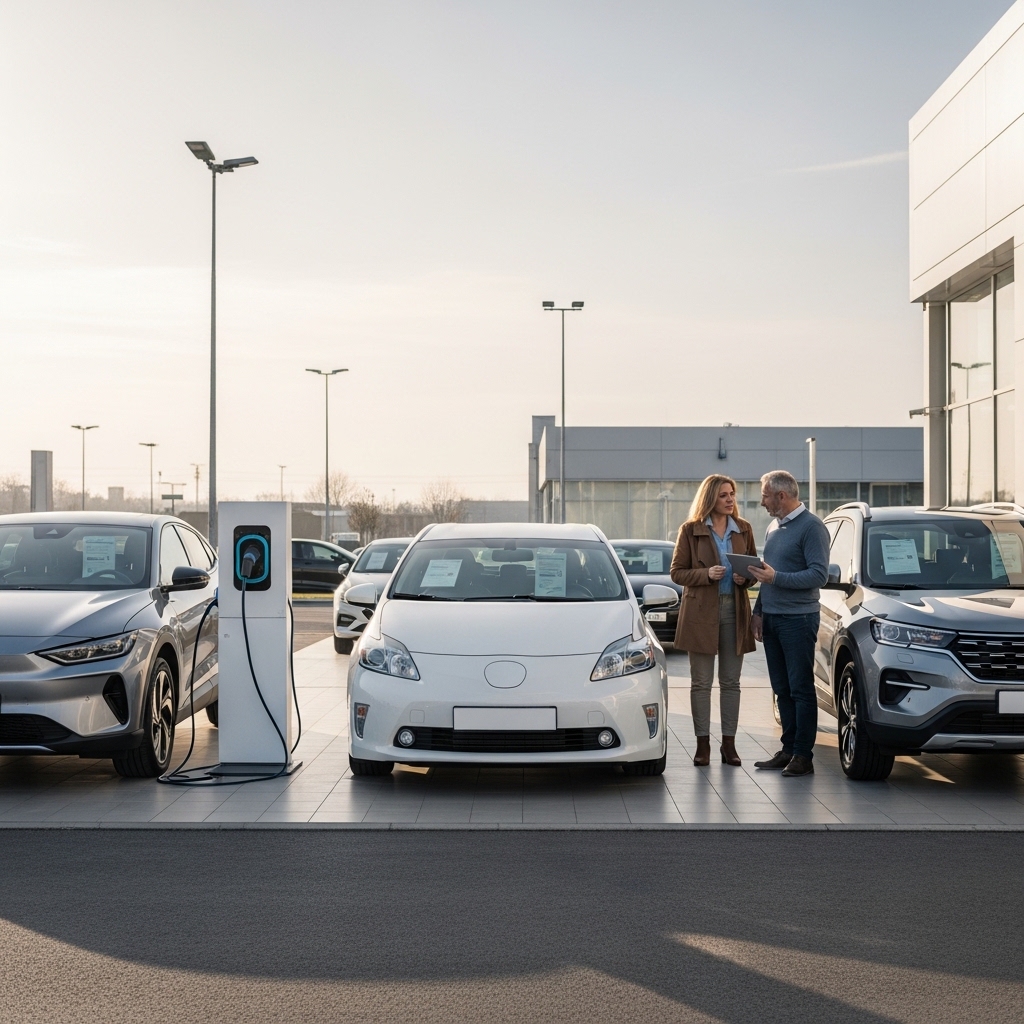
So what makes the most sense in 2026? For the average household, the answer is increasingly a hybrid. It offers the best all-around compromise between fuel savings, convenience, reliability and financial realism. It does not require a charging lifestyle, it reduces fuel costs materially and it avoids many of the uncertainties that still make some consumers hesitate over full electrics. It is the least disruptive upgrade from a gas car and, for many buyers, the most rational one.
The best choice for high-mileage commuters with home charging, stable electricity costs and a plan to keep the vehicle for years is often electric. In that use case, the EV’s strengths compound over time. The lower energy cost matters more, the maintenance advantage becomes more visible and the convenience of charging at home can outweigh the limitations of public infrastructure. An EV also makes the strongest sense for households that have a second vehicle for long trips or occasional flexibility needs.
Gasoline still makes the most sense for buyers with tight upfront budgets, uncertain charging access, irregular long-distance driving patterns or a strong preference for mechanical familiarity. It is also still a rational option in parts of the world where the EV ecosystem remains underdeveloped or where repair, resale and charging economics do not yet favor a switch.
The car market in 2026 is no longer moving in a single straight line toward one universal answer. It is splitting into use cases. Electric cars are increasingly the right answer for some people, hybrids are the smartest answer for many, and gas cars remain the practical answer for others. The most sensible buyer is not the one chasing the newest technology or defending the oldest one. It is the one matching the machine to the road, the budget and the reality of daily life.