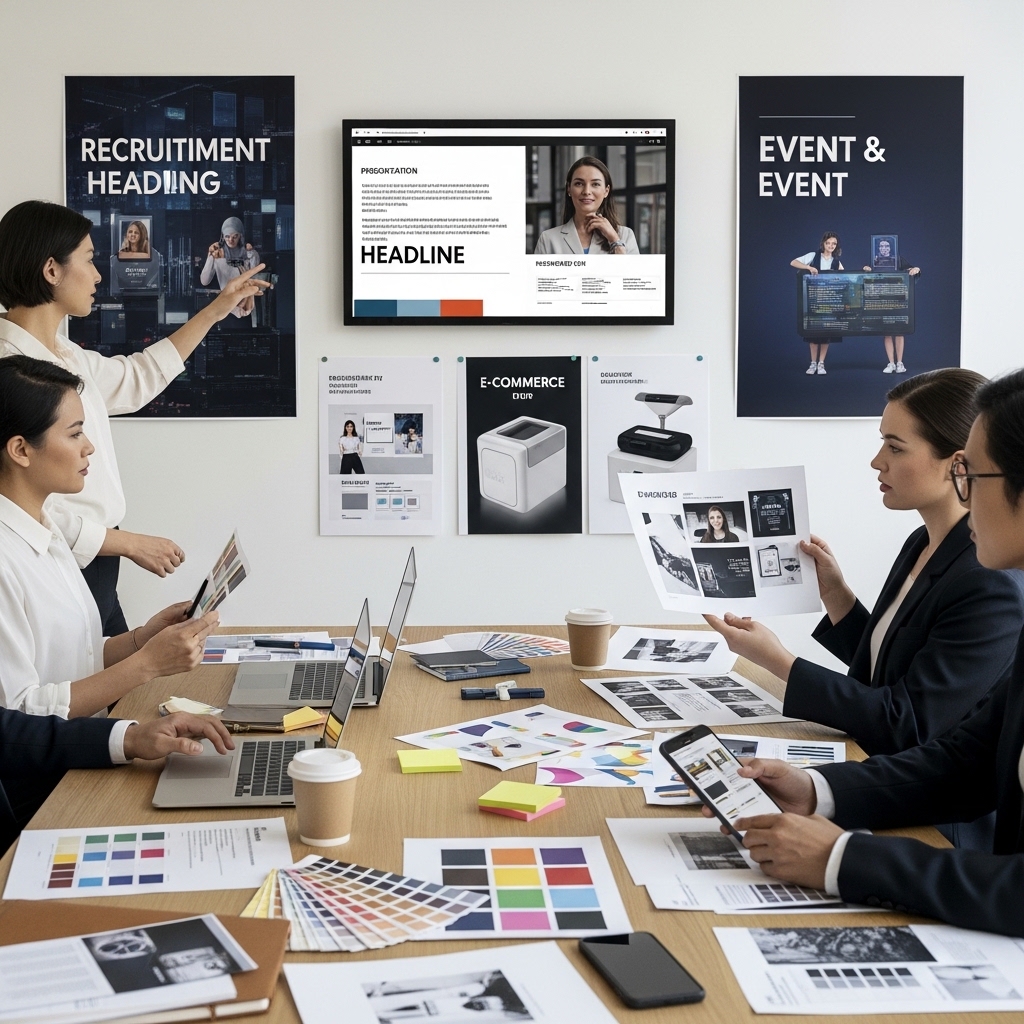
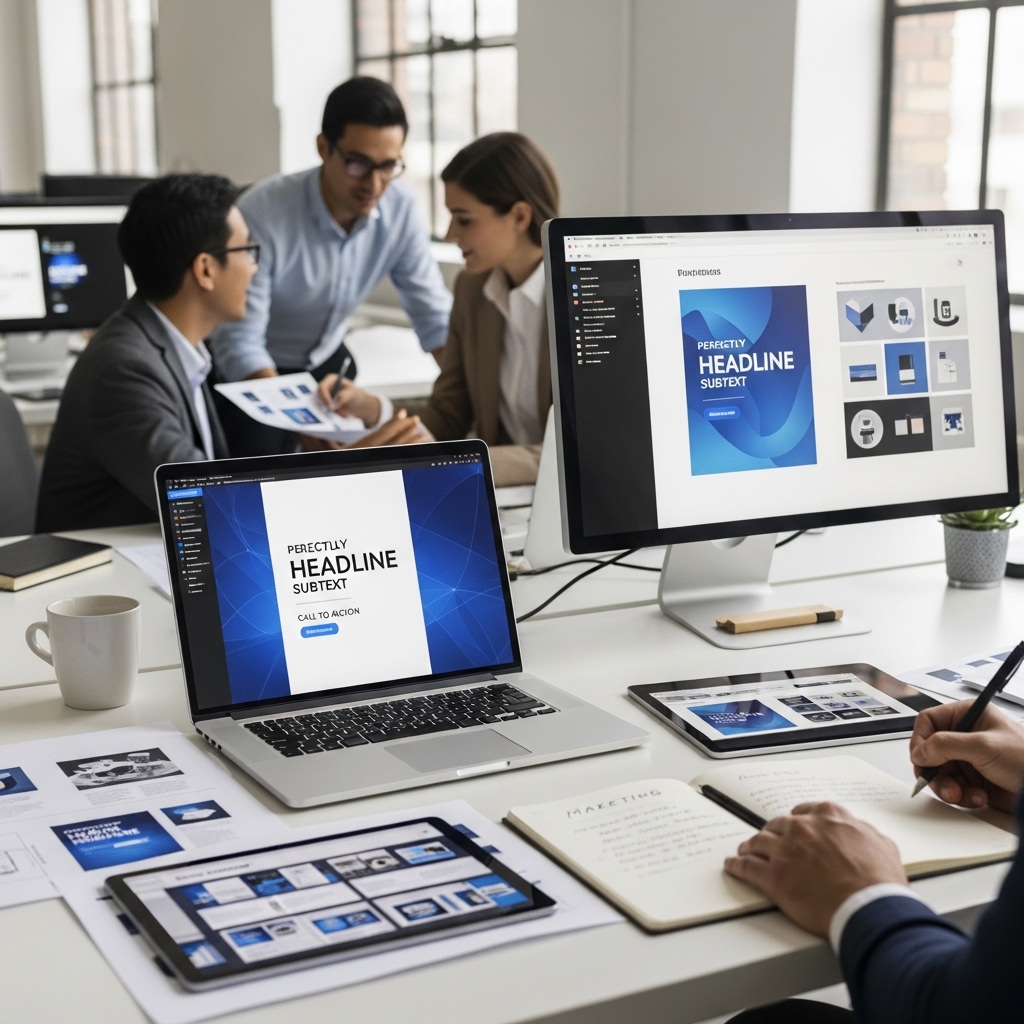
TechCrunch’s reporting on ChatGPT’s “Images 2.0” highlights a broader change in generative AI: success is no longer judged only by whether pictures look striking, but by whether they can be used for real tasks such as posters, slides, mockups and marketing drafts.
The latest wave of AI image systems is entering a new phase, one less defined by fantasy landscapes and viral aesthetics than by mundane but commercially important demands: readable headlines on posters, clean labels on product mockups, coherent layouts on slides, and edits that preserve the details users actually want to keep.
That shift was underscored by recent reporting from TechCrunch, which described ChatGPT’s new “Images 2.0” model as surprisingly strong at generating text inside images. The framing matters because for much of the modern image-generation boom, text rendering was one of the most obvious weak points. Models could produce luminous scenes, dramatic portraits and cinematic compositions, yet fail at something a junior designer, marketing intern or office worker needs every day: making an image that says exactly what it is supposed to say.
OpenAI’s own product material points in the same direction. In announcing upgrades to ChatGPT Images in December 2025, the company said the new version was powered by a flagship image model that delivers stronger instruction following, improved dense text rendering, more precise editing and generation speeds up to four times faster. OpenAI also presented the tool not just as a creative toy, but as something suitable for practical workflows, including marketing, branding and e-commerce image production.
Taken together, those signals suggest that AI image generation is maturing into a workplace product category. The question is no longer simply whether a model can make something beautiful. It is whether it can make something usable.
That is a more consequential test. A beautiful image can go viral. A usable one can fit into an organization’s daily operations.
For businesses, the appeal is obvious. Much of visual communication is repetitive, deadline-driven and modest in scope. A retailer may need ten variations of a product card. A startup may need a conference poster in several aspect ratios. A teacher may want a science diagram with labels that are legible. A sales team may need a draft slide visualizing a concept before a designer refines it. These are not museum-grade assignments. But they are frequent, valuable and often expensive when multiplied across teams and time.
Earlier generations of image models often struggled here. They might approximate a brochure cover or advertisement, but close inspection revealed warped letters, fake logos, misspelled phrases or typographic gibberish. That limited their usefulness in business settings, where an image containing the wrong product name or an unreadable slogan is not merely flawed but unusable. In many cases, users had to export the image and rebuild the text manually in PowerPoint, Figma, Photoshop or Canva, reducing the value of automation.
The promise of better text rendering therefore goes well beyond aesthetics. It closes one of the biggest gaps between experimentation and deployment.
OpenAI had already signaled this ambition in March 2025, when it introduced 4o image generation and said the model excelled at accurately rendering text, precisely following prompts and turning image generation into a more practical tool. By late 2025, the company was emphasizing denser text, more reliable edits and stronger preservation of branded elements across iterations. In product terms, that is the language of utility, not novelty.
The competitive implications are significant. For several years, the AI image race was dominated by public demos that rewarded spectacle: hyperrealism, painterly styles, surreal compositions and rapid stylistic imitation. Those benchmarks were visible and easy to share. But enterprise buyers and mainstream productivity users often care about other things: consistency, control, speed, layout stability, brand adherence and editability.
That change in priorities may alter how winners are judged. In consumer internet culture, the best image model may be the one that creates the most eye-catching output. In office software, the best image model may be the one that produces a decent trade-show banner on the first try, correctly spells the event title, preserves the company color palette and can revise one section without altering the rest.
Those are more ordinary tasks, but they represent a much larger and steadier market.
The new emphasis also helps explain why image generation is increasingly being folded into broader assistants rather than offered as a standalone novelty. Inside a conversational system like ChatGPT, the image tool does not have to begin from zero. A user can describe the audience, the message, the tone, the format and the revisions in natural language over multiple turns. That conversational context is particularly useful for work products. “Make me a recruiting poster for engineering hires.” “Now shorten the headline.” “Keep the photo, but change the background to a university campus.” “Add our logo and make the call-to-action clearer.” The more faithfully a model follows those instructions, the closer it gets to functioning like a practical design assistant.
That does not mean the problems are solved. OpenAI itself says the results remain imperfect and that there is still significant room for improvement. Text-heavy compositions remain difficult, especially when multiple languages, dense information hierarchies or precise brand rules are involved. Scientific, geographic or factual diagrams may still include subtle inaccuracies. Multi-element layouts can drift. And any business using generated visuals at scale still faces questions around review processes, copyright risk, brand safety and disclosure.
There is also a difference between a model that can create good text in an image and one that can be trusted for production without human oversight. Most organizations are unlikely to skip that oversight anytime soon. Design teams may welcome AI for draft generation, exploratory concepts and versioning, while still reserving final approval for humans. In that sense, the most immediate disruption may not be the replacement of professional designers, but the expansion of visual productivity for non-designers.
That could be transformative in its own right. Millions of workers routinely need visual materials but lack formal design skills. If AI can reliably produce a poster, event flyer, pitch cover, classroom handout or product mockup that is 70 to 80 percent usable, it can compress hours of work into minutes. The designer may still refine the final asset, but the blank page is no longer blank.
This is why TechCrunch’s observation resonates beyond one product cycle. “Better at text” may sound like a narrow technical improvement, but in practice it marks a shift in what the industry values. The frontier is moving from visual impressiveness to operational usefulness.
That evolution mirrors what happened in other parts of generative AI. Large language models first dazzled with poetry, mimicry and open-ended conversation, then moved into coding, summarization, search assistance and enterprise workflows. Image models appear to be following a similar path. The early era rewarded awe. The next era may reward reliability.
If that pattern holds, poster drafts, deck graphics, ad mockups, storefront concepts and editable campaign visuals could become the true proving ground of AI image systems. The decisive question will not be whether a model can make art that looks impressive in a social media post. It will be whether a marketing team, teacher, founder or office worker can open the result and actually use it.
That is a quieter milestone than the viral AI images that defined the category’s first breakout years. But it may prove more important.
Because once image generation becomes dependable enough for everyday work, it stops being a novelty feature and starts becoming infrastructure.