
Digital creators, micro-dramas and social platforms are changing who becomes famous and how entertainment is produced.
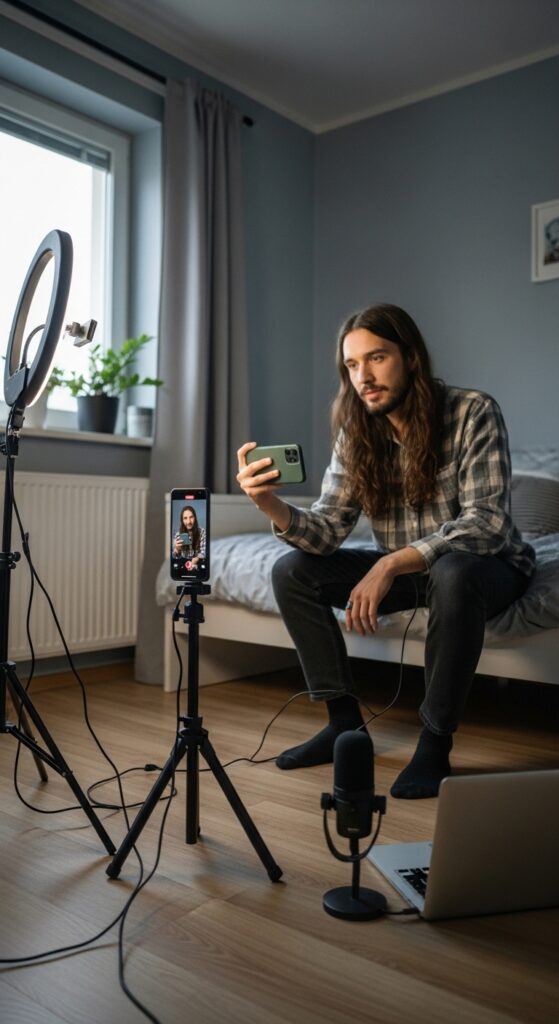
Fame used to move through studios, labels, television networks and magazines. Today it can begin with a phone camera, a short video and an algorithm. Creator culture has transformed entertainment by making production faster, cheaper and more direct.
Short-video platforms have changed audience behavior. People now consume comedy, music, commentary, drama, beauty, sports highlights and news-like entertainment in clips lasting seconds or minutes. These platforms do not merely distribute culture. They shape it by rewarding speed, personality and constant engagement.
The creator economy has produced new stars who operate outside traditional gatekeepers. Some build audiences larger than television networks. They sell products, launch brands, host live events and sign deals with major companies. Their influence comes from perceived closeness. Fans feel they know them personally.
This model has also changed professional entertainment. Studios and labels monitor social platforms for talent, trends and audience signals. A viral creator can become an actor, musician, host or entrepreneur. A song can become a hit because it works in a short-video format. A film campaign can succeed or fail depending on online conversation.
Micro-dramas are one of the clearest examples of the new entertainment logic. Often designed for vertical viewing on smartphones, these short serialized stories use fast plots, emotional reversals and cliffhangers. Originating strongly in China and spreading internationally, they show how scripted entertainment can adapt to mobile attention habits.
The economics are different from traditional television. Micro-dramas can be produced quickly and at lower cost. They rely on volume, algorithmic discovery and sometimes pay-per-episode models. Critics may dismiss them as formulaic, but their popularity reveals a real appetite for fast, emotional storytelling.
For creators, the opportunities are real but unstable. Platforms can change algorithms without warning. A creator’s income may depend on advertising rates, sponsorships, merchandise, subscriptions or live appearances. Virality can bring sudden wealth, but it can also fade quickly. The pressure to post constantly can damage mental health and creative quality.
Traditional entertainment companies are trying to adapt. Some partner with creators. Others build short-form teams or buy digital studios. But corporate systems often move slowly compared with online culture. A trend can appear, peak and disappear before a studio campaign is approved.
Authenticity is the currency of creator culture, but it is also easily commercialized. Audiences reward creators who feel honest, yet sponsorships and brand deals can weaken trust if they seem excessive. The most successful creators usually understand that community is more valuable than reach alone.
Artificial intelligence may accelerate the next phase. AI tools can help creators edit, translate, generate images and test formats. They may also flood platforms with synthetic content, making it harder for human creators to stand out. As production becomes easier, trust and personality may become even more important.
Short video has not replaced long-form entertainment. People still watch films, series, concerts and games. But it has changed the rhythm of culture. It determines what becomes a meme, what song breaks through, what face becomes familiar and what story spreads.
The entertainment map is no longer drawn only in Hollywood boardrooms or television studios. It is drawn every day on phones, by creators and audiences moving faster than the old industry ever imagined.”””
