
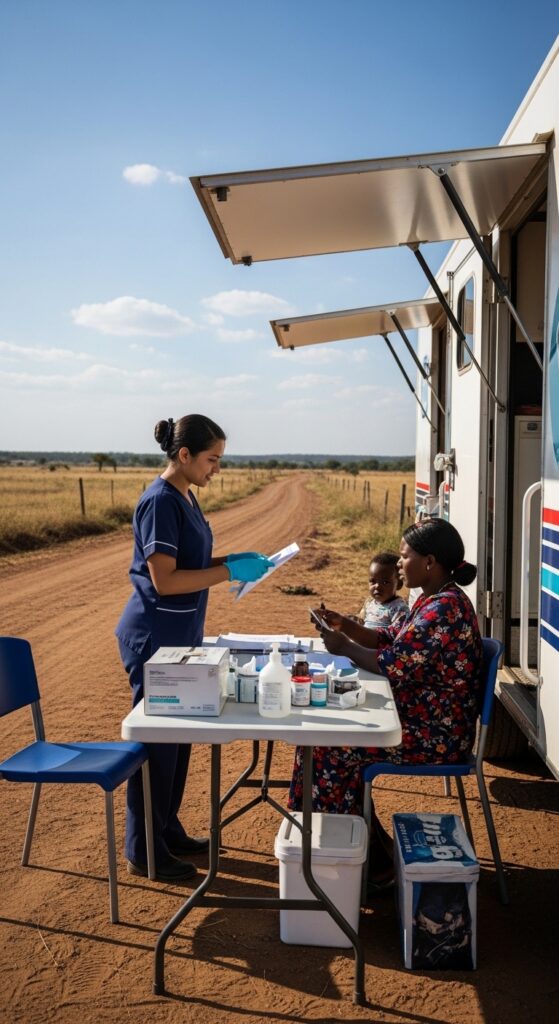
Medical breakthroughs are advancing rapidly, but millions still lack basic care, exposing a divide between what science can do and what people can actually receive.
Medicine has never been more advanced. Scientists can decode viruses, design targeted cancer therapies, perform complex surgery and deliver care through digital tools. Yet for millions of people, the most important health question remains basic: can they see a trained worker, obtain essential medicine and pay for treatment without being pushed into poverty?
Health inequality is the enduring diagnosis of global medicine. It appears between countries, within cities and across racial, ethnic, gender and income lines. A child’s chance of surviving birth, a woman’s access to safe maternity care or a patient’s cancer outcome can depend heavily on where they live and how much money they have.
The divide is not caused by biology alone. It is shaped by housing, sanitation, education, income, transport, discrimination, conflict and political choices. Health systems reflect society. When society is unequal, illness is distributed unequally.
Primary care is often the first missing link. Strong primary care can vaccinate children, manage high blood pressure, detect diabetes, support pregnancies and treat infections early. Weak primary care pushes patients toward emergency rooms or leaves them untreated until disease becomes severe. Building clinics is not enough. Systems need trained workers, medicines, records, referral pathways and trust.
Financial barriers are devastating. In many countries, families pay directly for care. A sudden illness can force the sale of assets, withdrawal of children from school or long-term debt. Universal health coverage is meant to protect people from such hardship, but coverage on paper does not always mean real access. Services may be distant, medicines unavailable or quality poor.
Rural communities face particular challenges. Clinics may be far away, transport expensive and specialists concentrated in cities. Telemedicine can help, but only where connectivity and follow-up care exist. A remote consultation cannot replace an ambulance, a laboratory or a supply of essential drugs.
Gender inequality shapes health outcomes. Women may face barriers to reproductive care, pain treatment, mental health support and diagnosis of conditions that present differently from men. In some places, social norms limit women’s ability to travel for care or make decisions about their own health. Maternal mortality remains one of the starkest indicators of health system failure.
Migrants, refugees and displaced people often fall through gaps. They may lack documents, language support or legal access to services. Conflict destroys hospitals, interrupts vaccination and increases trauma. Humanitarian health care can save lives, but long-term needs often outlast emergency funding.
New technology can either reduce or widen inequality. AI diagnostics, telehealth and precision medicine may improve access if designed for underserved populations. But they may also concentrate benefits among those already connected to advanced systems. Digital health tools that require smartphones, stable internet and health literacy can exclude the people who need care most.
The private sector plays a complicated role. Private clinics, insurers and pharmaceutical companies can expand services and innovation. But profit-driven systems may leave behind patients who cannot pay. Public regulation is essential to ensure that health is not treated only as a market.
Health inequality is not inevitable. Vaccination campaigns, community health workers, sanitation programs, tobacco control and affordable essential medicines have saved millions of lives. Countries at different income levels have shown that political commitment can improve outcomes.
The moral argument is clear, but so is the practical one. Unequal health systems are weaker systems. Diseases spread more easily when communities lack care. Economies suffer when preventable illness keeps people from working and learning. Trust erodes when people believe survival depends on wealth.
The future of health will not be judged only by scientific breakthroughs. It will be judged by whether those breakthroughs reach the people who need them. A medicine that exists but cannot be accessed is a promise only half kept.”””
