
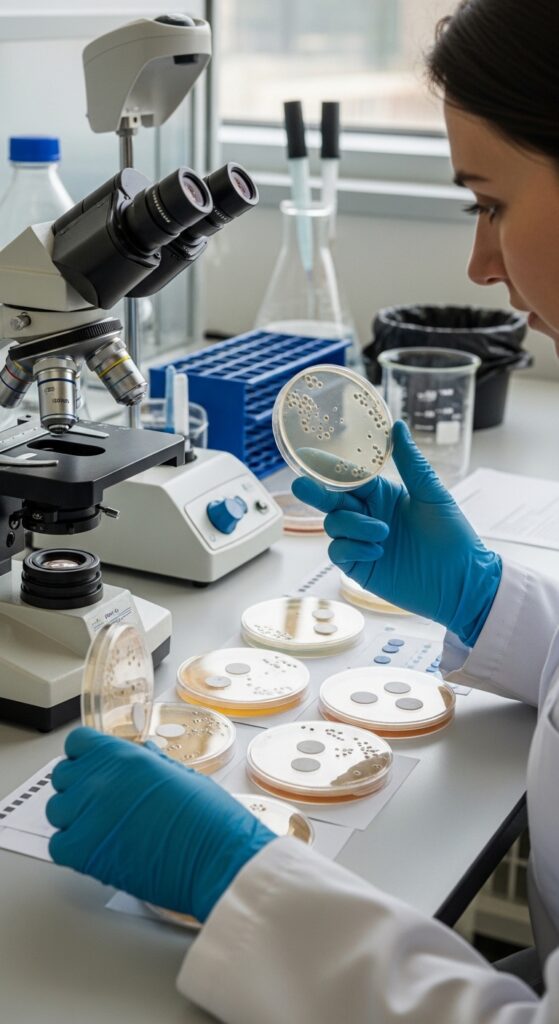
As bacteria and other pathogens evolve against existing drugs, routine infections and medical procedures could become more dangerous without urgent action.
Antibiotics changed medicine by turning once-deadly infections into treatable conditions. Surgery became safer. Childbirth became less dangerous. Cancer treatment and organ transplantation became possible with lower infection risk. Now that foundation is under threat.
Antimicrobial resistance occurs when bacteria, viruses, fungi or parasites no longer respond to medicines designed to kill them or stop their growth. The World Health Organization has described it as a major global health threat. Its spread is accelerated by misuse and overuse of antimicrobials in humans, animals and agriculture.
The danger is not theoretical. Resistant infections already make treatment harder, longer and more expensive. A urinary tract infection, wound infection or bloodstream infection can become dangerous if standard medicines fail. Hospitals must turn to second-line drugs that may be costlier, more toxic or less available.
The WHO’s recent surveillance reporting has warned that resistance is rising in common bacterial infections. In some regions, patients face a much higher chance that first-line treatments will not work. The problem is especially severe where laboratories are weak, antibiotics are available without proper oversight and infection prevention is underfunded.
Antimicrobial resistance is sometimes called a silent pandemic because it grows without the sudden visibility of a new virus. Its effects appear case by case: a child who does not respond to treatment, a surgery complicated by infection, a patient kept in hospital longer, a family forced to buy expensive medicines.
Misuse is a major driver. Antibiotics are often taken for viral illnesses, against which they do not work. Patients may stop treatment early or use leftover pills. In some places, antibiotics can be purchased without prescription. In agriculture, antimicrobials may be used to promote growth or prevent disease in crowded animal systems, contributing to resistance that can move through food, water and the environment.
The solution requires a One Health approach, linking human medicine, veterinary care, agriculture and environmental protection. Hospitals must improve infection control. Doctors need better diagnostic tools so they can distinguish bacterial from viral illness. Farmers need support to reduce unnecessary antimicrobial use. Pharmaceutical companies need incentives to develop new antibiotics, even though such drugs are often less profitable than medicines taken for years.
Access presents a difficult balance. Overuse drives resistance, but lack of access also kills. Many people still die because they cannot obtain effective antibiotics when they need them. Stewardship must not become restriction that leaves poor patients untreated. The goal is the right medicine, at the right dose, for the right patient.
New drugs offer hope, but the pipeline remains fragile. Antibiotic development is scientifically hard and commercially challenging. When new antibiotics are created, they must often be held in reserve to preserve effectiveness, limiting sales. Governments and global institutions are exploring new funding models to reward development without encouraging overuse.
Diagnostics are equally important. Rapid tests can reduce unnecessary prescribing and guide effective treatment. But many clinics lack basic laboratory capacity. Without testing, health workers often prescribe based on symptoms alone, especially when patients are seriously ill and time is short.
Public education matters. People need to understand that antibiotics are powerful shared resources, not ordinary consumer products. Every unnecessary use can reduce future effectiveness. Yet education must be paired with access to qualified care, because patients cannot make good decisions in systems that leave them untreated or uninformed.
Modern medicine depends on antimicrobials. Without them, routine procedures become riskier and infections regain power. The fight against resistance is not only about preserving drugs. It is about preserving the medical progress of the last century.”””
