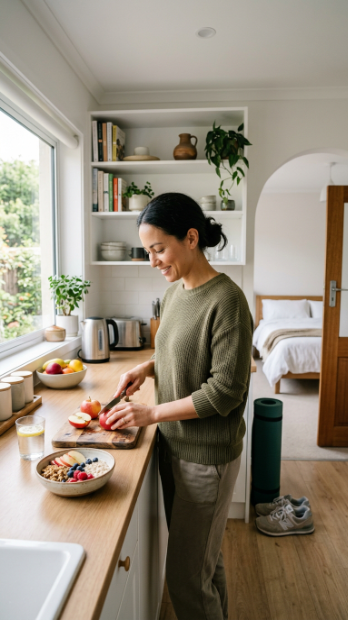
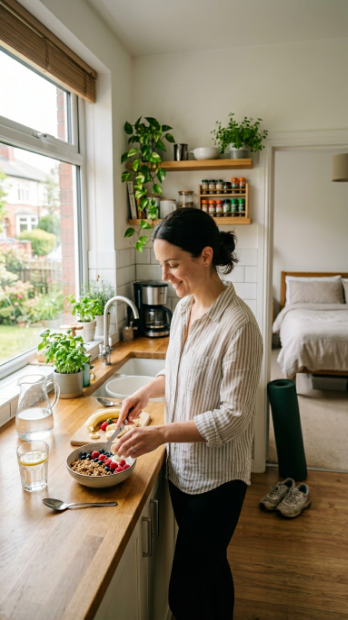
In public conversation, health is often framed as something dramatic: a diagnosis, a treatment plan, a fitness transformation, or a strict diet that promises fast results. But for most people, health is shaped less by extreme measures and more by ordinary choices repeated over time. The food on a plate, the walk taken after work, the hour of sleep lost to late-night scrolling, the pause taken to breathe before reacting to stress—these quiet habits build the foundation of daily well-being. The World Health Organization describes health-supporting behaviors such as balanced eating, physical activity, mental well-being, and self-care as essential parts of maintaining health and preventing disease.
A healthy lifestyle does not require perfection. In fact, one of the biggest barriers to better health is the belief that change must be large, immediate, and flawless. Many people start with energy, then stop when life becomes busy or motivation fades. A more realistic approach is to think of health as a system of support rather than a test of discipline. The goal is not to become a different person overnight. The goal is to create routines that make daily life feel steadier, more energetic, and more manageable. WHO’s guidance on self-care emphasizes that people, families, and communities can take practical steps to promote health, prevent disease, and maintain well-being in everyday life.
Food is one of the clearest examples of this principle. A balanced diet is not only about avoiding illness; it also affects energy, concentration, and how people feel throughout the day. WHO advises that a healthy diet varies by age, lifestyle, culture, and available foods, but it consistently emphasizes variety, balance, and moderation. Eating more vegetables, fruit, legumes, nuts, and whole grains while reducing excess salt, free sugars, and unhealthy fats can support long-term health. Highly processed foods, especially those high in salt, sugar, and unhealthy fats, have become more common in many diets, making intentional food choices more important than ever. This does not mean every meal has to be ideal. It means building a pattern in which nutritious foods are normal, accessible, and enjoyable.
That pattern often begins with very practical decisions. Preparing meals at home more often can make it easier to control ingredients and portion sizes. Keeping simple foods on hand—such as fruit, yogurt, eggs, beans, oats, rice, leafy vegetables, or nuts—can reduce the temptation to rely on convenience food when tired or rushed. Drinking water regularly instead of automatically reaching for sugary drinks is another small but meaningful shift. Healthier eating also becomes more sustainable when it avoids guilt and rigid rules. People are more likely to continue habits that fit their budget, culture, schedule, and taste. A useful question is not “Is my diet perfect?” but “Does the way I usually eat help me feel and function better?” WHO notes that the exact make-up of a healthy diet will differ between individuals, which is why flexibility matters.
Movement plays a similar role. Exercise is often associated with athletic goals or body image, yet its real value is broader. Physical activity supports general health, lowers the risks linked to inactivity, and contributes to better physical and mental well-being. WHO recommends that adults do at least 150 minutes of moderate-intensity physical activity per week, or 75 minutes of vigorous-intensity activity, or an equivalent combination, with muscle-strengthening activities on two or more days each week. That guidance can sound formal, but in practice it can be broken into manageable pieces: brisk walking, cycling, climbing stairs, carrying groceries, stretching, dancing, or short home workouts. The point is not to chase intensity every day. The point is to reduce long periods of sitting and help the body stay active in a consistent way.
For many adults, the best exercise plan is the one that feels possible on a difficult day. A 20-minute walk may not look impressive online, but it can improve mood, circulation, and routine. Standing up between long work sessions, taking calls while walking, or adding a few minutes of strength exercises at home can gradually change how the body feels. Consistency matters more than image. Health habits become stronger when they are attached to daily life rather than reserved for ideal conditions. A person who moves regularly in modest ways is often building a more durable foundation than someone who relies only on occasional bursts of effort. WHO’s physical activity guidance also highlights the importance of reducing sedentary behavior, not just exercising in isolation.
Sleep is another pillar that people often neglect until problems become obvious. Yet sleep affects attention, mood, recovery, judgment, and daily safety. The CDC describes sleep health as an important public health issue and advises people to speak with a healthcare provider if they regularly have trouble sleeping or notice signs of sleep disorders. In ordinary life, sleep is often the first thing sacrificed to deadlines, entertainment, or stress. But a routine lack of rest can make healthy eating harder, exercise less appealing, and emotional balance more fragile. Good sleep is rarely produced by one trick. It is usually supported by regular timing, a calmer evening routine, reduced stimulation before bed, and a sleep environment that allows the body to wind down.
Mental well-being deserves equal attention. WHO defines mental health not simply as the absence of illness, but as a state of well-being that helps people cope with life’s stresses, realize their abilities, work productively, and contribute to their communities. This is an important reminder that health is not only physical performance. It also includes emotional resilience, self-awareness, and the ability to recover from strain. In everyday terms, caring for mental well-being can mean setting boundaries, maintaining supportive relationships, taking breaks, limiting overload, and recognizing when stress is no longer manageable alone. These steps are not luxuries. They are part of responsible self-care.
What makes this especially relevant today is the pace of modern life. Many people live in an environment of constant alerts, background anxiety, and fragmented attention. The result is not always a dramatic breakdown. More often, it is a quieter kind of depletion: irritability, poor focus, emotional fatigue, and the sense of moving through the day without enough energy for oneself. Rebuilding well-being in that context often begins with reducing friction. That could mean putting the phone away during meals, taking ten minutes outside in daylight, declining commitments that exceed capacity, or protecting one part of the day from interruption. Small changes cannot solve every problem, but they can create space for recovery and clarity. WHO’s self-care framework supports this broader understanding of health maintenance in daily life.
Perhaps the most helpful way to think about health is not as a project of self-optimization, but as a form of daily support. A good routine does not need to look impressive. It needs to help a person live with more steadiness, strength, and balance. A simple breakfast, regular movement, enough sleep, moments of mental reset, and a kinder pace toward oneself may not produce dramatic headlines, but they shape real outcomes over time. Public health guidance consistently points toward the same conclusion: sustainable well-being grows from balanced habits, not extremes. In a culture that often celebrates intensity, there is something quietly powerful about choosing the basics and returning to them again and again.