Global media giants navigate a complex landscape of record breaking musical legacies and generative shifts as April 2026 redefines the entertainment economy
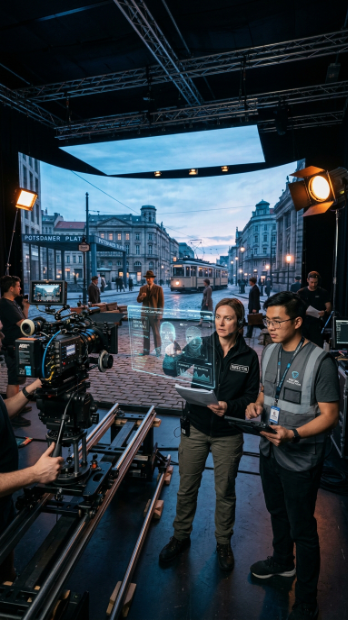
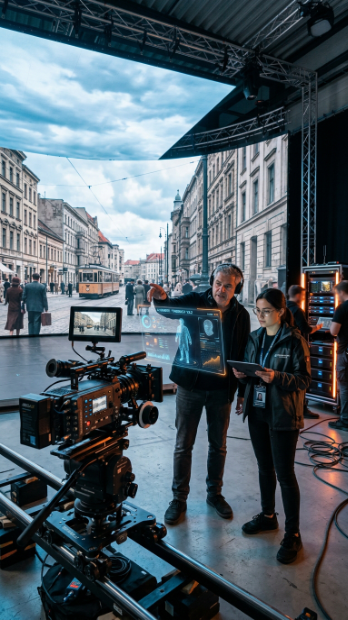
The global entertainment landscape in April 2026 is currently witnessing a profound and unsettling transition where the boundaries between human legacy and machine intelligence are becoming increasingly porous. This week represents a critical milestone in the digital transformation of media as the industry grapples with the global premiere of the high stakes Michael Jackson biopic while simultaneously navigating the rapid integration of generative AI into mainstream content production. Industry analysts report that the traditional greenlight process has been fundamentally altered with studios now prioritizing intellectual property that can be easily adapted into multi platform digital ecosystems including interactive VR experiences and short form social content. As legacy media companies struggle to maintain their footing in an era of hyper personalization the very definition of what constitutes entertainment is being rewritten by algorithms that can predict and satisfy audience cravings with uncanny precision.
The primary focus of the theatrical market this month is the world premiere of the feature film Michael in Berlin. Lionsgate is banking on a staggering seven hundred million dollars in global box office receipts for the biopic which aims to humanize the King of Pop sixteen years after his death. The production arrives at a time when the genre of the musical biopic is thriving despite ongoing controversies surrounding the subjects life. Mark Anthony Neal a prominent professor of African American Studies has noted that the film attempts to tell the most human story possible which stands in sharp contrast to the increasingly synthetic nature of modern celebrity culture. The success of this film is seen as a bellwether for the industry as studios look to historical icons to provide a sense of authenticity and collective experience in a market that is otherwise becoming highly fragmented by digital distractions.
While the box office looks back at legends the streaming sector is hurtling toward a future defined by AI powered hyper personalization. Netflix has recently expanded its April slate with titles like Thrash and the second season of Beef integrating advanced recommendation engines that do more than suggest titles they now help shape the actual pacing and trailer generation of the content based on individual viewer engagement patterns. This surge in automation has created a new class of creative professionals known as prompt engineers and AI orchestrators who manage the output of sophisticated models to ensure brand consistency and narrative coherence. However the human cost of this efficiency remains a subject of intense debate among labor unions. Organizations like SAG AFTRA are currently locked in negotiations seeking stronger protections against the unauthorized use of digital replicas as the lines between a living actor and a high fidelity digital twin continue to blur.
In the music industry the month of April has been dominated by the launch of the BTS 2026 world tour which kicked off on April ninth. The scale of the tour is unprecedented with seventy nine confirmed performances and potential expansion to over one hundred shows. This massive physical undertaking is being supported by a sophisticated digital merchandising strategy as HYBE enters global distribution agreements to monetize the tour across both print and video platforms. The convergence of live performance and digital commerce is reaching a new peak with fans now able to purchase virtual merchandise and exclusive digital content in real time through high speed mobile networks. This shift toward a hybrid revenue model is essential as the cost of physical touring continues to rise due to global logistics challenges and inflationary pressures.
The theatrical experience is also undergoing a selective renaissance where high end exhibitors are investing in multisensory technologies to differentiate the moviegoing experience from the home environment. High fidelity cloud gaming and live interactive events are being integrated directly into the cinema setting allowing audiences to participate in the narrative rather than just observing it. This evolution has led to a bifurcated market where audiences either watch content in highly fragmented bursts on social media or commit to a premium high intensity experience in a theater. Interestingly there is also a growing counter movement of nostalgic consumption with sales of physical media including vinyl records and specialized collectors editions seeing a surprising uptick as fans seek to own a tangible piece of the culture they love.
Financially the industry is grappling with a new era of strategic specialization and massive acquisitions. Pershing Squares sixty four billion dollar bid for Universal Music Group has sent shockwaves through the financial world highlighting the immense value of music catalogs in the age of streaming and AI. Major distributors are also consolidating with Secretly Distribution recently acquiring several music data and analytics firms to better compete with the tech giants. Audience intelligence has become the most valuable currency with studios spending billions on proprietary data platforms that track every click and gaze to build hyper granular fan profiles. This level of surveillance allows for a degree of targeted marketing that was once unimaginable but it also raises significant ethical questions regarding consumer privacy and the manipulation of cultural trends.
As April 2026 draws to a close the entertainment industry stands at a threshold that feels both exhilarating and precarious. The technological tools available to creators are more powerful than ever before allowing for a level of visual spectacle and interactive depth that would have been impossible a decade ago. Yet the challenge remains to ensure that these tools enhance rather than replace the human spark that makes art meaningful. The audience for their part seems to be embracing the new digital reality while simultaneously yearning for the communal and authentic experiences that have always been at the heart of storytelling. Whether through a high definition biopic on a massive screen or a virtual concert experience in the metaverse the human need for shared stories remains constant and the industrys ability to adapt to this new era will determine its survival for decades to come.