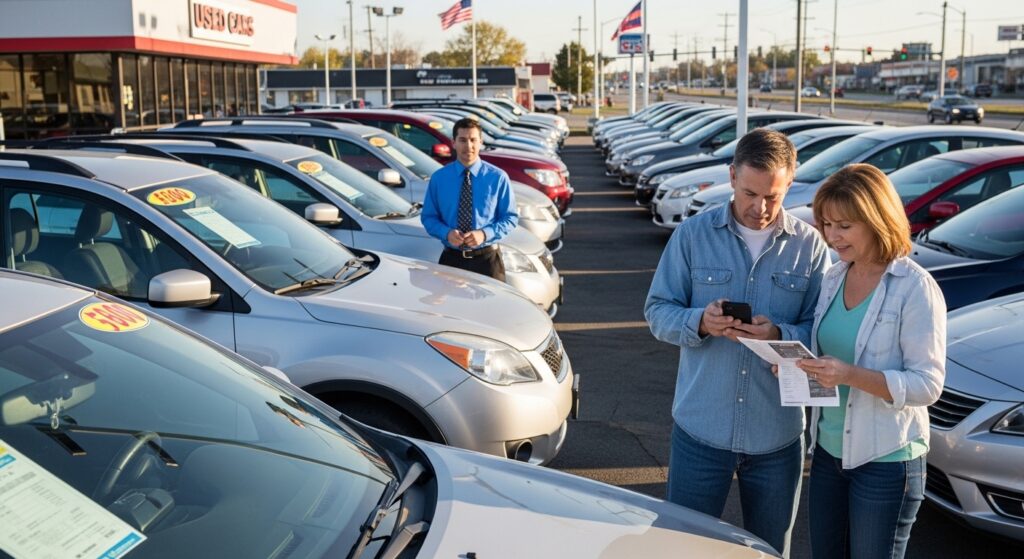
With new-vehicle prices high, monthly payments stubbornly expensive and many modern vehicles built to last, the used-car market continues to offer a practical route to mobility for millions of Americans.
In the American car market, the used vehicle has long been cast as the compromise choice: less glamorous than new, more vulnerable to wear, and often purchased with a mixture of caution and necessity. But in recent years, that old hierarchy has started to look less convincing. For many buyers, a used car is not simply the cheaper alternative. It is the smarter one.
That shift begins with a basic financial reality. New vehicles have become expensive enough to push a growing share of households out of the showroom or into painful monthly payments. In a market where even mainstream models can carry price tags once associated with luxury segments, the appeal of a used vehicle is no longer hard to explain. It is immediate. Buyers who choose used are often not settling for less transportation. They are avoiding the steepest part of the cost curve.
The first advantage is purchase price. Even after the disruptions of the pandemic era and the prolonged volatility that followed, a used vehicle typically remains the most direct way for a buyer to lower the total cost of getting on the road. The buyer may not receive the newest styling, the largest screen or the latest package of driver-assistance features. But what they often get is something more valuable in practical terms: a manageable financial commitment. In a period when interest rates and insurance costs continue to weigh on households, that difference matters.
It matters even more because the savings do not end at the sticker price. A lightly used car can spare a buyer from the sharpest early depreciation that hits many new vehicles as soon as they leave the lot. That dynamic has long been one of the strongest arguments for buying used, and it remains persuasive. The first owner absorbs the immediate drop in value. The second owner steps into a vehicle that may still have years of useful life ahead of it, but at a lower price point and often with a more stable value trajectory.
This is especially relevant in a market where affordability shapes nearly every decision. For many American buyers, the question is not whether they would enjoy a new car. It is whether they can justify one. A used vehicle offers room to think in more grounded terms: reliability, fuel economy, maintenance history, repair costs and payment size. That tends to produce a different kind of purchase. It is less about novelty and more about fit.
Modern vehicles also complicate the old assumption that “used” automatically means “near the end.” Cars and trucks are lasting longer than they once did. Better engineering, stronger manufacturing quality, improved rust protection and more advanced onboard diagnostics have all helped extend vehicle life. A model with 60,000 or even 90,000 miles on it may still have many years of service left, particularly if it has been maintained properly. For buyers willing to research vehicle history, inspection records and ownership patterns, the used market can offer far more durability than its reputation sometimes suggests.
That durability has changed the emotional logic of buying secondhand. A used car used to carry more uncertainty because the lifespan of the vehicle itself was shorter and less predictable. Today, many buyers view a two- or three-owner vehicle as a reasonable bet rather than a risky last resort. That does not eliminate the need for caution. Mechanical problems, accident history and deferred maintenance remain real concerns. But the baseline quality of vehicles on the road has improved enough that buying used often looks more rational than anxious.
There is also a strategic case for used cars in a market undergoing technological transition. Many Americans remain unsure what kind of vehicle they want next. Electric vehicles are expanding, but charging access, resale concerns and fast-changing model lineups still make some buyers hesitant. Hybrids attract strong interest, but pricing and availability can be inconsistent. Gasoline vehicles remain the familiar option, yet buyers know the industry is evolving toward more software-heavy, electrified products. In that kind of market, choosing used can be a way to delay a larger commitment. It gives buyers time.
That waiting function is underrated. A used vehicle can serve as a bridge purchase, allowing households to postpone a major decision until prices improve, infrastructure expands or technology becomes clearer. Instead of locking into a costly new loan during a period of uncertainty, a buyer can choose a reliable used sedan, crossover or pickup and revisit the question a few years later. In that sense, buying used is not merely reactive. It can be a deliberate form of flexibility.
Used vehicles also widen access to categories that would otherwise be unaffordable. A new pickup truck, family SUV or well-equipped all-wheel-drive crossover may sit beyond the reach of many households. In the used market, those same segments become possible. Buyers can move up in size, utility or equipment without moving beyond their budget. For families balancing school runs, work commutes, road trips and tight monthly expenses, that trade-off can be decisive. The used market does not just lower costs. It expands options.
Then there is insurance, a mounting issue for American drivers. Premiums have risen sharply in many areas, making total ownership costs harder to manage even before fuel and repairs are counted. Used vehicles do not automatically guarantee cheap insurance, especially in categories like pickups or high-theft models, but a lower vehicle value often helps soften the burden compared with a brand-new replacement. For cost-conscious buyers, that can tip the math.
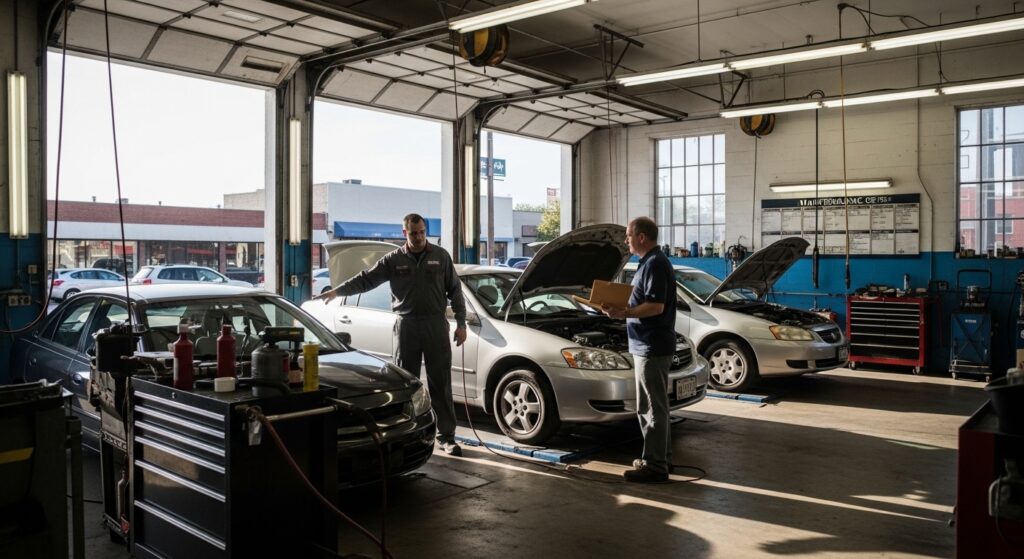
The used market also rewards knowledge in a way the new market often does not. A disciplined buyer can compare ownership histories, known reliability records, recall data, service intervals and independent mechanic opinions before making a decision. Entire communities now exist online to track which engines to avoid, which transmissions have aged well and which model years are worth targeting. That information advantage means a careful shopper can enter the used market with more confidence than earlier generations of buyers ever had.
None of this means used cars are a perfect solution. Prices remain elevated compared with the norms of a decade ago. Financing a used vehicle can still be expensive, particularly for borrowers with weaker credit. Older vehicles can surprise owners with repair bills, and some buyers will always prefer the peace of mind that comes with a factory warranty and untouched history. But the persistence of those drawbacks has not erased the broader logic. For many consumers, the used market still offers the strongest balance between cost, utility and flexibility.
That is particularly true in an economy where mobility is essential but household budgets remain under pressure. In much of the United States, a car is not optional. It is the tool that gets people to work, school, childcare, medical appointments and family obligations. When the need is that basic, value matters more than prestige. A used car that starts every morning and stays within budget can be the more intelligent purchase than a new one that stretches finances thin.
The deeper reason used cars remain a smart choice is that the American vehicle market has changed. The new-car market increasingly caters to buyers with higher incomes and more tolerance for large monthly payments. The used market, by contrast, remains where pragmatism still has room to operate. It is where buyers can seek reliability without paying for every new feature, where they can avoid the sharpest depreciation, and where they can maintain financial breathing room in a period of high costs and uncertain technology shifts.
For many American buyers, that is not a fallback strategy. It is a rational one. In a market defined by affordability pressure, longer vehicle lifespans and caution about what comes next, the used car remains what it has always been at its best: not merely a cheaper vehicle, but a smarter way to buy mobility.