Building Fitness from the Ground Up
Many people are interested in exercise, but not everyone knows where to begin. The world of fitness can look exciting from the outside, yet confusing once someone takes the first step. There are countless training styles, online tips, equipment choices, and opinions about what works best. Some people think they need advanced knowledge before starting. Others believe they must train hard every day to see results. In reality, the strongest fitness journeys are usually built on simple foundations.
The first and most important principle is consistency. A basic routine done regularly is far more effective than an intense plan followed only for a few days. This may sound obvious, but it is where many people struggle. Beginners often start with too much ambition. They decide to train every day, cut out all favorite foods, wake up early, and change everything at once. For a short time, this can feel motivating. But when the routine becomes exhausting, discouragement arrives quickly. Sustainable fitness is built differently. It grows through repeatable actions.
A good starting point is to focus on movement frequency rather than performance. In other words, before worrying about speed, heavy weights, or advanced techniques, it helps to develop the habit of moving several times each week. This could mean walking for thirty minutes, doing beginner bodyweight exercises at home, stretching in the morning, or cycling around the neighborhood. The goal is not to impress anyone. The goal is to teach the body and mind that movement belongs in everyday life.
Cardiovascular exercise is one of the easiest places to begin. Walking, jogging, swimming, dancing, and cycling all improve heart and lung function while supporting endurance. For beginners, walking is especially valuable. It is low-impact, adaptable, and surprisingly effective. A brisk walk can improve circulation, reduce stress, and build the confidence needed for more demanding activities later. Many experienced athletes still include walking in their routines because of its recovery and health benefits.
Strength training should also be part of any basic fitness program. Some beginners avoid it because they assume it is too difficult or only meant for people who want larger muscles. In truth, strength training supports nearly every aspect of physical health. It helps improve posture, stabilizes joints, increases bone strength, and makes daily activities easier. Lifting grocery bags, climbing stairs, standing for long periods, and carrying children all become easier when the body is stronger.
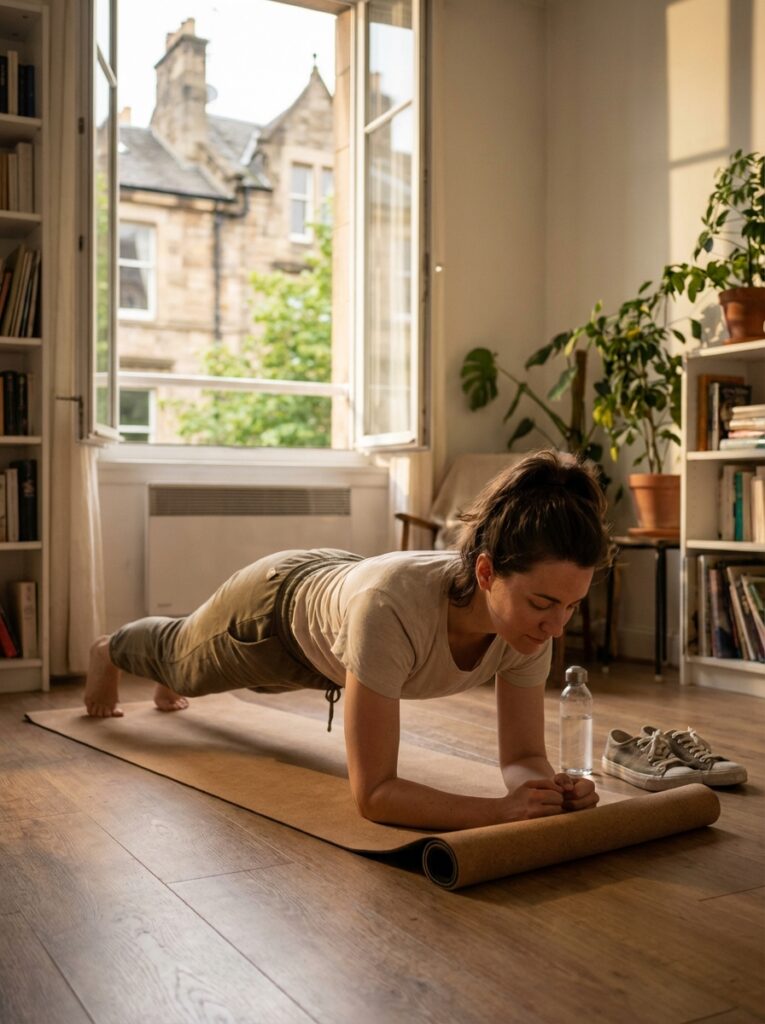
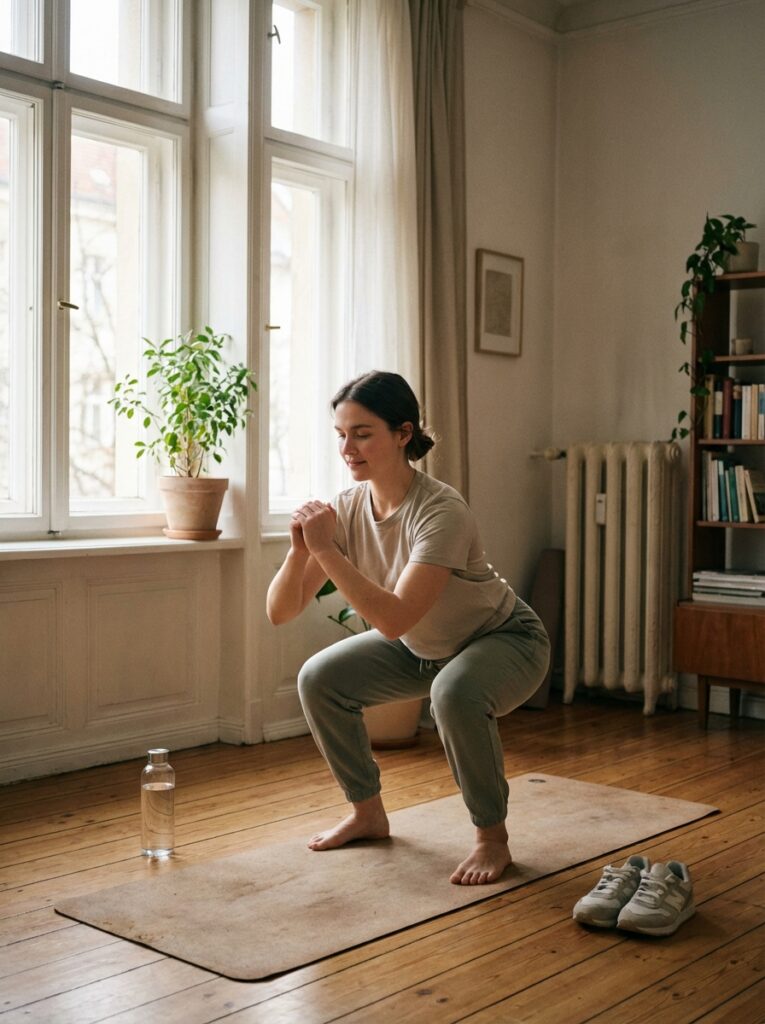
The good news is that strength training does not require a gym at the beginning. Squats, lunges, push-ups against a wall, glute bridges, planks, and step-ups can all be done at home with little or no equipment. These movements teach coordination and body awareness while building a strong base. Over time, resistance bands, dumbbells, or gym machines can be added if desired. What matters most is learning proper form and moving with control.
Mobility and flexibility are often overlooked, yet they deserve more attention. Many people spend long hours sitting at desks, driving, or using screens. This creates stiffness in the hips, shoulders, back, and neck. A few minutes of stretching or mobility work each day can improve movement quality, reduce discomfort, and make workouts safer. Mobility is not only for athletes or yoga practitioners. It is a basic part of physical function, especially in modern life.
One of the most common mistakes beginners make is comparing themselves to others. Social media can make fitness look fast and dramatic, but real progress is usually quiet and gradual. Someone may post the final result of a long transformation without showing the months of difficulty that came before it. Others may share impressive workouts that are not appropriate for every body or experience level. Comparison can turn a healthy routine into a source of frustration. A better approach is to compare today’s self with last month’s self. Has energy improved? Has sleep become better? Is movement more comfortable? These signs matter.
Another essential lesson is that soreness is not the only sign of an effective workout. People sometimes believe that a session only “counts” if it leaves them completely exhausted. This belief can lead to overtraining or fear of gentler exercise. In fact, a good workout is one that challenges the body appropriately and supports long-term improvement. Some days will feel hard, while others should feel manageable. Both are useful.
Recovery is part of training, not a break from it. Muscles grow stronger during recovery, not during the workout itself. Sleep is especially important because it supports repair, hormone balance, and mental freshness. Poor sleep can reduce performance, motivation, and resilience. Hydration matters too. Water supports circulation, temperature control, and muscle function. Many people underestimate how much better they feel when they consistently drink enough fluids.
Nutrition for active living should also be realistic. Extreme diets may create short-term changes, but they are difficult to maintain. A more helpful strategy is to build balanced meals that provide energy and satisfaction. Protein supports muscle repair. Carbohydrates provide fuel for exercise and daily movement. Healthy fats support hormones and overall health. Fruits and vegetables offer fiber, vitamins, and minerals. Eating well does not mean eating perfectly. It means building habits that support activity without making life feel restrictive.
Setting the right goals can make a major difference. Some goals are outcome-based, such as losing a certain amount of weight or finishing a race. These can be useful, but process-based goals often create stronger habits. For example, exercising three times a week, walking 8,000 steps a day, or stretching for ten minutes every evening are practical targets that encourage action. When people focus only on distant results, they may lose motivation. When they focus on daily behavior, they create momentum.
Support can also play an important role. Some people thrive when exercising alone, while others benefit from group classes, workout partners, or online communities. Encouragement makes it easier to stay committed, especially during weeks when motivation is low. Accountability does not have to be intense. Sometimes it is as simple as having a friend ask, “Did you go for your walk today?”
There is also value in learning to enjoy movement for its own sake. Not every exercise session needs to feel like work. Playing badminton, hiking with friends, dancing at home, shooting basketballs at a local court, or joining a weekend football game all count as meaningful physical activity. Enjoyment increases consistency because people naturally return to what makes them feel alive.
Fitness is not a single destination. It is a relationship with the body that changes over time. Some seasons are strong and energetic. Others are slower and more challenging. Injuries, work pressure, family responsibilities, and emotional stress can all affect training. This does not mean progress is lost. It means fitness should be flexible enough to adapt to real life.
The most successful people in fitness are not always the most talented. Often, they are the ones who keep returning to the basics. They move regularly, rest well, eat with balance, and stay patient through slow progress. They understand that health is built from ordinary choices repeated over time.
For anyone standing at the beginning of the journey, the message is encouraging: you do not need to be advanced to start. You do not need perfect equipment, endless motivation, or expert-level knowledge. You only need a starting point and the willingness to continue. Fitness grows from the ground up, one walk, one stretch, one workout, and one small promise to yourself at a time.