Sport has long been an essential part of human life, transcending cultures, generations, and backgrounds. From professional competitions watched by millions to casual activities enjoyed in local communities, sport reflects not only physical ability but also discipline, teamwork, and personal growth. In modern society, sport is no longer limited to stadiums or elite athletes—it has become a daily lifestyle element that contributes to health, connection, and inspiration.
This article explores how sport influences everyday life, highlights current trends in participation and engagement, and explains why it continues to play a vital role in both individual well-being and society as a whole.
The Expanding Meaning of Sport
Traditionally, sport was associated with organized competitions, rules, and performance. Today, the definition has broadened. It includes recreational activities, fitness routines, and informal games that people engage in for enjoyment and health.
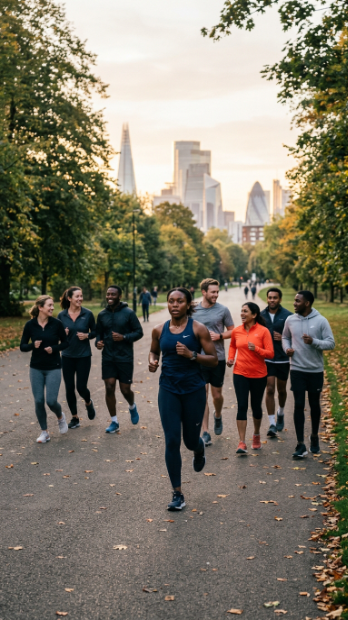
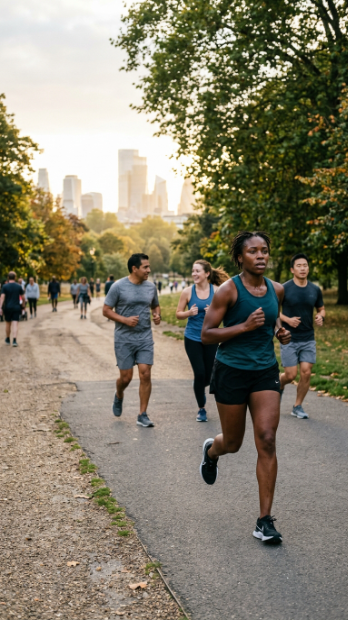
This shift reflects a growing understanding that sport is not only about winning but also about participation. Whether it is running in a park, playing football with friends, or practicing yoga at home, these activities are all part of a modern sports culture.
The accessibility of sport has increased significantly. Public spaces, online platforms, and community programs make it easier for people of all ages and abilities to stay active.
Physical Benefits: Strengthening the Body
One of the most recognized aspects of sport is its impact on physical health. Regular participation in sports activities helps improve cardiovascular fitness, muscle strength, flexibility, and coordination.
Some key physical benefits include:
- Improved heart and lung function
- Increased energy levels
- Better posture and mobility
- Support for long-term health maintenance
Engaging in sport regularly can also help individuals develop better body awareness. Over time, this awareness contributes to safer movement and reduced risk of injury.
Importantly, the benefits are not limited to high-intensity activities. Even moderate sports such as walking, swimming, or cycling can provide meaningful improvements when practiced consistently.
Mental and Emotional Impact
Sport also plays a significant role in mental well-being. Physical activity is closely linked to improved mood, reduced stress, and enhanced focus.
Participation in sport can:
- Provide a break from daily pressures
- Improve concentration and mental clarity
- Foster a sense of achievement
- Encourage emotional resilience
For many people, sport becomes a way to manage stress and maintain balance in busy lives. The rhythm of movement, combined with clear goals, creates a structured and rewarding experience.
Social Connection Through Sport
Beyond individual benefits, sport serves as a powerful tool for social connection. It brings people together, fosters teamwork, and builds a sense of community.
Team sports, in particular, encourage:
- Communication and collaboration
- Shared goals and mutual support
- Respect for rules and fair play
Even individual sports can create social opportunities through clubs, events, or online communities. These connections contribute to a sense of belonging and shared experience.
Everyday Sports: Making Activity Part of Life
Modern lifestyles often involve long hours of sitting or screen time. As a result, integrating sport into daily routines has become increasingly important.
Everyday sports do not require special equipment or significant time commitments. Simple activities can make a difference, such as:
- Walking or cycling instead of driving short distances
- Playing recreational games during free time
- Participating in local sports events or classes
The focus is on consistency rather than intensity. Small, regular efforts can lead to lasting improvements in both health and overall quality of life.
Trends in Modern Sports Culture
Sports culture continues to evolve, influenced by technology, social trends, and changing lifestyles.
Some notable trends include:
1. Digital Fitness and Online Training
Online platforms now offer guided workouts, live classes, and performance tracking. This allows individuals to engage in sports activities from home while still receiving structured guidance.
2. Inclusive and Accessible Sports
There is a growing emphasis on making sport accessible to people of all abilities and backgrounds. Community programs and adaptive sports initiatives are helping to broaden participation.
3. Focus on Wellness Over Competition
While competition remains important, many people are shifting their focus toward overall wellness. This includes enjoying the process of movement rather than focusing solely on results.
4. Hybrid Lifestyles
People are combining traditional sports with modern routines, such as mixing gym workouts with outdoor activities or integrating short exercise sessions into busy schedules.
Discipline and Personal Growth
Sport teaches valuable life skills that extend beyond physical activity. These include discipline, time management, and perseverance.
Regular participation often requires:
- Setting goals and working toward them
- Managing time effectively
- Overcoming challenges and setbacks
These experiences contribute to personal development and can positively influence other areas of life, including work and relationships.
The Role of Spectator Sports
While participation is important, spectator sports also play a major role in modern culture. Watching professional athletes can inspire individuals to become more active and engaged.
Major sporting events bring communities together, creating shared moments of excitement and pride. They also highlight the importance of dedication, teamwork, and excellence.
For many, following sports teams or athletes becomes part of their identity and daily routine.
Balancing Sport with Daily Responsibilities
One common challenge is finding time for sport within busy schedules. Work, family, and other commitments can limit opportunities for physical activity.
To address this, individuals can:
- Schedule sports activities like any other important task
- Choose flexible and convenient options
- Combine social time with physical activity
Balance is key. Sport should enhance life, not create additional stress. Finding enjoyable activities increases the likelihood of maintaining long-term habits.
Safety and Sustainability
While sport offers many benefits, it is important to approach it safely. Proper preparation, gradual progression, and attention to the body’s signals are essential.
Basic safety practices include:
- Warming up before activity
- Using appropriate equipment
- Allowing time for rest and recovery
Sustainability is also important. Choosing activities that can be maintained over time helps ensure consistent participation and long-term benefits.
Conclusion
Sport is more than just competition—it is a powerful part of everyday life that supports physical health, mental well-being, and social connection. As modern lifestyles continue to evolve, sport remains a flexible and accessible way to improve quality of life.
By integrating simple activities into daily routines, staying consistent, and focusing on enjoyment, individuals can build a sustainable relationship with sport. Whether through casual play, structured training, or community participation, sport offers opportunities for growth, balance, and inspiration.
Ultimately, the value of sport lies not only in performance but in the positive impact it brings to everyday living.