In today’s fast-paced world, “lifestyle” is no longer just about what we wear or where we travel. It has evolved into a deeper, more intentional approach to how we live each day. From the way we organize our homes to the habits we build and the choices we make as consumers, modern lifestyle is about creating a life that feels both meaningful and manageable.
At its core, lifestyle is a reflection of priorities. For many people, the challenge lies in balancing work responsibilities, personal relationships, and individual passions. The rise of digital technology has made life more convenient, but it has also blurred the boundaries between work and rest. As a result, more individuals are actively seeking ways to reclaim their time, reduce stress, and build a more harmonious daily routine.
The Shift Toward Intentional Living
One of the most noticeable trends in modern lifestyle is intentional living. Rather than reacting to daily demands, people are becoming more proactive in shaping how they spend their time and energy. This might involve setting clear boundaries between work and personal life, or simply choosing to focus on fewer but more meaningful activities.
Intentional living often starts with awareness. By understanding how time is spent throughout the day, individuals can identify habits that no longer serve them. For example, excessive screen time or multitasking may reduce productivity and increase mental fatigue. Replacing these habits with focused work sessions or mindful breaks can significantly improve overall well-being.
Minimalism has also gained popularity as part of this movement. However, modern minimalism is less about owning fewer items and more about making thoughtful choices. It encourages people to keep what adds value and let go of what doesn’t, whether that applies to physical belongings, commitments, or even digital clutter.
Creating a Functional and Inspiring Living Space
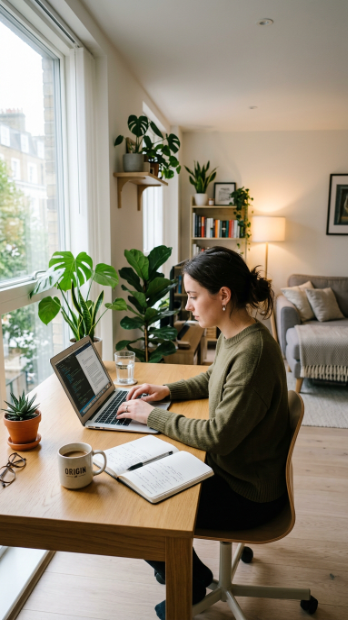
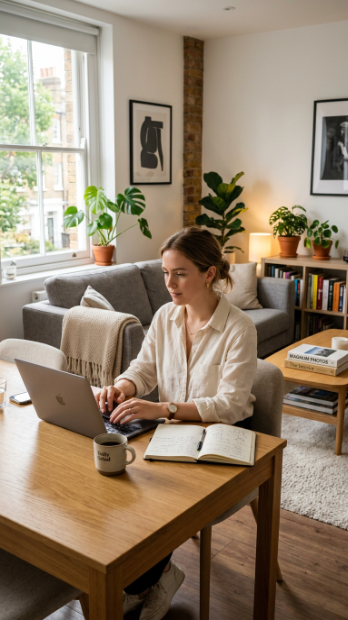
The environment we live in plays a crucial role in shaping our lifestyle. A well-organized and aesthetically pleasing space can enhance mood, boost productivity, and support healthier habits. This is why many people are investing time and effort into designing living spaces that are both functional and inspiring.
Small changes can make a significant difference. Rearranging furniture to improve natural light, adding plants to bring a sense of calm, or decluttering frequently used areas can transform how a space feels. The goal is not perfection, but comfort and practicality.
The concept of “home as a sanctuary” has become especially important in recent years. As more people work or study from home, the need for distinct zones—such as a workspace, relaxation area, and social corner—has increased. These zones help create structure and prevent the overlap of responsibilities, which can lead to burnout.
Building Sustainable Daily Habits
A balanced lifestyle is built on consistent habits rather than occasional bursts of motivation. Simple routines, when practiced regularly, can have a profound impact on physical and mental health.
Morning routines are often highlighted as a foundation for a productive day. While there is no universal formula, effective routines typically include a combination of movement, reflection, and planning. This could be as simple as a short walk, a few minutes of journaling, or reviewing daily priorities.
Equally important are evening routines. Winding down properly can improve sleep quality and prepare the mind for the next day. Reducing screen exposure, engaging in relaxing activities, and maintaining a consistent sleep schedule are all strategies that contribute to better rest.
It’s important to note that sustainable habits should be realistic. Overly ambitious plans can lead to frustration and abandonment. Instead, gradual changes—such as adding one new habit at a time—are more likely to succeed in the long run.
Smarter Consumption in a Modern World
Lifestyle is also closely linked to how people consume products and services. With increasing awareness of environmental and ethical issues, many individuals are becoming more conscious of their purchasing decisions.
This shift does not necessarily mean spending more money, but rather spending more thoughtfully. Choosing quality over quantity, supporting local businesses, and considering the long-term value of products are all part of this approach.
Digital consumption is another important aspect. The content we engage with daily—whether on social media, news platforms, or entertainment services—can influence our mindset and emotions. Curating a healthier digital environment by following informative and positive sources can contribute to a more balanced lifestyle.
Time Management and Personal Efficiency
Time is one of the most valuable resources in modern life. Effective time management is essential for maintaining balance and reducing stress. However, productivity is not just about doing more; it’s about doing what matters most.
One effective strategy is prioritization. Identifying key tasks and focusing on them first can prevent the feeling of being overwhelmed. Techniques such as time blocking or setting specific work intervals can also improve efficiency.
Equally important is the ability to rest. Contrary to popular belief, taking breaks does not reduce productivity—it enhances it. Short pauses during the day can help maintain focus and prevent burnout.
Flexibility is another key element. Life is unpredictable, and rigid schedules can sometimes create unnecessary pressure. Allowing room for adjustments ensures that routines remain supportive rather than restrictive.
Enhancing Everyday Experiences
Modern lifestyle is not only about efficiency and organization; it is also about enjoyment. Finding joy in everyday moments can significantly improve overall life satisfaction.
This might involve simple pleasures such as cooking a favorite meal, listening to music, or spending time outdoors. It could also mean exploring new hobbies or reconnecting with old interests. These activities provide a sense of fulfillment that goes beyond work and responsibilities.
Social connections are equally important. Maintaining meaningful relationships with family and friends contributes to emotional well-being. Even small interactions—such as a shared meal or a conversation—can strengthen these bonds.
Travel and exploration, when possible, also play a role in enriching life experiences. However, modern lifestyle emphasizes quality over frequency. Even short trips or local adventures can provide a refreshing change of perspective.
The Balance Between Work, Family, and Self
Achieving balance does not mean giving equal time to every aspect of life. Instead, it means aligning time and energy with personal values. For some, this might involve dedicating more time to family, while for others, it could mean pursuing personal growth or creative projects.
Communication is essential in maintaining this balance. Setting expectations with colleagues, family members, and even oneself can prevent misunderstandings and reduce stress. Learning to say “no” when necessary is also a valuable skill.
Self-care is often misunderstood as indulgence, but in reality, it is a necessity. Taking care of physical and mental health enables individuals to perform better in all areas of life. This includes regular exercise, healthy eating, and seeking support when needed.
Conclusion
Lifestyle today is about more than trends—it is about creating a life that feels authentic and sustainable. By making intentional choices, designing supportive environments, and building meaningful habits, individuals can achieve a sense of balance in an otherwise hectic world.
There is no single formula for the perfect lifestyle. What works for one person may not work for another. The key is to remain flexible, stay aware of personal needs, and continuously adjust as life evolves.
Ultimately, a well-designed lifestyle is not defined by perfection, but by progress. It is a journey of small, consistent improvements that lead to a more fulfilling and balanced life.