In recent years, the automotive industry has undergone one of the most significant transformations in its history. From the rise of electric vehicles (EVs) to the integration of advanced safety technologies and smart connectivity, cars are no longer just a means of transportation—they have become intelligent systems designed to enhance convenience, safety, and sustainability.
For American drivers, this evolution is reshaping not only how people drive, but also how they think about mobility in their daily lives. Whether commuting to work, taking long road trips, or navigating urban traffic, modern vehicles are changing the driving experience in ways that were unimaginable just a decade ago.
The Shift Toward Electric Vehicles
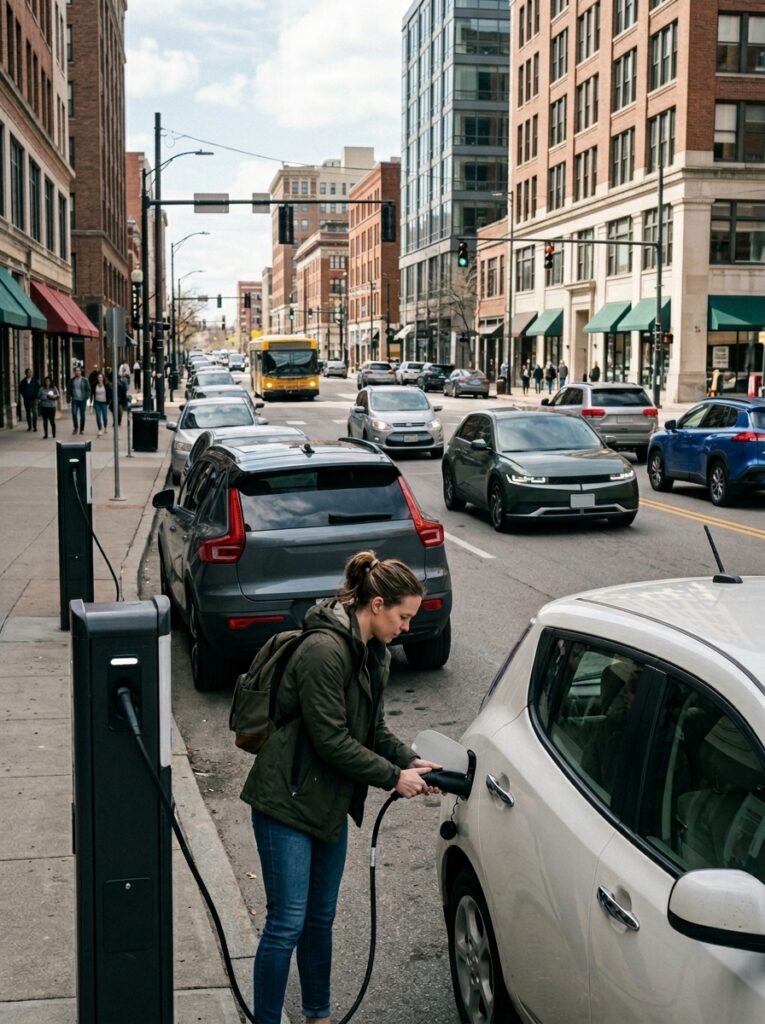
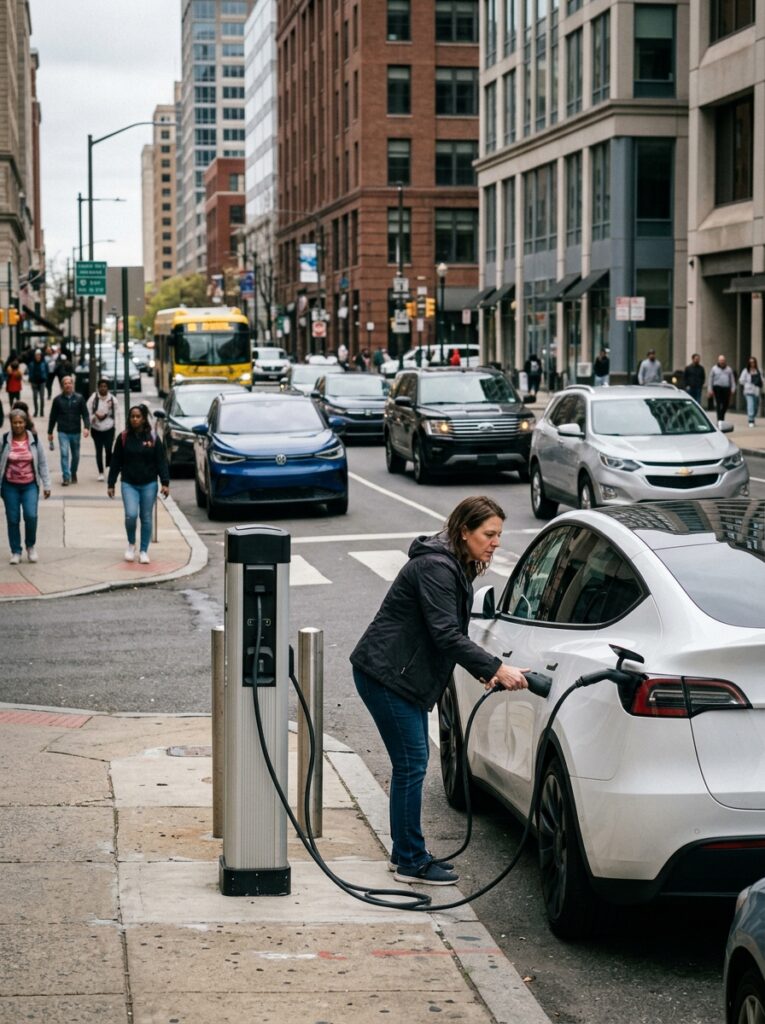
One of the most noticeable trends in today’s automotive landscape is the rapid adoption of electric vehicles. Once considered niche products, EVs are now entering the mainstream, driven by improvements in battery technology, government incentives, and growing environmental awareness.
Major automakers are investing billions of dollars in electric platforms, and consumers are responding. Electric cars offer several advantages, including lower fuel costs, reduced emissions, and quieter operation. For many drivers, the idea of charging a car at home instead of visiting a gas station is a major convenience.
However, the transition is not without challenges. Charging infrastructure remains uneven across different regions, and concerns about battery range still influence purchasing decisions. Despite these issues, the momentum behind EVs continues to grow, suggesting that electric mobility will play a dominant role in the future of transportation.
Advanced Safety Features Are Becoming Standard
Safety has always been a top priority in the automotive industry, but recent technological advancements have taken it to a new level. Features that were once considered luxury options are now becoming standard in many vehicles.
Systems such as automatic emergency braking, lane-keeping assist, blind-spot monitoring, and adaptive cruise control are designed to reduce human error—the leading cause of most accidents. These technologies act as a second set of eyes, constantly monitoring the environment and assisting the driver when necessary.
In addition, modern cars are equipped with multiple airbags, reinforced structures, and improved crash detection systems. Some vehicles can even automatically contact emergency services in the event of a collision, providing critical information such as location and severity.
For everyday drivers, these innovations translate into increased confidence on the road and a greater sense of security for themselves and their families.
The Rise of Smart and Connected Cars
Today’s cars are more connected than ever before. With built-in internet connectivity, drivers can access navigation, entertainment, and real-time traffic updates directly from their dashboards.
Smart features such as voice assistants, smartphone integration, and over-the-air software updates are becoming standard. These capabilities allow vehicles to improve over time, much like smartphones, without requiring a visit to the dealership.
Connectivity also enhances convenience. Drivers can remotely start their cars, check battery levels, or locate their vehicles using mobile apps. For families, features like driver monitoring and location tracking provide additional peace of mind.
However, as cars become more connected, concerns about data privacy and cybersecurity are also emerging. Manufacturers are working to address these issues by implementing stronger security measures and encryption systems.
Practical Tips for Car Ownership and Maintenance
While modern vehicles are more advanced than ever, proper maintenance remains essential to ensure long-term performance and reliability.
1. Regular Maintenance Checks
Routine inspections, including oil changes, tire rotations, and brake checks, are crucial. Even electric vehicles require maintenance, particularly for tires, brakes, and cooling systems.
2. Battery Care for EV Owners
For electric vehicles, maintaining battery health is key. Avoiding extreme temperatures, not overcharging frequently, and using recommended charging practices can extend battery life.
3. Tire Maintenance
Proper tire pressure improves fuel efficiency and safety. Drivers should check tire pressure regularly and replace worn tires promptly.
4. Keep Software Updated
For connected vehicles, software updates are just as important as mechanical maintenance. Updates often include performance improvements and security enhancements.
5. Drive Responsibly
Aggressive driving can increase wear and tear on a vehicle. Smooth acceleration and braking not only improve safety but also extend the lifespan of key components.
Changing Consumer Preferences
American consumers are increasingly prioritizing practicality, efficiency, and sustainability when choosing a vehicle. SUVs and trucks remain popular, but there is growing interest in hybrid and electric models.
Additionally, younger generations are placing greater emphasis on technology and connectivity. Features such as touchscreen interfaces, wireless charging, and advanced driver-assistance systems are often deciding factors in purchasing decisions.
At the same time, ride-sharing and car subscription services are influencing how people think about vehicle ownership. For some, owning a car is no longer a necessity but a lifestyle choice.
The Road Ahead
Looking forward, the automotive industry is expected to continue evolving rapidly. Autonomous driving technology, while still in development, has the potential to redefine transportation entirely. Self-driving cars could reduce accidents, improve traffic flow, and provide mobility solutions for people who are unable to drive.
Sustainability will also remain a key focus. Governments and manufacturers are working toward reducing emissions and promoting cleaner transportation solutions. This includes expanding charging infrastructure, improving battery recycling, and developing alternative fuels.
Conclusion
The modern car is no longer just a machine—it is a complex, intelligent system that reflects broader changes in technology, society, and environmental awareness.
For American drivers, these advancements offer both opportunities and challenges. While new technologies bring greater convenience and safety, they also require adaptation and understanding.
Ultimately, the future of driving is about more than just getting from point A to point B. It is about creating a smarter, safer, and more sustainable way to move through the world.