
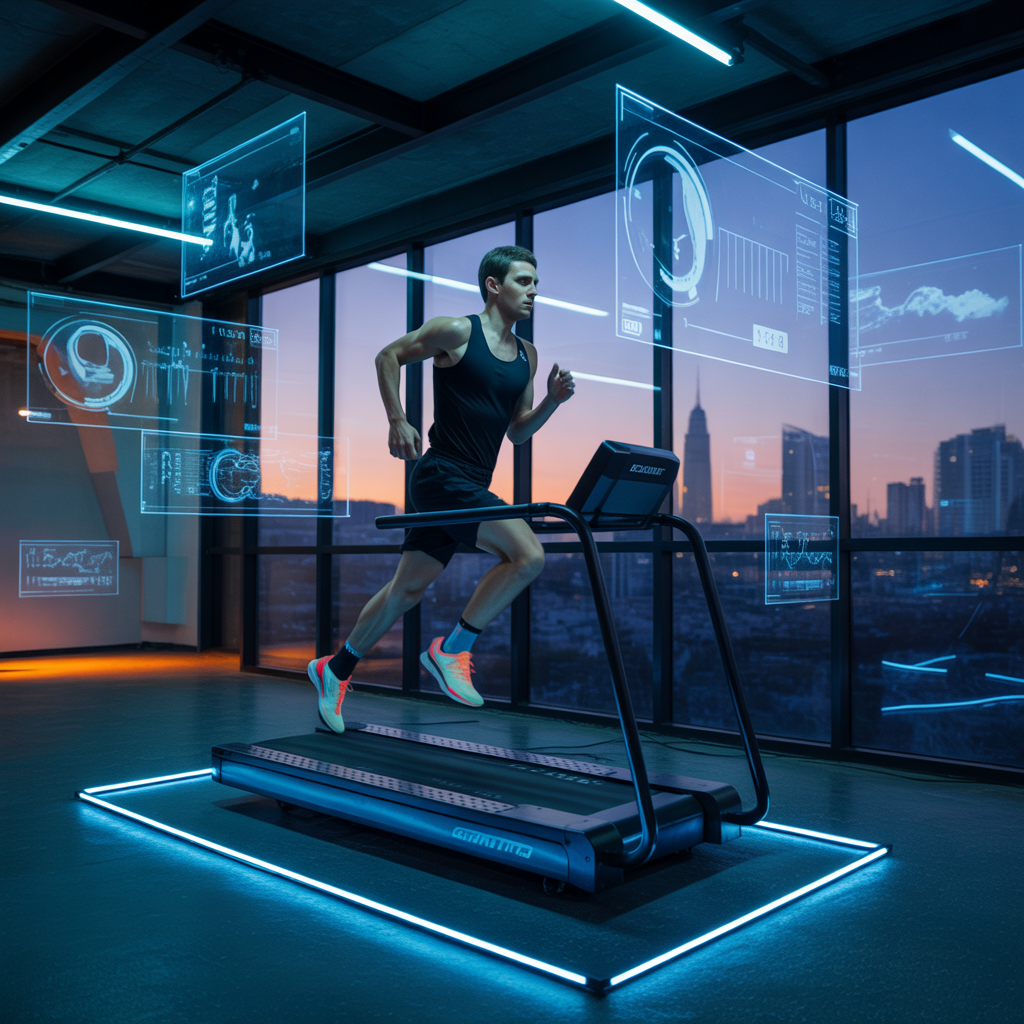
THE SILENT REVOLUTION OF SPEED HOW ARTIFICIAL INTELLIGENCE AND WEARABLE TECHNOLOGY ARE REDEFINING THE ELITE ATHLETE IN 2026
As the global sporting calendar enters the heart of 2026 the traditional image of the lone athlete pushing against the limits of bone and muscle has been fundamentally altered by a digital uprising. In the modern arena where championships are decided by fractions of a second or millimeters of movement the competitive edge is no longer found solely in the weight room or on the training track. Instead it is being forged in the unseen world of real time data streams artificial intelligence and advanced biosensors that turn the human body into a high precision instrument. This transformation marks the beginning of what experts call the post human era of sports where the integration of technology and biological potential creates a standard of performance previously thought impossible.
At the core of this evolution is the explosion of wearable technology which has moved far beyond simple step counts and heart rate monitoring. The elite competitors of 2026 are equipped with skin patches and sub dermal sensors that track everything from blood glucose levels and lactic acid buildup to internal core temperature and muscular fatigue in real time. These devices allow coaching staffs to monitor the physiological state of an athlete with the same precision that a Formula One engineer monitors a racing engine. By analyzing the chemistry of sweat and the subtle variations in heart rhythm AI driven platforms can now predict an injury before it occurs alerting trainers to micro tears in muscle tissue or signs of systemic overtraining that are invisible to the naked eye.
The impact of these advancements is perhaps most visible in the world of endurance racing and long distance competition. In the lead up to the 94th 24 Hours of Le Mans and the various continental marathons the narrative has shifted from simple grit to optimized efficiency. Athletes are now utilizing digital twins virtual replicas of their own bodies that simulate various race conditions and nutritional strategies. By running thousands of simulations through these digital models teams can determine the exact moment a runner should accelerate or when a driver needs to adjust their braking pressure to conserve energy and hardware. This predictive capability has turned sporting strategy into a high stakes game of algorithmic chess where the winner is often the one with the most sophisticated data processing.
However this reliance on technology has sparked a fierce debate within the international sporting community regarding the soul of competition. Critics argue that the heavy integration of AI and real time feedback risks turning athletes into biological robots who simply follow the instructions of a computer program. There is a growing concern that the elements of intuition risk taking and the sheer unpredictability of human emotion are being engineered out of the game. When a marathon runner knows exactly how many grams of carbohydrates they need at any given kilometer or a tennis player receives AI generated tactical adjustments during a changeover the traditional beauty of the struggle is put into question.
Despite these philosophical concerns the benefits to athlete safety and career longevity are undeniable. The 2026 Global Sports Industry Outlook suggests that the democratization of AI tools is allowing smaller programs and independent athletes to compete with well funded giants. By using computer vision and machine learning to analyze game film and movement patterns even local clubs can now access the kind of scouting and tactical insights that were once reserved for the worlds wealthiest franchises. This has led to a more competitive global landscape where talent from underrepresented regions can be identified and developed with greater accuracy than ever before. The sensors that protect a multimillion dollar quarterback are now being adapted for youth leagues ensuring that the next generation of players can enjoy a safer entry into high contact sports.
The role of the fan has also been transformed by this data revolution. Modern broadcasts now feature layers of augmented reality that provide viewers with an unprecedented level of insight into the physical demands of the game. During a live soccer match or a cycling tour spectators can see the real time heart rate of a player as they prepare for a penalty kick or the wattage output of a sprinter in a final dash. This level of transparency has created a new kind of engagement where fans are not just watching a spectacle but are gaining a technical understanding of the immense strain placed on the human frame. It has bridged the gap between the grandstands and the field of play making the superhuman feats of elite athletes feel both more impressive and more quantifiable.
As we look toward the final quarters of 2026 the intersection of sports and technology shows no signs of slowing down. The next frontier involves the use of generative AI to create personalized training environments through virtual reality where athletes can practice against digital versions of their opponents in hyper realistic settings. A basketball player can spend hours shooting over a virtual defender who mimics the wingspan and defensive habits of their upcoming rival while a skier can navigate a pixel perfect reconstruction of an Olympic course before they ever set foot on the mountain. These tools are shrinking the margin for error and raising the floor of what constitutes elite performance.
Ultimately the story of sports in 2026 is one of harmonious yet complex coexistence. While the tools of the trade have changed the fundamental drive to be faster higher and stronger remains the primary motivator. Technology is not replacing the athlete but is instead acting as a powerful lens that brings their hidden potential into focus. As the line between the physical and the digital continues to blur the sporting world must navigate the ethical challenges of this new reality while embracing the incredible possibilities it offers. The record books are being rewritten not just by the strength of the arm or the speed of the leg but by the intelligence of the systems that support them. In this new era every heartbeat is a data point and every movement is a step toward a future where the limits of the human body are constantly being redefined.