For many people, 24 hours offline is not a dramatic cure, but it can reveal how deeply platforms have shaped attention, emotion, memory and the need for connection.
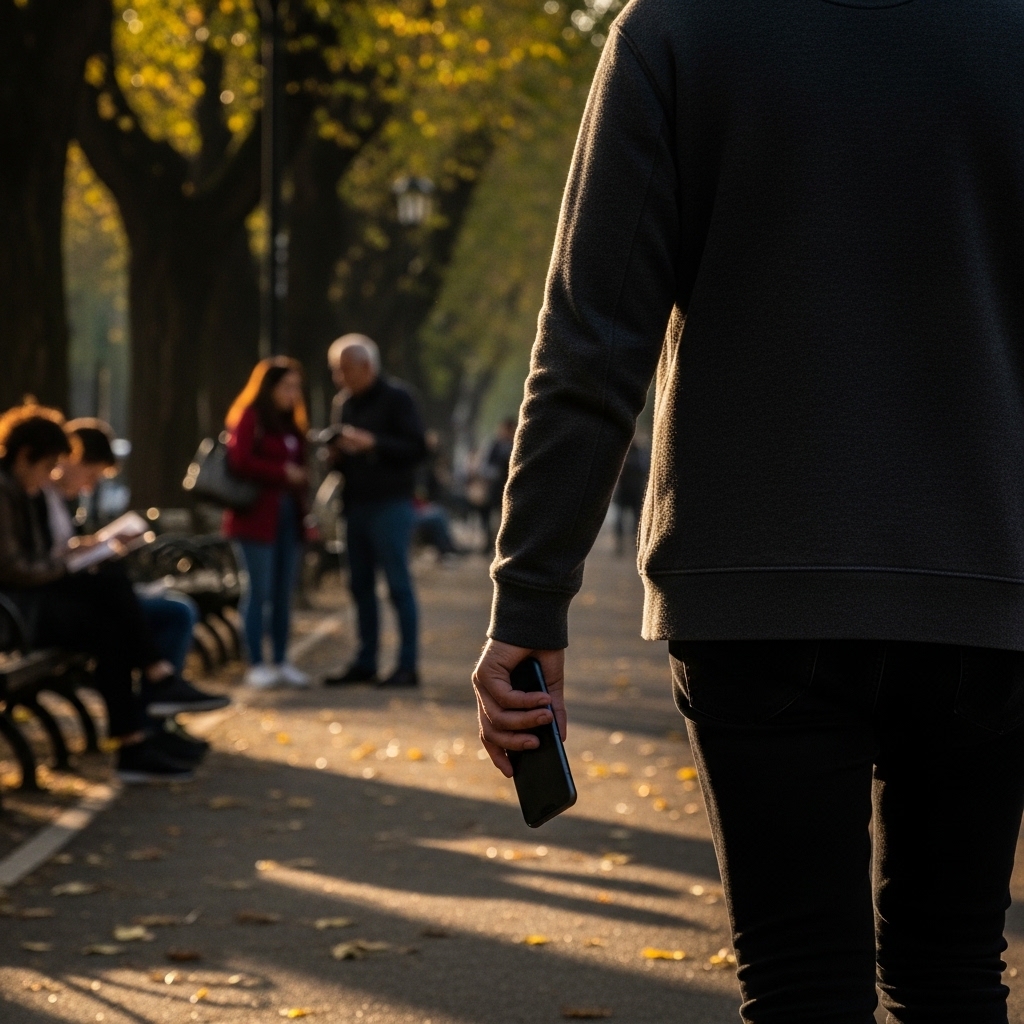
The first hour without social media can feel strangely loud. Not because the room has changed, but because the mind has lost one of its most familiar escape routes. A hand reaches for a phone during breakfast, at a traffic light, between emails, in an elevator, before sleep. The gesture is often automatic. The screen lights up, but the app is gone, logged out or deliberately ignored. For a moment, there is nothing to check.
That silence is the beginning of the experiment.
A day without social media may sound simple. It is only 24 hours away from feeds, stories, short videos, comments, likes, shares and notifications. But for millions of people, those platforms have become stitched into the smallest gaps of daily life. They are newsstands, diaries, shopping malls, entertainment channels, political arenas, friendship networks and mirrors of self-worth. Removing them for one day does not remove the modern world. It removes a powerful rhythm that has trained the brain to expect constant stimulation.
The first noticeable change is often not peace, but restlessness. Many users report a sense that something is missing. This is not necessarily addiction in a clinical sense, though some patterns of use can become compulsive. It is the result of habit loops. Social platforms offer unpredictable rewards: a message, a joke, a compliment, a scandal, a beautiful image, a new argument, a notification that confirms someone noticed you. Because the reward is uncertain, the urge to check can become stronger. The next swipe might contain something important.
Without that loop, the mind can feel underfed. Waiting in line becomes waiting again. Eating alone becomes eating alone. Walking down the street no longer includes the option of disappearing into an endless stream of other people’s lives. The brain, accustomed to quick novelty, may protest. Boredom arrives early.
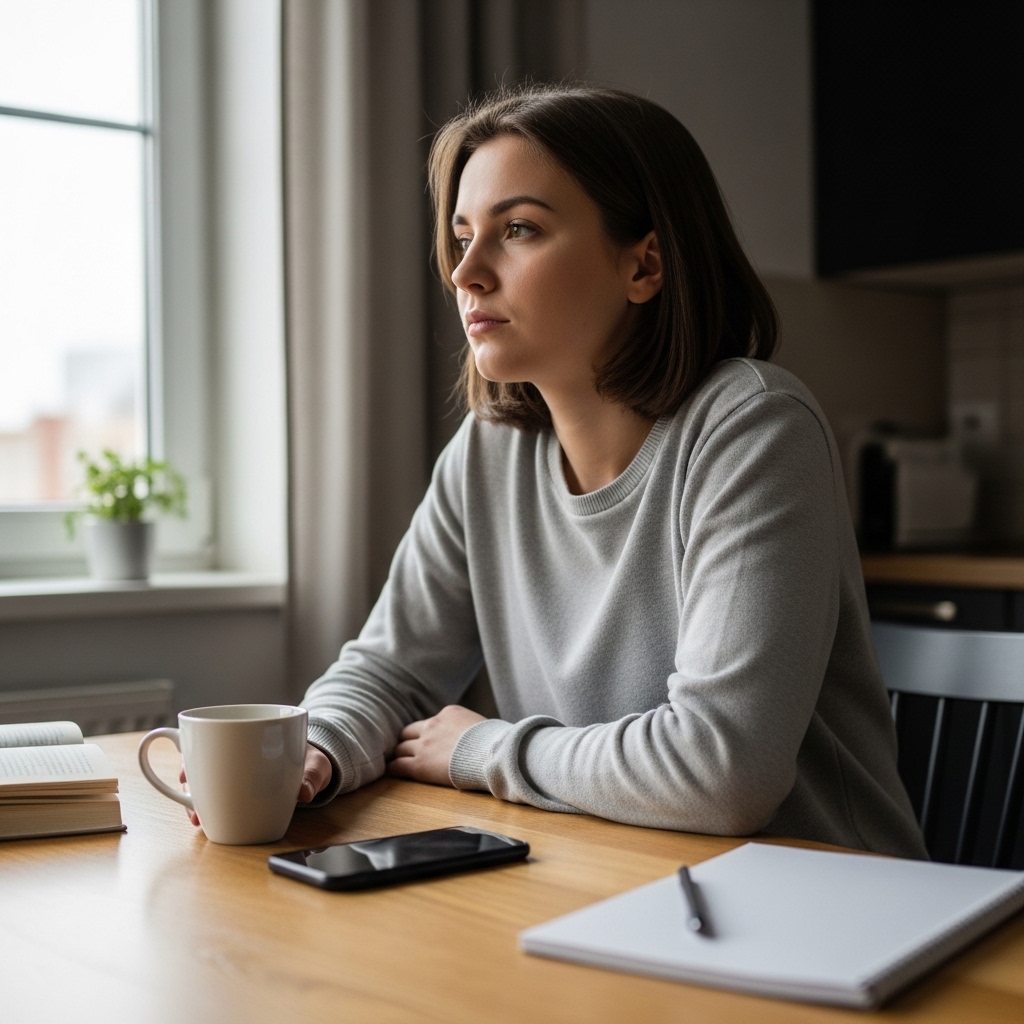
But boredom is not only emptiness. It is also a mental signal. It tells the brain that the environment is not providing immediate stimulation and invites it to search, imagine, remember or plan. Before smartphones, many such moments passed unnoticed. People stared out windows, watched strangers, replayed conversations, worried, daydreamed or made plans. Social media has not destroyed these states, but it has made them easier to avoid.
After several hours offline, some people begin to notice how often they use social media to regulate emotion. A frustrating message from a colleague leads to scrolling. A lonely evening leads to scrolling. A difficult task leads to scrolling. Even happiness can lead to posting, checking and waiting for reaction. The platforms become emotional switches, used to soften discomfort, extend pleasure or escape uncertainty.
A day away can make those emotional habits visible. Without the app, anxiety may rise briefly. The user may wonder whether friends are messaging, whether news has broken, whether a joke is circulating without them, whether they are becoming socially invisible. This fear of missing out is one of the most powerful forces in digital life. It is not only fear of missing information. It is fear of missing belonging.
Yet the same absence can also reduce comparison. Social feeds often compress hundreds of lives into a few minutes: vacations, promotions, engagements, bodies, meals, achievements, grief, outrage and luxury. Even when users know these posts are edited fragments, the mind may still compare. A person who began the morning feeling ordinary can end it feeling behind. A day without social media removes that stream of comparison, at least temporarily. For some, mood improves simply because the mind is no longer measuring itself against curated evidence of other people’s success.
Attention may also begin to shift. Social media is designed for movement: scroll, tap, skip, react, refresh. Short-form video and algorithmic feeds can train the mind to expect rapid transitions. A book, a long article, a conversation or a quiet meal may feel slow by comparison. During a 24-hour break, focus does not magically return. But the conditions for focus improve. Fewer alerts interrupt working memory. Fewer emotional triggers pull thought in different directions. The brain has more room to stay with one thing.
This can feel uncomfortable at first. Deep attention requires effort, and many people discover that their distraction is not caused only by apps. Work stress, poor sleep, family responsibilities and anxiety remain. Social media may have been a symptom as well as a cause. A day offline can reveal what the scrolling was covering.
Sleep is another area where the effects can appear quickly. The most immediate benefit may come not from the absence of social media itself, but from what replaces it. If a person stops checking feeds in bed, avoids late-night arguments, reduces blue-light exposure and does not fall into an endless video loop, sleep may come more easily. The mind has fewer social comparisons to process and fewer emotional shocks before rest. But if the person replaces social media with streaming, gaming or work emails, the benefit may be smaller.
The social effects are more complicated. Social media is not only harmful noise. For many people, it is a lifeline. It connects migrants with families, patients with support groups, activists with communities, artists with audiences and isolated teenagers with peers who understand them. A day without social media may feel freeing for one person and lonely for another. The effect depends on what the platforms were providing.
This is why experts increasingly avoid simple claims that social media is either good or bad. The same app can help one user find friendship and push another into comparison and anxiety. The same feed can educate, entertain, radicalize, comfort or exhaust. Design matters. Content matters. Age matters. Personality, mental health, family support and offline relationships all matter.
Still, a one-day break can reveal whether use is intentional or automatic. The most important question may not be “Do I use social media?” but “Who is choosing when I use it?” If the answer is mostly notifications, boredom, habit or emotional discomfort, the platform has gained control over attention. If the user chooses a specific reason — to message a friend, promote work, learn something, follow an event — the relationship becomes less passive.
By late afternoon, many people notice time expanding. The minutes once spent scrolling do not always become productive. They may become awkward, quiet or inefficient. But they are available again. A person may cook without filming the meal, exercise without tracking audience reaction, meet a friend without checking updates, or read news from a direct source rather than through outrage-driven fragments. The day may feel less performative.
There can also be a subtle shift in memory. When people experience events through the expectation of posting, they may frame life for an audience as it happens. A sunset becomes a potential story. A meal becomes an image. A thought becomes a caption. Without social media, experience can become less documented but more private. That privacy can feel unfamiliar. It can also feel like relief.
For teenagers and young adults, the stakes can be especially high. Social media often carries peer approval, identity formation and social ranking into every hour of the day. A one-day break may reduce pressure, but it can also create fear of exclusion if friends continue interacting online. For younger users, adults cannot simply demand disconnection without understanding the social world that platforms host. Guidance, boundaries and digital literacy are more useful than punishment alone.
For adults, the problem often appears as fragmentation. Social media slips between professional tasks, family moments and rest. It turns a spare minute into a small emotional gamble. It can make the mind feel informed but not grounded, connected but not nourished, busy but not fulfilled. A day without it can expose the difference between stimulation and satisfaction.
The lesson of 24 hours offline is not that everyone should abandon social media. The platforms are now part of public life, culture, business and relationships. The lesson is that the mind needs intervals without being watched, measured, compared or algorithmically redirected. Attention is not just a productivity tool. It is the foundation of memory, empathy, judgment and peace.
By the end of the day, the phone may still be there, and the world may not have changed. Messages will wait. Trends will move on. Some news will matter; much will not. The user may return to social media the next morning, but perhaps differently — with fewer notifications, a time limit, a clearer purpose or a new awareness of the urge to scroll.
A day without social media does not reset the brain. But it can uncover the hidden contract many people have signed with their devices: attention in exchange for stimulation, privacy in exchange for participation, calm in exchange for connection. For one day, the contract is paused. What appears in its place may be boredom, loneliness, focus, relief or all of them at once. That is the point. The mind, finally, has a chance to speak without being interrupted.