
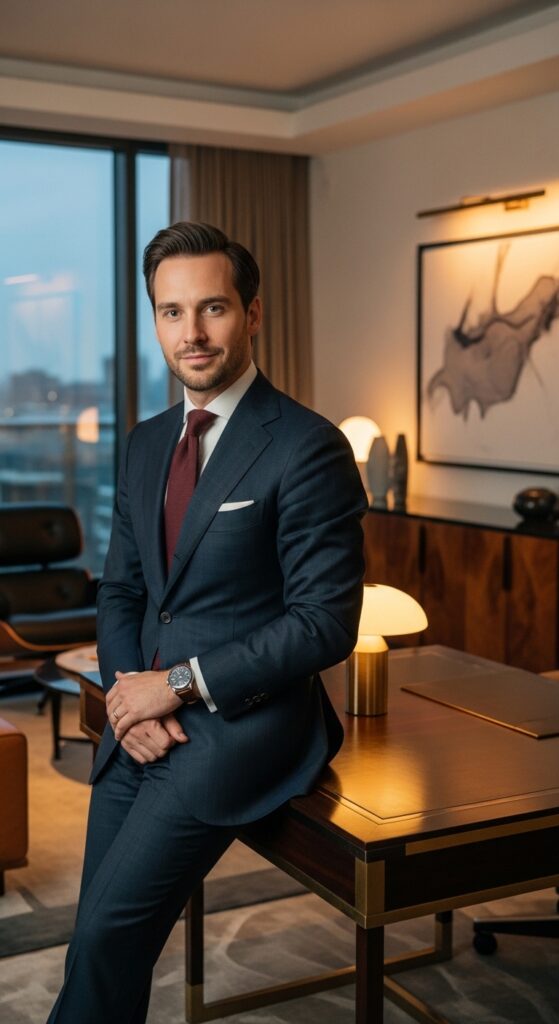
In contemporary society, the idea of a luxurious and sophisticated lifestyle often attracts admiration, curiosity, and aspiration. For many people, luxury represents success, comfort, and beauty. It is associated with grand homes, fine clothing, exclusive experiences, and a polished image of life. Yet true luxury, especially when combined with sophistication, goes far beyond wealth or visible extravagance. A genuinely luxurious and refined lifestyle is not simply about spending more. It is about living with taste, intention, quality, and grace.
The concept of luxury has changed over time. In the past, luxury was often measured by material abundance alone. The larger the mansion, the rarer the jewelry, and the more expensive the possessions, the more luxurious a person’s life appeared. Today, however, many people are beginning to understand that authentic elegance cannot be reduced to price tags. A refined life is not created only through expensive objects, but through thoughtful choices, cultivated habits, emotional intelligence, and a deep appreciation for quality over excess. In this sense, sophistication is what gives luxury its depth. Without refinement, luxury may look impressive, but it can easily become shallow display.
At the heart of a luxurious and sophisticated lifestyle lies the pursuit of quality. People who live elegantly often value craftsmanship, durability, and meaning rather than random accumulation. They do not necessarily fill their lives with countless possessions. Instead, they choose carefully. A well-tailored coat, a timeless watch, a beautifully designed home, or a carefully prepared meal may bring more satisfaction than owning many fashionable but temporary items. Sophistication teaches selectiveness. It is not a love of quantity, but a respect for excellence.
This attention to quality often shapes the physical environment in which a person lives. A refined home is not simply expensive; it is harmonious. The furniture is chosen with care. Colors, textures, and lighting create a sense of balance. The space feels calm, welcoming, and intentional. Luxury in this context is not noise, but quiet beauty. It may be expressed through fresh flowers on a table, high-quality linens, elegant architecture, or art that reflects personal taste. The home becomes not just a place of residence, but a reflection of inner values. It speaks of order, serenity, and cultivated sensibility.
Fashion is another visible dimension of a luxurious lifestyle, yet sophistication again makes the difference between appearance and substance. True elegance in dress is not about wearing the most expensive or attention-seeking items. It is about understanding proportion, simplicity, and personal style. A refined person often dresses in a way that is polished without being excessive, graceful without being theatrical. Neutral tones, classic silhouettes, fine materials, and subtle details often communicate more sophistication than overt displays of branding or trend obsession. In fashion, as in life, elegance often whispers rather than shouts.
However, a luxurious and sophisticated lifestyle is not defined only by external beauty. It also includes manners, behavior, and emotional presence. Refinement is often revealed in how people speak, listen, and carry themselves. A sophisticated person is usually calm, respectful, and self-aware. They understand social etiquette, but they do not use it to appear superior. Instead, they create comfort and dignity in their interactions with others. Graceful behavior, thoughtful conversation, and quiet confidence are among the most powerful expressions of refinement. In many situations, these qualities leave a deeper impression than material wealth ever could.
This is because sophistication is closely linked to self-discipline. A refined life is rarely accidental. It is built through habits of care and intentionality. The way one organizes a home, prepares for a meeting, hosts a dinner, chooses words, or manages emotions all reflect discipline. Luxury without discipline may result in indulgence, but luxury with discipline creates elegance. A sophisticated person knows that beauty is sustained through consistency, not impulse. They value punctuality, cleanliness, composure, and attention to detail because these qualities contribute to a life of harmony and respect.
Time itself can also become a form of luxury. In the modern world, many people live in constant haste. Their schedules are crowded, their attention is fragmented, and their days are consumed by urgency. Against this background, the ability to slow down becomes deeply luxurious. A refined lifestyle often includes time for reflection, leisure, and presence. This may take the form of a quiet breakfast without hurry, an afternoon spent reading, a walk in a beautiful place, or an evening meal enjoyed slowly in good company. Such moments are not signs of laziness. They are expressions of a life that values depth over speed and quality over chaos.
Food and dining provide another important example of how luxury and sophistication intersect. A refined relationship with food is not based merely on expensive ingredients or prestigious restaurants. It involves appreciation, atmosphere, and care. A beautifully set table, well-balanced flavors, and mindful conversation can transform a meal into an experience of elegance. Sophisticated dining is less about excess consumption than about sensory appreciation and social grace. It values presentation, moderation, and the pleasure of shared experience. In this sense, a simple but beautifully prepared meal may feel more luxurious than an extravagant feast lacking warmth or intention.
Travel also plays a significant role in many visions of luxurious living. Yet here again, sophistication changes the meaning of luxury. The refined traveler does not merely seek expensive destinations or status symbols. They seek beauty, culture, comfort, and meaningful experience. Luxury in travel may involve staying in an elegant hotel, but it may also involve discovering hidden places, enjoying exceptional service, or immersing oneself in the art, history, and atmosphere of a destination. Sophisticated travel broadens the mind as well as pleases the senses. It is not only about where one goes, but how one experiences the journey.
Education and cultural awareness are essential components of a truly sophisticated lifestyle. Material comfort alone does not create refinement. Sophistication often grows from exposure to literature, music, art, philosophy, history, and diverse perspectives. A cultivated person tends to be curious, informed, and capable of appreciating beauty in many forms. They may enjoy opera, architecture, design, or fine writing, not because such interests appear prestigious, but because they enrich the inner life. Intellectual depth gives substance to elegance. It prevents luxury from becoming empty decoration and turns beauty into a more meaningful experience.
Language and communication, too, reflect refinement. A sophisticated person often speaks with clarity, politeness, and restraint. They know that words carry power and that elegance in speech comes not from complexity, but from precision and grace. They do not dominate conversations unnecessarily or seek constant attention. They listen carefully, respond thoughtfully, and avoid vulgarity when possible. Such communication reveals not only education, but also respect for others. In a world where loudness is often mistaken for confidence, measured and thoughtful speech becomes its own kind of luxury.
At the same time, it is important to recognize that a luxurious and refined lifestyle is not identical to wealth. Wealth can certainly provide access to comfort, beauty, and rare experiences, but sophistication cannot simply be purchased. Some wealthy people live extravagantly without elegance, while some people of moderate means create remarkably refined lives through taste, discipline, and intentionality. A clean and well-arranged home, a graceful way of speaking, a love of books, and an appreciation for beauty are not limited to the rich. In fact, one of the most important truths about refinement is that it often begins with mindset rather than money.
This does not mean that financial resources are irrelevant. Luxury, by definition, often includes access to things beyond necessity. Yet even when wealth is present, sophistication requires restraint. Without restraint, luxury can become vulgar. Excessive display, constant self-promotion, and obsession with status may create the appearance of success, but they rarely produce real elegance. Refinement involves knowing when enough is enough. It values subtlety. It understands that true confidence does not need constant validation. In this way, sophistication protects luxury from becoming mere spectacle.
There is also an ethical dimension to luxurious living that deserves attention. In a world marked by inequality, environmental pressure, and consumer excess, the pursuit of luxury can become morally questionable if it is based entirely on waste, exploitation, or vanity. A more modern and thoughtful understanding of luxury includes responsibility. This may involve supporting ethical brands, valuing sustainability, choosing handmade or durable products, and avoiding unnecessary waste. It may also involve generosity. A truly refined life is rarely selfish. It often includes hospitality, gratitude, and awareness of others. Elegance without humanity is incomplete.
Moreover, emotional balance is an often overlooked sign of sophistication. A refined lifestyle is not only about what surrounds a person, but about the atmosphere they create. Calmness under pressure, kindness in difficult situations, and dignity in moments of discomfort all reveal a deeper form of elegance. Many people can purchase beautiful things, but fewer can cultivate inner composure. This inner quality is what allows luxury to feel serene rather than chaotic. It is the difference between merely looking polished and truly being poised.
In the age of social media, luxury is frequently performed rather than lived. Images of glamorous vacations, designer goods, and curated interiors fill digital platforms, often creating the illusion that luxury is primarily visual. Yet much of this online representation is superficial. It encourages comparison, envy, and a narrow understanding of value. A sophisticated lifestyle, by contrast, is often quieter and less performative. It does not need to be constantly displayed to feel real. In fact, some of the most elegant forms of luxury are private: a peaceful library, a well-composed life routine, a meaningful collection of art, or the ability to enjoy solitude without restlessness.
This private dimension is important because it connects luxury to personal fulfillment rather than public approval. A refined person often develops taste not to impress others, but to create a life that feels beautiful and meaningful from within. They understand that elegance is not a costume worn for society, but a way of engaging with the world. It appears in how they host guests, care for belongings, choose experiences, and treat themselves. It is found in consistency between outer beauty and inner values.
The luxurious and sophisticated lifestyle also reflects a certain philosophy of life. It suggests that life should not be rushed through carelessly or lived in a purely functional way. It proposes that beauty matters, that atmosphere matters, that quality matters, and that daily life deserves attention. Even ordinary activities—drinking tea, reading a book, arranging a room, writing a note—can become more meaningful when approached with care. Sophistication transforms routine into ritual. It reminds us that refinement is not limited to rare occasions, but can become part of everyday living.
Still, this lifestyle should not be idealized as perfection. No life is free from disorder, stress, or difficulty. The goal of refinement is not to eliminate all imperfection, but to respond to life with grace. A sophisticated person may face the same challenges as anyone else, yet they try to maintain dignity, thoughtfulness, and proportion. Elegance is often most visible not in ideal circumstances, but in how a person handles imperfection.
In conclusion, a luxurious and sophisticated lifestyle is far more than a collection of expensive possessions or glamorous experiences. It is a way of living that values quality, beauty, discipline, culture, and emotional grace. It combines external elegance with inner refinement and transforms wealth, when present, into something more meaningful than display. At its best, this lifestyle is not about excess, but about elevation—the elevation of taste, habits, surroundings, and character. It teaches that true luxury is not simply having more, but appreciating better. It is not only about what one owns, but about how one lives.
Ultimately, the most refined form of luxury may be a life lived with intention, self-respect, and quiet beauty. In a noisy and hurried world, such a life offers something rare: not just comfort, but harmony; not just status, but substance; not just appearance, but depth. And that is what makes elegance timeless.
