Electric vehicles (EVs) are no longer a futuristic concept—they are already part of daily life in many cities around the world. From compact urban commuters to high-performance electric SUVs, the variety of EV options is expanding rapidly. But while the technology continues to advance, a key question remains for everyday drivers: are electric cars truly practical for daily use?
The answer is not entirely simple. While EVs offer clear advantages, they also come with limitations that drivers must consider. Understanding both sides is essential for making informed decisions in today’s evolving automotive landscape.
Why Electric Cars Are Gaining Popularity
One of the main reasons electric vehicles are becoming more common is their environmental impact. Unlike traditional gasoline cars, EVs produce zero tailpipe emissions. This makes them an attractive option for individuals looking to reduce their carbon footprint.
In addition, electric cars are generally quieter and smoother to drive. Without the noise and vibration of an internal combustion engine, EVs provide a more comfortable driving experience, especially in urban environments.
Another major factor is cost efficiency over time. While the initial purchase price of an electric vehicle can be higher, the cost of electricity is typically lower than gasoline. Maintenance costs are also reduced because EVs have fewer moving parts and do not require oil changes.
The Reality of Charging Infrastructure
Despite their advantages, one of the biggest concerns for potential EV buyers is charging. Unlike gas stations, which are widely available, charging stations are still developing in many areas.
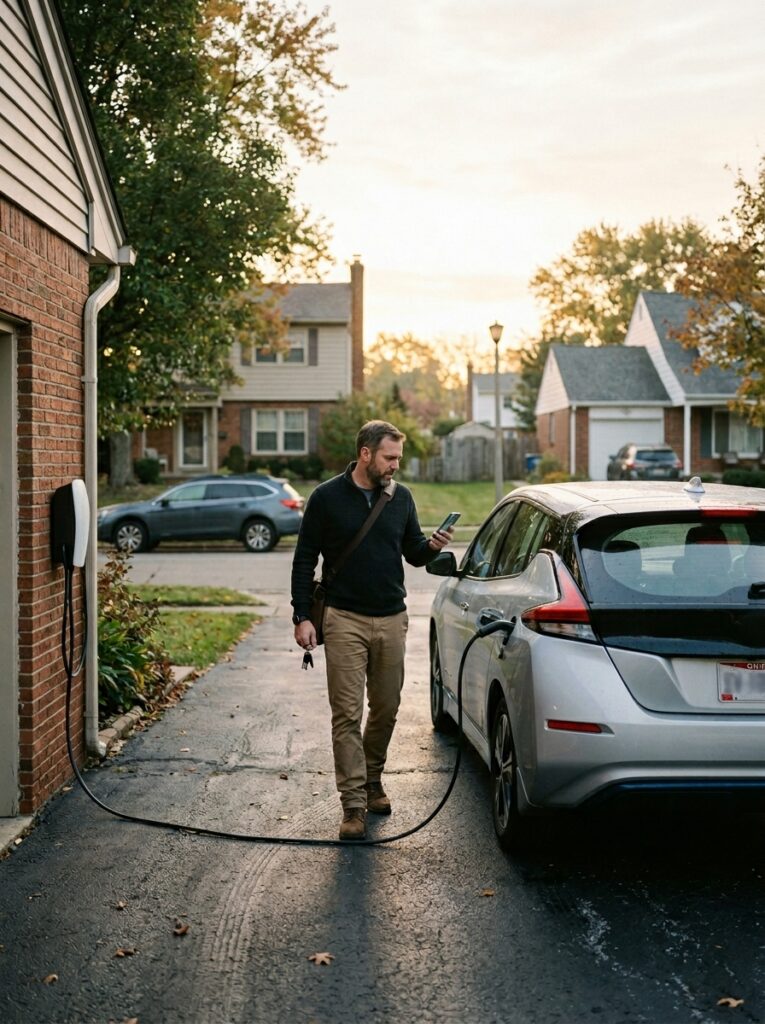
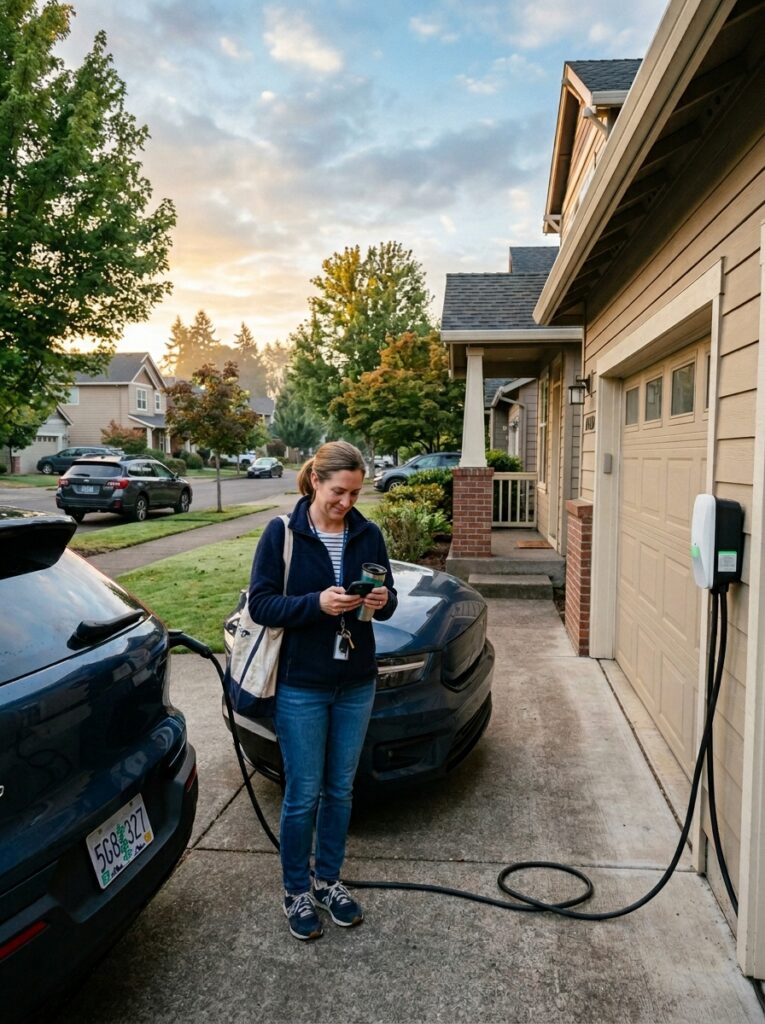
For drivers who live in urban centers or have access to home charging, this may not be a major issue. Charging overnight at home is convenient and often sufficient for daily commuting.
However, for those who rely on public charging stations, availability and waiting times can be challenges. Fast chargers can reduce charging time significantly, but they are not always accessible, especially in rural or less developed regions.
Range anxiety—the fear of running out of battery before reaching a charging station—is still a concern, although newer EV models offer longer driving ranges that reduce this issue.
Daily Driving: Where EVs Excel
For everyday use, electric cars perform particularly well in certain scenarios.
City Driving
EVs are ideal for urban environments. Stop-and-go traffic actually works in their favor, as regenerative braking helps recharge the battery while slowing down.
Short Commutes
For drivers with predictable daily routines, such as commuting to work and running errands, electric vehicles are highly practical. Most modern EVs can easily handle daily distances without requiring frequent charging.
Low Maintenance Needs
Electric cars do not require oil changes, and their braking systems tend to last longer due to regenerative braking. This reduces the time and cost associated with maintenance.
Where Challenges Still Exist
While EVs are improving, they are not perfect for every situation.
Long-Distance Travel
Road trips can be more complicated with an electric vehicle. Planning routes around charging stations and accounting for charging time requires extra effort compared to traditional cars.
Charging Time
Even with fast chargers, charging an EV takes longer than refueling a gasoline car. For drivers used to quick stops at gas stations, this can be an adjustment.
Initial Cost
Although prices are gradually decreasing, electric vehicles still tend to be more expensive upfront. Government incentives can help, but affordability remains a factor for many buyers.
Technology That Enhances the EV Experience
Modern electric vehicles are not just about batteries—they are also packed with advanced technology.
Smart Energy Management
EVs often include systems that help drivers monitor energy usage and optimize efficiency. This allows for better planning and reduces the risk of running out of battery.
Mobile Integration
Many electric cars come with apps that allow users to check battery levels, locate charging stations, and even start charging remotely.
Over-the-Air Updates
Unlike traditional cars, EVs can receive software updates that improve performance, add features, or fix issues without requiring a visit to a service center.
Tips for First-Time EV Owners
For those considering switching to an electric vehicle, a few practical tips can make the transition smoother.
1. Understand Your Driving Needs
Before buying an EV, consider your daily driving habits. If your routine involves short distances, an EV may be ideal.
2. Plan Charging Options
Check whether you can install a home charger or have access to reliable public charging stations nearby.
3. Learn Efficient Driving Techniques
Driving smoothly and using regenerative braking effectively can extend battery range.
4. Stay Informed
Technology is evolving quickly. Staying updated on new models, charging networks, and government policies can help you make better decisions.
The Future of Electric Mobility
The future of electric vehicles looks promising. Automakers are continuously improving battery technology, increasing driving range, and reducing charging times.
Governments are also investing in charging infrastructure and introducing policies to encourage EV adoption. As these developments continue, many of the current limitations are expected to diminish.
In the long term, electric vehicles may become the standard choice for personal transportation. However, the transition will take time, and traditional gasoline and hybrid vehicles will likely remain part of the market for years to come.
Conclusion
Electric cars are no longer just an alternative—they are becoming a practical option for everyday drivers. While they may not yet be perfect for every situation, their advantages in efficiency, comfort, and sustainability make them increasingly appealing.
For drivers willing to adapt to new habits, such as charging instead of refueling, electric vehicles offer a glimpse into the future of mobility. The key is understanding your needs and choosing the option that best fits your lifestyle.