The New Shape of Balance: How Modern Lifestyles Are Being Rebuilt Around Real Life
For a long time, the idea of a “good lifestyle” was often presented as something polished and distant. It looked like a perfect apartment with clean lines, carefully plated breakfasts, a wardrobe in neutral tones, a morning workout, an impressive career, and somehow enough free time left over to read novels before bed. It was visually attractive, but for many people, it also felt impossible. Real life rarely moves with that kind of order. Most people are trying to manage work, household responsibilities, family needs, digital distractions, financial decisions, and personal health all at once. In that reality, lifestyle is no longer about creating an image. It is about building a rhythm that makes daily life more livable.
That shift is one of the most important changes in modern lifestyle culture. People are becoming less interested in performing perfection and more interested in making life feel sustainable. Instead of asking what looks ideal, many are asking what actually works. Can a home support both focus and rest? Can routines be useful without becoming rigid? Can a person do meaningful work without feeling permanently exhausted? Can comfort and ambition exist together? These questions are shaping a more grounded version of modern living, one that values balance not as a trend but as a practical necessity.
One of the clearest signs of this shift can be seen in the way people think about time. In many fast-moving environments, busyness has long been treated like proof of importance. A full calendar, constant notifications, back-to-back meetings, and little downtime were often interpreted as markers of productivity or success. But over time, many people discovered that a crowded schedule does not automatically create a fulfilling life. It can just as easily create fragmentation. A person can complete dozens of tasks in a day and still end it feeling mentally drained, emotionally disconnected, and strangely dissatisfied.
That realization has led many people to redefine what a productive day actually means. Productivity, in a healthier lifestyle model, is no longer just about output. It is also about how a day feels while it is being lived. A day that includes focused work, regular meals, enough quiet, and at least one moment of genuine pause may actually be more valuable than a day packed with activity from morning to night. This does not mean people care less about achievement. It means they increasingly understand that quality of life depends not only on what gets done, but on the condition of the person doing it.
Modern lifestyle choices are also becoming more intentional because people are recognizing how much small habits shape the overall experience of living. Major transformations attract attention, but daily life is mostly built from repetition. The time someone wakes up, the first thing they look at in the morning, the way they move through meals, the condition of their home, how often they step outside, whether they rest properly, how they end their evenings—these details may seem minor in isolation, but together they create the atmosphere of a life.
This is why many people are moving away from dramatic self-improvement plans and toward smaller, more realistic adjustments. Waking up fifteen minutes earlier to avoid starting the day in a rush can make a noticeable difference. Preparing a simple breakfast instead of skipping it can improve concentration and mood. Keeping a table clear, putting laundry away before it becomes a pile, or setting a consistent time to unplug from work can reduce the feeling of chaos more than people expect. These are not glamorous changes, but they are often the most durable.
The home has become especially important in modern lifestyle conversations because it now serves more functions than ever before. For many people, home is not just a place to sleep. It may also be an office, a dining space, a recovery zone, a place for family interaction, and sometimes even a place for exercise or creative work. That means home design is increasingly being shaped by practicality rather than appearance alone. A beautiful room matters less if it does not support the way someone actually lives. People are paying more attention to lighting, storage, flexible furniture, noise control, and spatial clarity because these things directly affect comfort and mental ease.
A well-functioning home does not need to be large or expensive. What matters is whether it reduces friction in daily life. Can you find what you need quickly? Is there enough order to help you focus? Does the space help you rest when you need to? Does it reflect your habits instead of fighting them? Many people are now choosing simpler, more useful living environments over spaces that are designed only to impress. That, too, reflects a broader lifestyle change: the growing preference for authenticity over display.
Consumer habits are evolving in a similar way. The modern marketplace is designed to encourage constant acquisition. New products, new trends, new upgrades, new versions of the “must-have” item appear almost daily. Yet more people are becoming aware that owning more does not always create a better life. In many cases, it creates clutter, financial pressure, and decision fatigue. As a result, lifestyle-conscious consumers are becoming more selective. They are asking whether an item truly improves daily life, whether it lasts, whether it solves a real problem, and whether it fits the pace and values of the household.
This does not mean people have stopped enjoying shopping or aesthetics. It means their relationship to buying is changing. There is more interest in thoughtful purchasing, durable basics, adaptable products, and things that simplify routines instead of complicating them. Lifestyle is increasingly connected to how wisely, rather than how frequently, a person consumes.
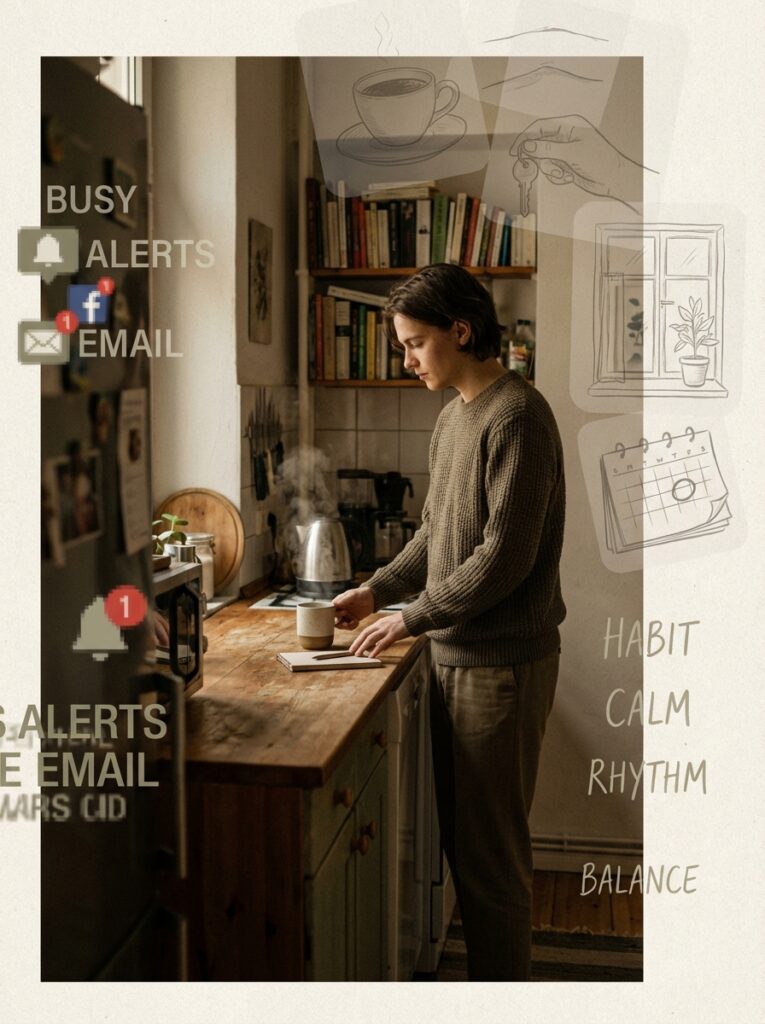
Another important part of modern lifestyle culture is the effort to protect personal space from the constant pressure of work. Digital tools have made work more flexible, but they have also made it harder to leave work behind. Emails arrive at dinner. Messages continue after office hours. The line between productivity and permanent availability has become blurred. In response, many people are trying to rebuild boundaries. They may set rules about not opening work apps late at night, keeping devices out of the bedroom, or preserving part of the weekend as genuine personal time.
These boundaries are not signs of laziness or disengagement. They are acts of maintenance. A sustainable lifestyle requires some space in which a person is not always reacting, answering, or delivering. Without that space, even enjoyable work can become overwhelming. Balance does not happen by accident. In modern life, it usually has to be protected deliberately.
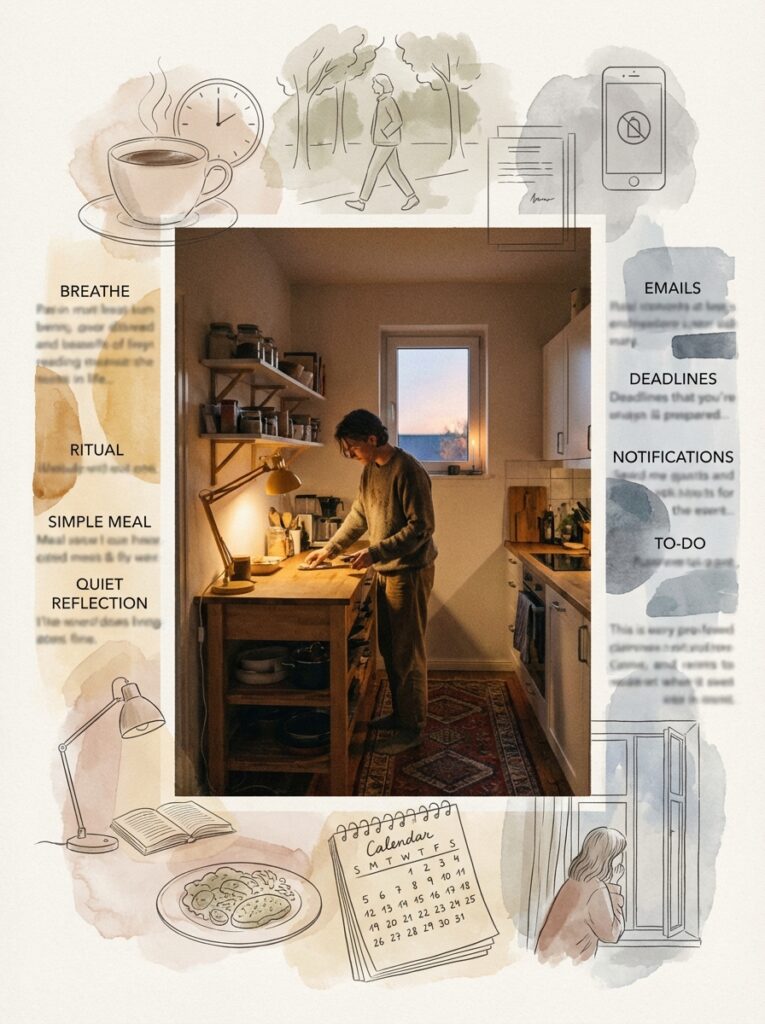
Personal rituals are becoming more meaningful for the same reason. A short walk after lunch, a quiet cup of tea in the evening, reading before bed, watering plants in the morning, or cooking one proper meal during the week may seem ordinary, but rituals provide emotional structure. They signal that life is not made only of demands. They create continuity. In a world where so much feels fast, digital, and interrupt-driven, these simple acts help people return to themselves.
Perhaps the most important change in lifestyle thinking is that more people now accept that balance does not look the same for everyone. A single person living alone in a city center will need a different rhythm from a parent managing children, work, and household logistics. A freelancer may build flexibility into the day differently than someone in a fixed office schedule. A homebody and a highly social person will structure rest differently. A good lifestyle, then, is not a universal template. It is a pattern built around actual needs, actual limits, and actual values.
That may be the healthiest direction modern lifestyle culture can take. Instead of pushing people to imitate an aesthetic ideal, it can encourage them to ask better questions. What kind of routine supports your energy? What makes your home feel calmer? What purchases make life easier rather than noisier? What parts of your day feel unnecessary? What do you need more of—silence, movement, light, order, connection, time alone?
When people begin to answer those questions honestly, lifestyle stops being a surface category and becomes something much more useful. It becomes a way of shaping daily life with intention. Not for appearance, not for performance, but for genuine ease.
Modern lifestyle, at its best, is not about doing everything right. It is about living in a way that leaves enough room for work, rest, relationships, and self-respect to exist together. In a time when so much encourages excess, speed, and comparison, that kind of balance may be one of the most valuable choices a person can make.