
How Quality Sleep Affects Physical and Mental Health
In modern life, sleep is often one of the first things people sacrifice when work becomes demanding, schedules stretch late into the night, or digital devices take up too much evening time. Many have become accustomed to sleeping late, having irregular sleep patterns, or waking up feeling tired—and consider it normal. However, sleep is not just a passive period of rest; it is a vital process that allows the body to recover, regulate biological functions, and support emotional balance. When sleep quality is consistently compromised, its effects can extend into many aspects of daily health.
First and foremost, quality sleep plays a key role in physical recovery. While we sleep, the body does not simply “shut down”—it continues to perform essential functions such as regulating hormones, repairing tissues, organizing information, and maintaining internal balance. This is why after a good night’s sleep, people often feel refreshed, mentally clear, and physically energized. In contrast, poor or insufficient sleep can leave lingering fatigue throughout the day, reducing productivity and affecting overall well-being.
One of the most noticeable effects of poor sleep is reduced concentration. After a night of inadequate rest, many people experience slower thinking, forgetfulness, difficulty focusing, and less flexibility in handling daily tasks. This is especially evident in work that requires sustained attention or quick decision-making. While some may rely on caffeine or stimulants to compensate, these solutions are only temporary. Over time, the quality of rest remains the key factor determining alertness and performance.
Sleep is also closely tied to mental health. When people sleep well, they tend to feel calmer, more emotionally stable, and better able to cope with daily stress. On the other hand, prolonged sleep deprivation can lead to increased irritability, anxiety, and a heightened sense of overwhelm. This impact is common but often overlooked, as many people associate sleep mainly with physical rest rather than emotional regulation.
Another important point is that sleep quality matters just as much as sleep duration. Some individuals may spend enough time in bed but still wake up feeling tired and unrefreshed. This can be due to fragmented sleep, inconsistent sleep schedules, or an unsuitable sleeping environment. Factors such as bright light, noise, uncomfortable room temperature, excessive screen time before bed, or eating too late can all disrupt sleep quality—sometimes without the sleeper fully realizing it.
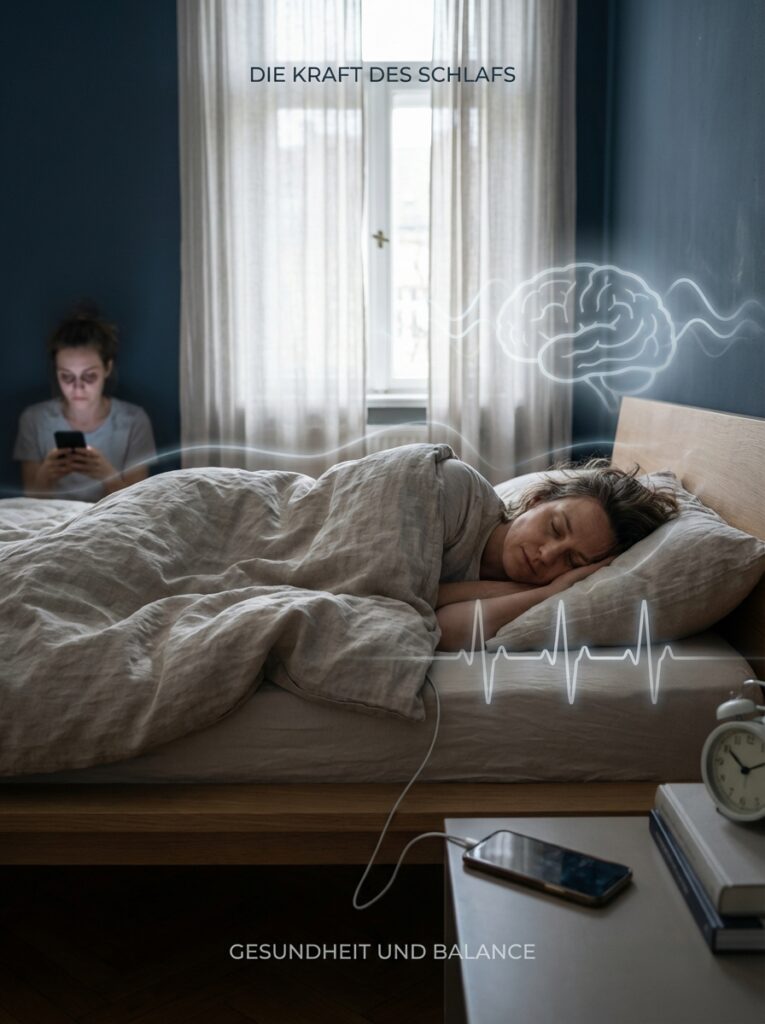
In today’s world, digital devices are a major factor affecting sleep. Many people use their phones, watch videos, read news, or even work right up until bedtime. The issue is not only the extended wake time but also the stimulating effects of screen light and continuous information flow, which can make it harder for the brain to relax. When the mind remains active with content, discussions, or emotional reactions from social media, falling asleep naturally becomes more difficult. This is why reducing screen exposure before bedtime is often recommended as part of a healthy routine.
Daytime habits also have a direct impact on nighttime sleep. Consuming too much caffeine late in the day, taking long naps in the afternoon, lack of physical activity, or working continuously without breaks can all disrupt the body’s natural rhythm. In contrast, individuals with relatively stable daily routines, exposure to natural light, regular movement, and time to unwind before bed often maintain better sleep quality. This highlights that sleep is not just an evening issue—it is connected to the entire daily lifestyle.
Quality sleep also plays an important role in maintaining overall balance. When well-rested, people tend to make healthier choices throughout the day. They are more likely to eat properly, rely less on temporary energy fixes, and feel more motivated to stay active and productive. Conversely, lack of sleep can trigger a chain of negative habits such as irregular eating, low energy, reduced motivation, and poor focus. In this way, sleep influences not only health directly but also indirectly shapes daily behaviors.
Many people try to “catch up” on sleep during weekends. While this may help reduce short-term fatigue, it does not fully replace the benefits of a consistent sleep schedule. The human body functions best with a stable biological rhythm. Large shifts in sleep timing between weekdays and weekends can make it harder for the body to adjust, leading to grogginess or difficulty returning to a regular routine. Maintaining consistent sleep and wake times is generally more effective than relying on occasional recovery sleep.
Improving sleep does not always require drastic changes. Simple steps—such as creating a quieter sleep environment, reducing light before bedtime, avoiding work in bed, limiting late meals, practicing relaxation, or going to bed at a consistent time—can make a meaningful difference. Most importantly, sleep should be viewed as a fundamental health need, not as something optional that can be sacrificed when life gets busy.
In a society that values productivity and speed, sleep is sometimes misunderstood as a sign of slowing down. In reality, proper rest is what allows people to sustain energy, work effectively, and connect with others over the long term. A good night’s sleep may not solve every problem immediately, but it provides a crucial foundation for both physical and mental stability. Recognizing its value helps people understand that caring for sleep is not a luxury—it is an essential part of maintaining overall health.