How Is Modern Cinema Changing Audience Entertainment Habits?
Cinema has long been an essential part of entertainment, but the way audiences watch and interact with films has been changing rapidly in recent years. In the past, watching movies was often tied to theaters, TV schedules, or fixed leisure time. Today, however, films have become more flexible, accessible, and integrated into everyday life. This shift is driven not only by technology but also by evolving user needs, habits, and psychological approaches to content consumption.
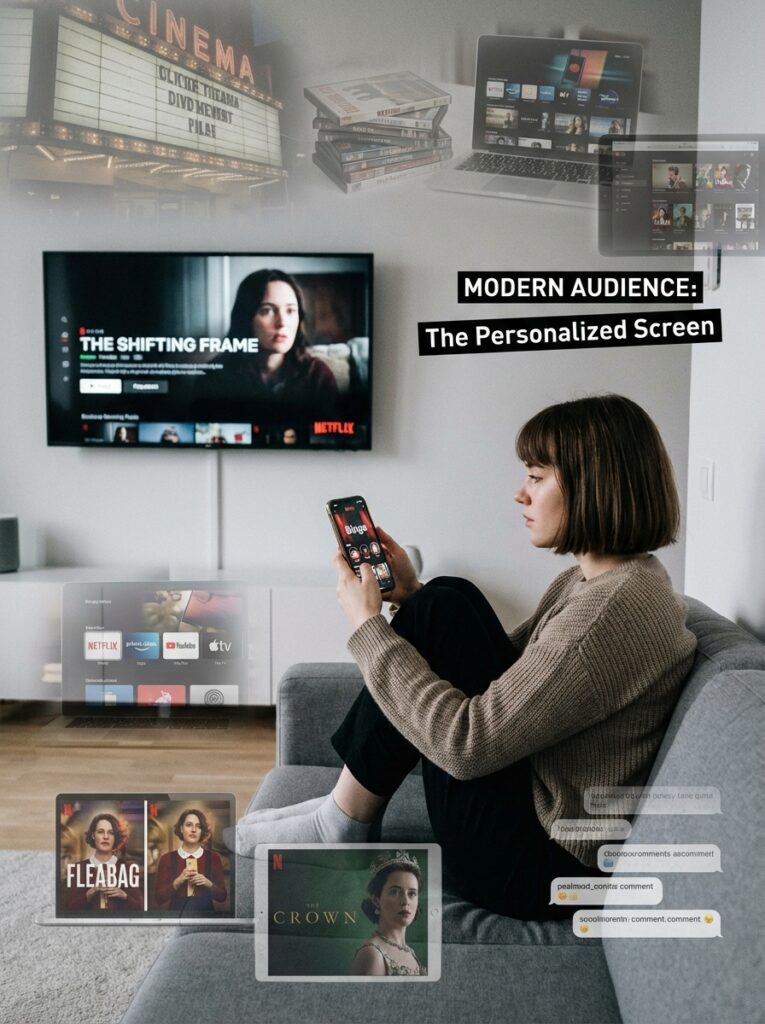
One of the most noticeable changes is the sheer number of choices available to audiences. No longer limited to a few broadcasting channels or forced to wait for releases, viewers can now choose from theatrical films, streaming series, documentaries, short films, behind-the-scenes content, and even analysis or commentary videos. This abundance has transformed movie-watching from a single activity into a multi-touch experience. Audiences don’t just watch films—they follow trailers, read reviews, watch interviews, and share their thoughts with others.
As a result, film consumption is no longer passive. Modern viewers are more proactive in selecting content that matches their mood, time availability, and personal preferences. Some may spend a weekend watching a major blockbuster, while others prefer a short episode in the evening to unwind before sleep. Thanks to diverse platforms, cinema has adapted to the fragmented pace of modern life, where entertainment is often consumed in shorter, more flexible time slots rather than fixed schedules.
Another important shift lies in how audiences evaluate a film’s value. Previously, many viewers focused on production scale, star power, or box office performance. Today, while those factors still matter, audiences increasingly prioritize the emotional impact a film delivers. A movie doesn’t need to be grand to be meaningful—it can resonate deeply if it reflects familiar life experiences, captures authentic emotions, or offers a fresh perspective. This explains why slower-paced, minimalist, or everyday-life-themed films can still attract loyal audiences and leave lasting impressions.
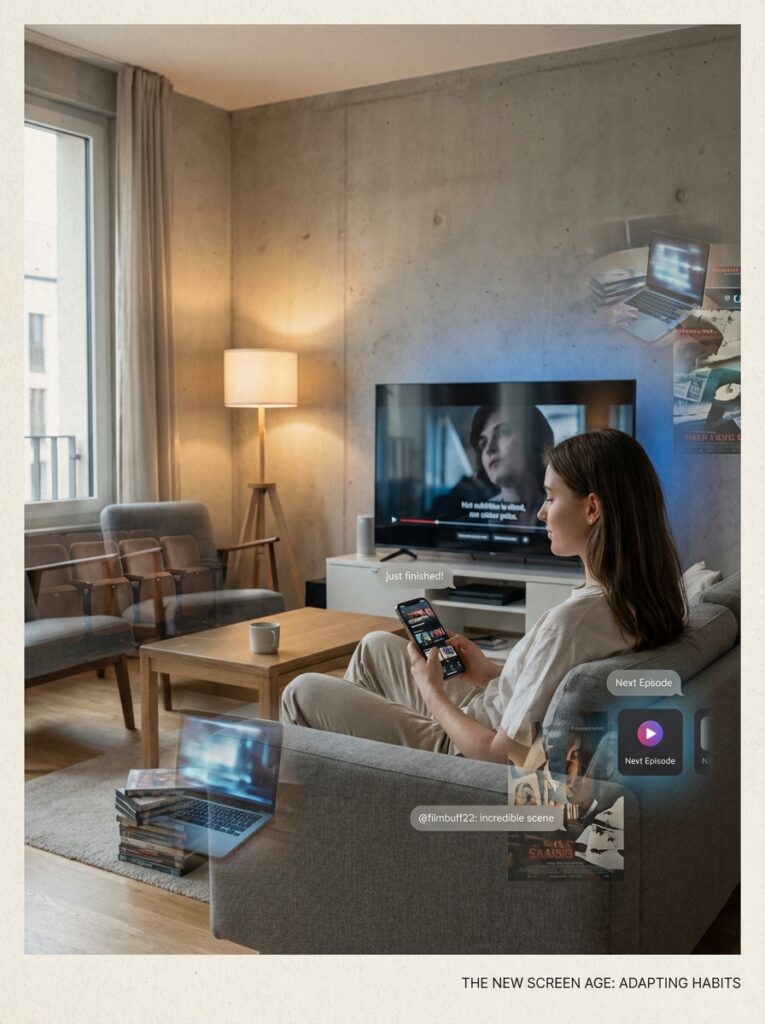
The rise of streaming platforms has also significantly changed viewing habits. Audiences can now watch films at home, on smartphones, tablets, or smart TVs without being tied to a specific location. This flexibility makes cinema more embedded in daily routines. Watching a film is no longer a special event requiring planning—it can be a spontaneous choice during a lunch break, before bedtime, while traveling, or on a relaxing day at home. This convenience has greatly increased both the frequency and variety of film consumption.
At the same time, the culture of “binge-watching” series is reshaping how audiences engage with storytelling. With platforms allowing multiple episodes to be viewed consecutively, viewers can immerse themselves more deeply in a story world. They follow character development, emotional arcs, and relationships across entire seasons rather than focusing on individual episodes. This approach strengthens audience attachment and makes films and series a longer-lasting part of their emotional lives.
Beyond technology, changes in themes and storytelling styles also play a major role. Modern audiences often seek stories that reflect real emotions, relatable conflicts, and familiar social issues such as family, youth, identity, work, and life pressures. While big productions still attract attention, viewers are equally open to smaller, more intimate stories if they are told with sincerity and depth. This shows that audience taste is expanding—not just across genres but also in terms of emotional quality and authenticity.
Another important aspect is the growing role of audience communities. Today, watching a film often goes hand in hand with online discussions, sharing clips, commenting on characters, or debating endings. Cinema is no longer just a private interaction between the viewer and the screen—it has become part of a broader public conversation. Popular films can continue to live on through discussions, memes, reaction videos, and diverse interpretations. This is a major shift from the past, when films were largely consumed in a one-way manner.
Of course, greater accessibility also brings challenges. With so many options, audiences may experience shorter attention spans or struggle to stay patient with films that require time to build depth. The rapid spread of information can also lead to premature judgments based on clips or early reactions. In such an environment, filmmakers must balance immediate appeal with long-term artistic value.
Overall, the evolution of viewing habits shows that cinema still holds a vital place in modern entertainment—just in a more flexible and integrated form. Audiences are not turning away from films; they are simply engaging with them in ways that better fit their lifestyles. They want quality content, accessible at convenient times, on familiar devices, with greater control over how they choose and share their experiences.
Modern cinema, therefore, is not just a continuation of a traditional art form but a testament to the adaptability of popular culture. As technology evolves, so do entertainment habits. Yet the core remains unchanged: people will always need stories to relate to, reflect on, relax with, and connect through. And in today’s fast-moving world, cinema continues to fulfill that role in increasingly diverse ways.