
How Is the Modern Automotive Market Changing Under the Impact of Technology and User Demand?
The automotive industry is undergoing a profound transformation unlike anything seen in decades. In the past, differences between car models were mainly defined by design, engine power, or fuel efficiency. Today, however, the market has entered a new phase where technology, smart connectivity, electrification, and user experience are equally important factors. This shift is not driven solely by manufacturers but is strongly influenced by consumers themselves, who now expect more from a car than just basic transportation.
One of the most prominent trends is the widespread adoption of electrification across nearly all segments. Hybrid vehicles, plug-in hybrids, and fully electric cars are becoming increasingly common, offering customers an unprecedented range of choices. Notably, electrification is no longer viewed as an experimental solution but has become a central strategy for many brands. This signals that the automotive industry is preparing for a new market structure, where electric and electrified vehicles will play a dominant role in future product lineups.
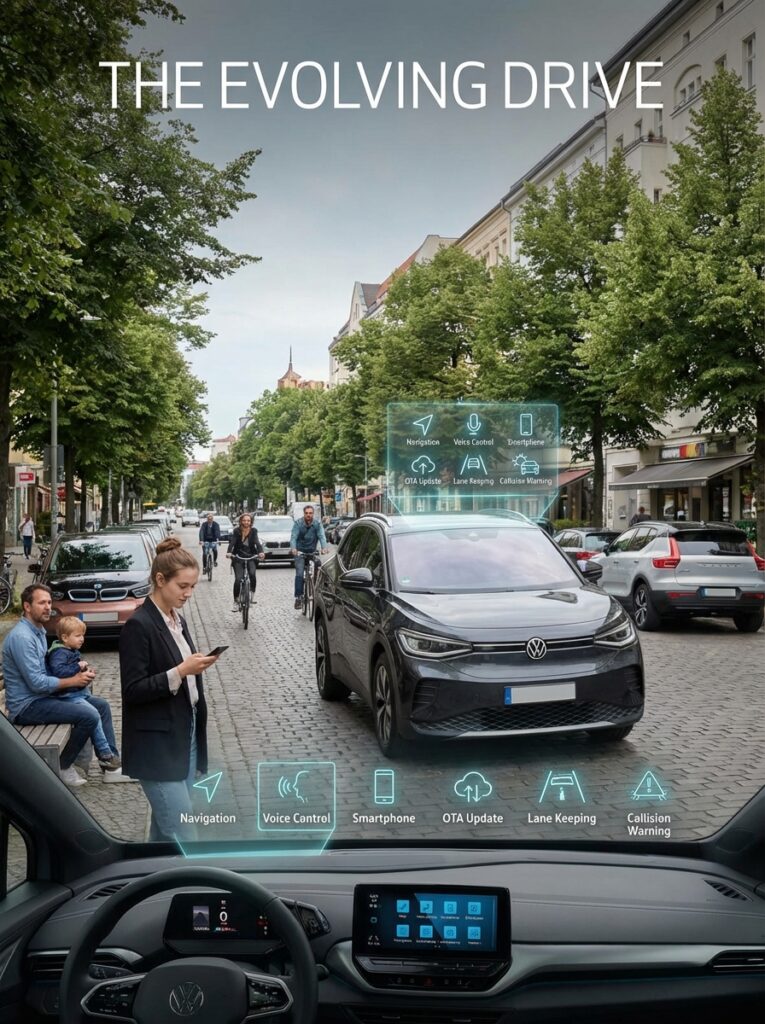
At the same time, consumer behavior in choosing cars is evolving significantly. Instead of focusing primarily on brand reputation or engine size, many buyers now pay closer attention to practical features, onboard technology, safety systems, and connectivity with smartphones or digital platforms. A car with an intuitive interface, clear camera systems, effective voice control, seamless software updates, or a well-designed mobile app can gain a strong competitive advantage. In other words, modern vehicles are increasingly evaluated not just as mechanical machines but as technology products that enhance everyday life.
The development of advanced driver assistance systems clearly reflects this shift. Today’s buyers want vehicles that can better support them in heavy traffic, on long journeys, or when parking in tight spaces. As a result, technologies such as lane-keeping assist, adaptive cruise control, collision warning systems, automatic emergency braking, and 360-degree cameras are becoming widely sought-after features. The market is no longer asking only “how powerful is the car?” but also “how does the car support the driver in daily life?”
Another important change lies in how automakers position their products. In the past, automotive marketing often focused on power, speed, design, or mechanical durability. Today, messaging has expanded to include lifestyle values, sustainability, family comfort, connectivity, and peace of mind. This reflects the reality that car buyers are no longer a single homogeneous group. Instead, the market is becoming more segmented: younger buyers prioritize technology, families focus on safety and space, urban users care about operating costs and maneuverability, while driving enthusiasts value performance and design personality.
The rapid rise of urban SUVs and crossovers also highlights a shift toward more practical user needs. Rather than traditional sedans, many consumers now prefer vehicles with higher driving positions, flexible space, and versatility for both city commuting and weekend trips. This type of vehicle reflects modern lifestyles: not necessarily large, but adaptable and multi-purpose. As a result, automakers are continuously expanding their offerings in this segment, from entry-level to premium models.
Digital technology is also reshaping the ownership experience after purchase. Previously, the relationship between customers and manufacturers was mostly limited to the point of sale and periodic maintenance visits. Today, with connected software, mobile apps, over-the-air updates, and online services, that relationship has become ongoing. Users can receive maintenance alerts, monitor vehicle status, update features, or manage various functions directly from their smartphones. This model introduces a new approach where a car continues to “evolve” after being sold, rather than remaining a fixed product.
Despite these positive developments, the modern automotive market also faces several challenges. The rapid pace of technological innovation makes it difficult for consumers to decide the right time to purchase, as newer models with improved features can appear quickly. At the same time, the growing diversity of technologies, powertrains, and features makes the decision-making process more complex. Consumers must not only consider their budget but also clearly understand their actual needs to avoid following trends that may not suit their real usage.
Another key factor influencing the market is the shift in how people perceive ownership costs. Previously, buyers often focused mainly on the initial purchase price. Now, many are considering the total cost of ownership over several years, including fuel or electricity, maintenance, insurance, resale value, and repair costs. This long-term perspective is driving more comprehensive competition in the market. A car becomes attractive not just because of its affordability upfront, but also because of its overall efficiency and value throughout its lifecycle.
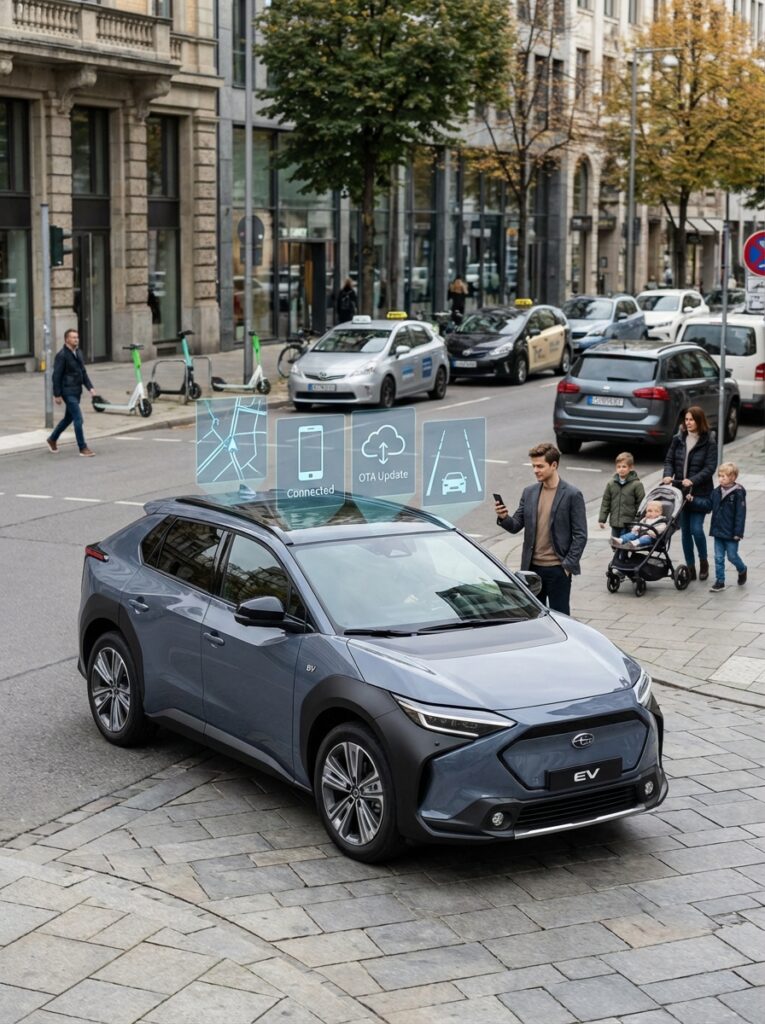
It is clear that the modern automotive market no longer operates under old rules. Technology is redefining the product, while consumers are redefining demand. Between these two forces, manufacturers must adapt faster, become more flexible, and invest more in real-world user experience rather than relying solely on brand image. This is a dynamic transitional period where even small changes in technology or consumer behavior can have significant impacts on the entire industry.
Looking ahead, vehicles are likely to become smarter, cleaner, and more deeply integrated with users’ digital ecosystems. But even now, one thing is certain: the automotive market is no longer just selling transportation. It is selling convenience, peace of mind, connectivity, and a lifestyle experience aligned with modern living. Those who understand this shift—whether manufacturers, dealers, or consumers—will be better positioned to make the right decisions.
