
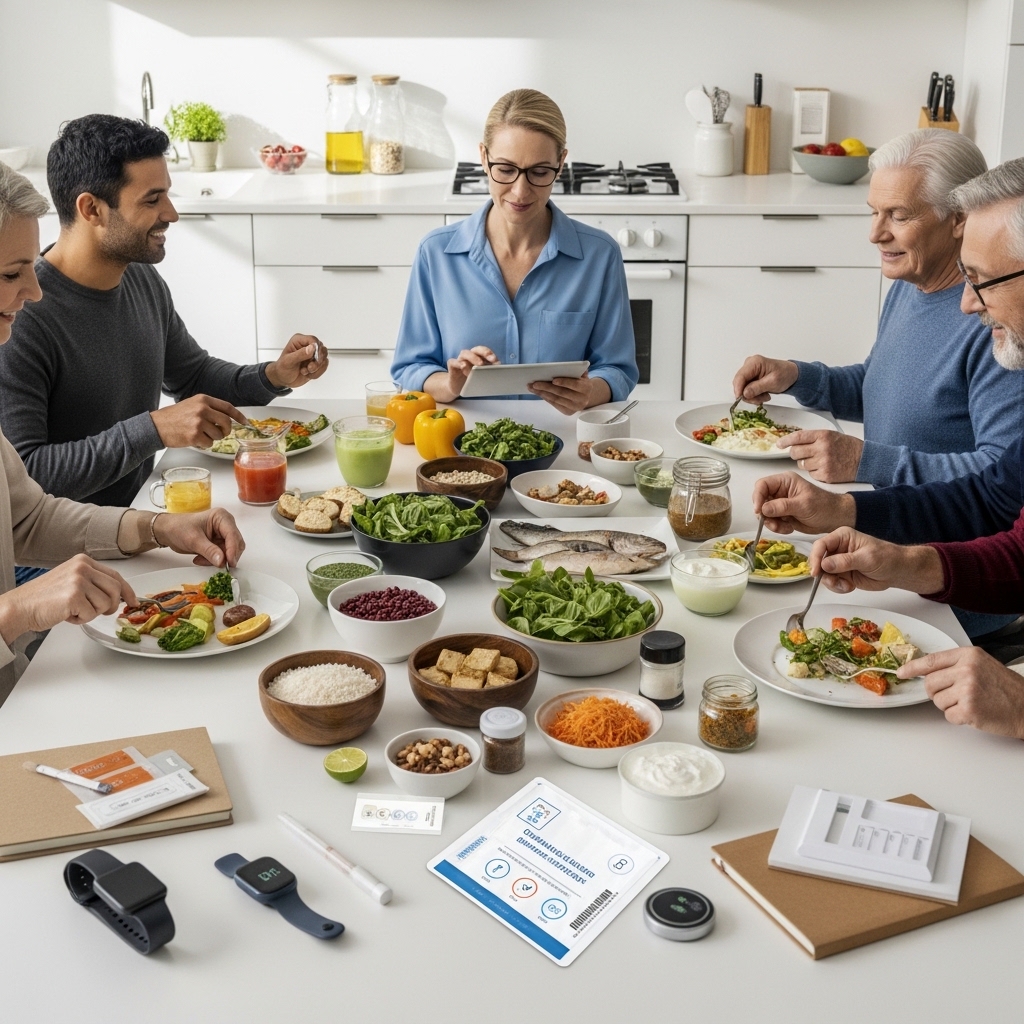
As scientists learn more about genes, gut microbes, metabolism and daily habits, nutrition is moving away from universal advice and toward diets designed around individual biology.
For more than a century, modern nutrition has relied on broad guidance. Eat more vegetables. Limit added sugar. Choose whole grains. Avoid too much salt. Balance calories with activity. These recommendations remain important, and for most people they are still the foundation of a healthy diet. But a growing body of research is making one point increasingly clear: two people can eat the same meal and respond in very different ways.
One person may see a sharp rise in blood sugar after eating rice, while another has only a modest response. Some people feel full for hours after a high-protein breakfast; others become hungry quickly. A diet that helps one person lower cholesterol may do little for another. Coffee may disturb sleep in one person but have little effect on a friend. The future of nutrition is being built around this variability.
Personalized nutrition, sometimes called precision nutrition, aims to answer a question that traditional diet advice could not fully address: what is the best way for this specific person to eat? The answer may depend on genes, age, sex, health history, gut bacteria, sleep, stress, activity, culture, income, medications and even the time of day a meal is eaten. Instead of assuming that one diet fits all, researchers are trying to understand why bodies respond differently and how food choices can be adapted.
The field is gaining momentum because several technologies are converging at once. Genetic testing has become cheaper. Wearable devices can track steps, heart rate, sleep and sometimes glucose patterns. Microbiome testing can identify bacteria living in the gut, although interpretation remains complicated. Smartphone apps can record meals, symptoms and habits. Artificial intelligence can search for patterns across enormous datasets. Together, these tools are beginning to turn daily eating into measurable biological information.
The gut microbiome is one of the most active areas of research. The human intestine contains trillions of microbes that help digest food, produce chemicals, train the immune system and influence inflammation. These microbial communities vary widely from person to person. Diet can shape them, but they also shape how the body responds to diet. This is why scientists are paying close attention to fiber, fermented foods, plant diversity and ultra-processed foods. The old advice to eat more fiber may eventually become more specific: which kinds of fiber, for which person, at which stage of life and for which health goal.
Artificial intelligence is accelerating that work. AI systems can compare food intake, blood tests, microbiome profiles, activity data and health outcomes to predict how someone might respond to a particular diet. In theory, a future nutrition app could tell a person not only whether a meal is generally healthy, but whether it is likely to raise their blood sugar, worsen their digestion, support their training plan or help control blood pressure. The most advanced versions could update recommendations as the person’s body changes.
The United States National Institutes of Health is already investing in this direction through its Nutrition for Precision Health program, a large study connected to the All of Us Research Program. Its goal is to learn how different people respond to food and to develop algorithms that can predict individual dietary responses. The project reflects a broader scientific belief that the next generation of nutrition advice will require much larger and more diverse data than earlier studies provided.
One of the clearest early examples of personalized eating is glucose monitoring. Continuous glucose monitors were developed primarily for people with diabetes, but they are now also used by some people without diabetes who want to understand how meals affect their blood sugar. These devices show that the same food can produce different glucose curves in different people. For patients with diabetes or prediabetes, such information can be medically useful. For healthy consumers, the value is more debated. A glucose spike after a meal is not always a sign of harm, and focusing too narrowly on one number can lead to unnecessary anxiety. Still, the popularity of these devices shows how strongly people want feedback about their own bodies.
Sports nutrition is another area where personalization is advancing quickly. Athletes already adjust diets around training load, recovery, hydration, body composition and competition schedules. New tools may allow more precise recommendations for electrolyte intake, carbohydrate timing, protein distribution and recovery meals. A marathon runner, a football player, a gymnast and an office worker with light activity do not need the same plan. Even within the same sport, two athletes may respond differently to caffeine, creatine, high-fat meals or carbohydrate loading.
Personalized nutrition could also change weight management. Public debate about weight often treats food choices as simple matters of willpower, but biology is more complex. Hunger hormones, sleep patterns, medications, insulin sensitivity, stress, gut microbes and food environments all influence eating behavior and metabolism. A personalized approach may help explain why one person loses weight on a lower-carbohydrate diet while another does better with a higher-fiber, lower-fat pattern. It could also reduce blame by showing that bodies are not identical machines.
For people with chronic diseases, the stakes may be even higher. Diet is central to the prevention and management of type 2 diabetes, cardiovascular disease, kidney disease, hypertension and some digestive disorders. Precision nutrition could help doctors and dietitians identify which patients are most likely to benefit from specific dietary changes. It may also help prevent disease earlier by detecting risk patterns before symptoms appear. A person at higher risk of high blood pressure might receive sodium and potassium guidance tailored to their biology and lifestyle. Someone with inflammatory bowel disease might receive more careful dietary support based on symptoms, microbiome data and medical treatment.
The promise is significant, but the field is not ready to replace basic nutrition advice. Many commercial products are ahead of the science. Some companies offer diet plans based on DNA tests or microbiome samples, but the evidence supporting specific recommendations can be limited. A person may receive a detailed report that looks scientific but offers advice similar to standard healthy eating: eat more plants, reduce processed foods, exercise regularly and sleep better. That advice may be useful, but it is not always truly personalized.
Scientists are also cautious because nutrition research is difficult. People do not eat isolated nutrients; they eat meals, habits and cultures. A food that is healthy in one pattern may be less helpful in another. A recommendation that works in a controlled study may fail when a person faces long work hours, high food prices, family preferences or limited cooking facilities. Personalization must therefore include real life, not only biology. A diet that is genetically ideal but impossible to afford or maintain is not a good diet.
Privacy is another major concern. Personalized nutrition depends on sensitive data: genetic information, medical history, blood markers, digestive patterns, location, purchases and daily behavior. If companies collect this information, consumers need to know how it is stored, shared and sold. Health data can reveal more than eating habits. It can expose disease risks, pregnancy, mental health patterns and family relationships. The more precise nutrition becomes, the more important data protection becomes.
There is also a risk of widening inequality. Wealthier consumers may be able to buy microbiome tests, smart devices, personalized coaching and premium foods, while lower-income families struggle with basic food access. If precision nutrition becomes a luxury service, it could deepen health gaps rather than close them. The public-health challenge is to use personalization not only for affluent early adopters, but also for people facing the highest burden of diet-related disease.
Cultural diversity will matter as well. Many nutrition studies have historically overrepresented certain populations and food patterns. If algorithms are trained mostly on data from wealthy countries or narrow demographic groups, they may perform poorly for others. A personalized diet must understand not only blood markers and gut bacteria, but also rice, beans, noodles, lentils, fish sauce, tortillas, spices, religious traditions, family meals and local food systems. Food is biology, but it is also identity.
The future may not look like one perfect meal plan generated once and followed forever. It is more likely to be dynamic. A person’s nutritional needs change with age, illness, pregnancy, training, sleep, stress, medications and environment. The same person may need different advice during exam season, after surgery, during menopause, while training for a race or while recovering from infection. Personalized nutrition will be most useful if it adapts over time.
Dietitians and doctors are unlikely to be replaced by apps. In fact, they may become more important. More data does not automatically mean better decisions. Someone has to interpret the information, detect errors, consider medical conditions and translate numbers into practical meals. A glucose chart, microbiome report or genetic profile can guide a conversation, but it cannot understand a patient’s budget, family responsibilities or emotional relationship with food in the way a trained professional can.
For ordinary consumers, the message is both exciting and simple. The science of personalized nutrition is advancing, but the basics still matter. Most people benefit from eating more minimally processed plant foods, getting enough protein and fiber, limiting excess sugar and salt, drinking water, sleeping well and moving regularly. The future will refine those principles rather than erase them. Instead of replacing public-health advice, personalization may help explain which parts matter most for each person.
The dinner plate of the future may therefore be less universal and more responsive. It may be shaped by a person’s gut microbes, blood sugar patterns, genetic tendencies, work schedule, culture and goals. But it should not become a source of obsession or a privilege available only to those who can pay for data. The best version of personalized nutrition would make healthy eating more human: more precise, more practical and more respectful of difference.
The age of one-size-fits-all dieting is beginning to fade. What comes next will depend not only on science, but on trust, access and common sense. Food has always been personal. Nutrition is finally beginning to catch up.
“””